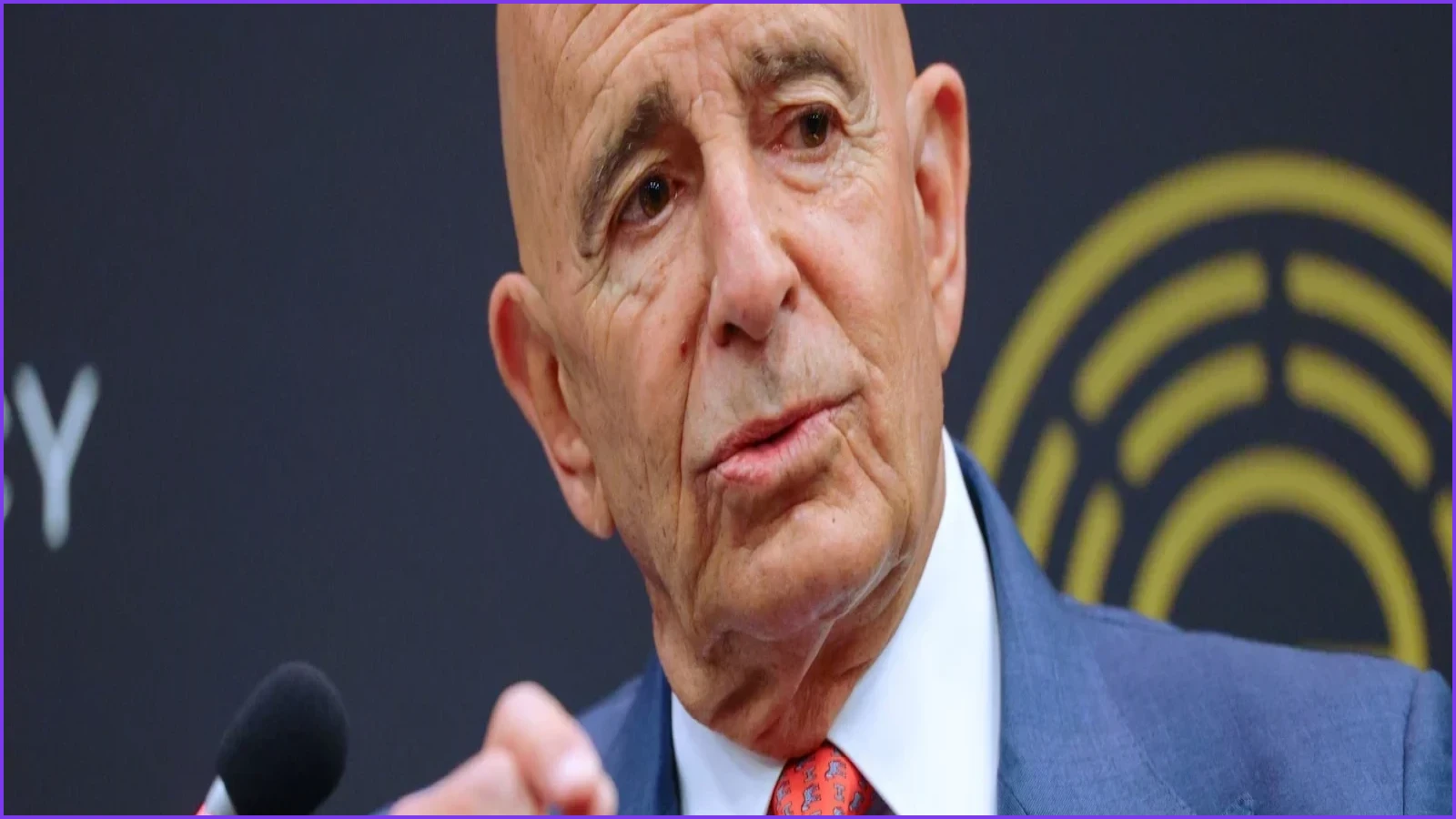
The U.S. special envoy to Syria and ambassador to Turkey, Tom Barrack, has issued a formal clarification regarding comments he made earlier this week that appeared to contradict the official position of President Donald Trump on the Golan Heights. In an interview on Friday with Lebanese-Australian entrepreneur Mario Nawfal, Barrack had stated that Israel “still” occupies the Golan Heights in violation of United Nations resolutions. On Sunday, the ambassador walked back those remarks, characterizing them as a description of the territory’s historical status rather than an endorsement of the United Nations’ position on the matter.
Barrack emphasized that the official stance of the United States regarding the disputed territory has remained consistent since 2019. “United States policy on the Golan was set by President Trump in 2019 and is unchanged,” Barrack stated to The Associated Press on Sunday. The comments had previously drawn criticism from Washington, including Florida Republican Sen. Rick Scott, who noted on X that the ambassador appeared to have “forgotten” the U.S. recognition of Israeli sovereignty over the region. Israel captured the Golan Heights from Syria during the 1967 Mideast war and subsequently annexed the territory in 1981, a move not recognized by the majority of the international community or the United Nations.
During the same Friday interview, Barrack also addressed recent Israeli airstrikes on an airbase in northern Syria, which were intended to prevent Turkey from establishing a presence at the facility. Israeli Defense Minister Israel Katz defended the military action, asserting on X that the strikes were based on “clear intelligence” and intended to protect Israeli security. The events have highlighted heightened tensions between Israel and Turkey following the fall of Bashar Assad, though both Ankara and Damascus have denied allegations that Turkish forces were planning to deploy to the Abu Duhur base.
Furthermore, Barrack defended his assessment of ongoing negotiations between Israel and Lebanon concerning a potential Israeli withdrawal and the disarmament of the militant group Hezbollah. His earlier remark that “there are two people missing from that (negotiating) table – Hezbollah and Iran” led to speculation that he was proposing their inclusion in U.S.-backed talks. Barrack clarified on Sunday that he was merely highlighting the complexity of the situation, noting that the weapons involved are financed and supplied by Iran. He reiterated that the U.S. does not negotiate with Hezbollah, which is a designated foreign terrorist organization, and that his comments were not intended to confer standing on any party.