Brescia, a northern Italian city nestled near the Dolomites and Lake Garda, has long been bypassed by travelers rushing between Milan and Verona. However, this Lombardy destination holds a rich tapestry of history, culture, and culinary heritage that its proud residents are eager to share. Guided by local expert Elena, visitors can uncover a city that serves as a fascinating microcosm of Italy's complex past and vibrant present.
The journey into Brescia's distinct character often begins in Carmine, a bohemian quarter defined by sunlit yellow walls, shuttered windows, and shadowy archways. Once avoided by locals—Elena recalls being warned away from it as a child—the neighborhood is now a lively labyrinth of colorful streets, bars, and restaurants. Street art, including an anarchy symbol accompanied by the phrase "morte al decoro" (death to decorum), hints at its rebellious edge. At the quirky bar i Dù dela Contrada, manager Andrea serves coffee surrounded by fan-donated passport photos and eclectic bric-a-brac. He notes that while Carmine was known as an area for prostitutes and thieves two decades ago, it has transformed into a safe, vibrant, and growing hub.
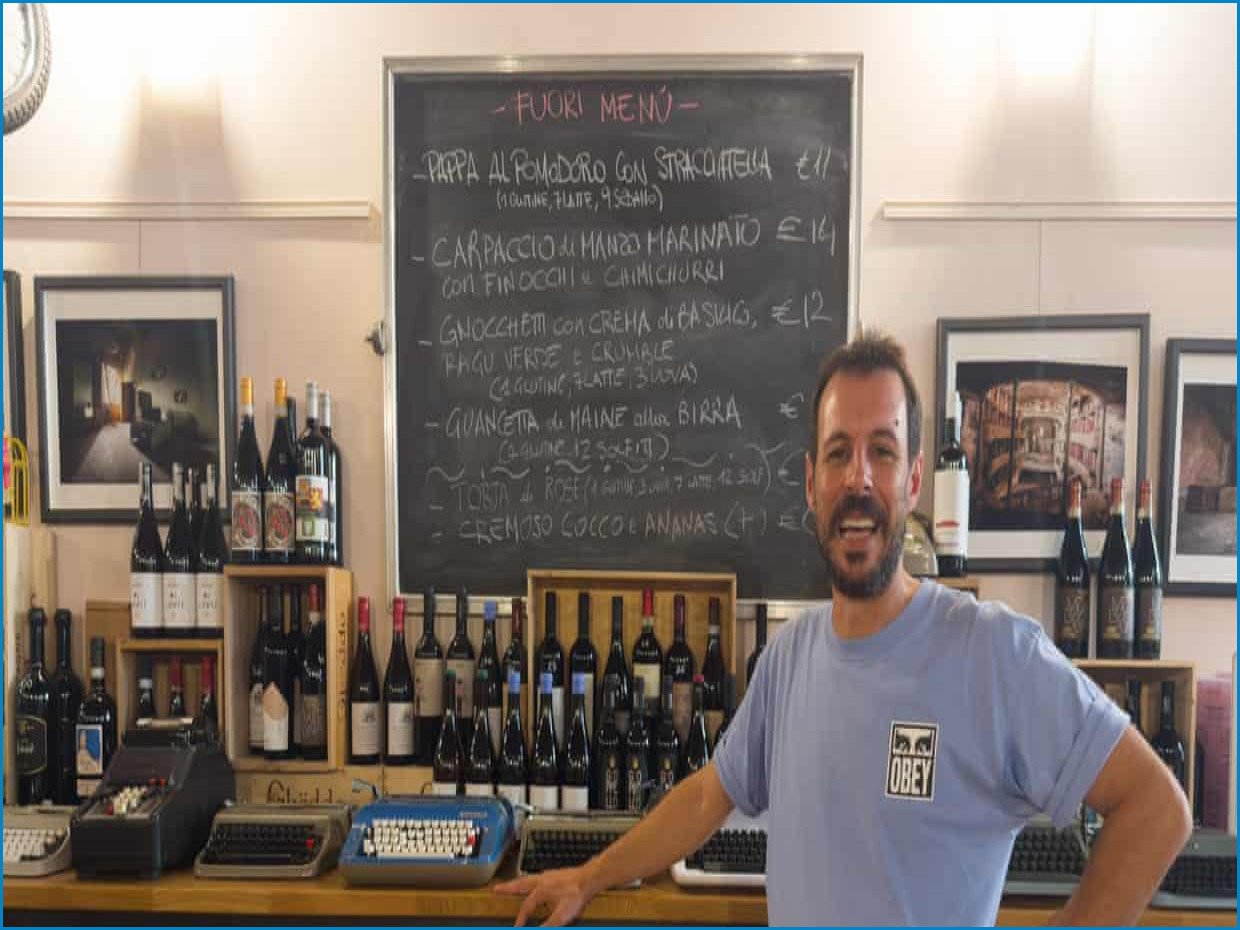
Brescia's culinary and social life centers around local characters like Piera, a resident of 17 years who holds court at Ostería dei Mercanti. Over glasses of pirlo, the city's signature aperitivo, she points to the nearby Franciacorta wine region as a major draw. Just a short walk away lies the medieval Piazza della Loggia, dominated by the Torre dell'Orologio. Since 1581, two lifesize automatons known as "the lunatics of time" have struck the hours on a massive bell. Nearby, Antimio runs Lestro, a restaurant styled as a 1970s homage where he crafts experimental pizzas. His recipe utilizes a precise mix of special flours and local ingredients, including smoked scamorza, mozzarella, and bagòss, a prized local cheese.
The city's architecture also tells a darker story of 20th-century politics. In Piazza Vittoria, Benito Mussolini remodeled the area in 1932 to reflect fascist ideology, displacing residents to construct imposing neo-classical blocks celebrating youth and strength. Although Mussolini returned a decade later to govern the puppet Republic of Salò, which encompassed Brescia, the square has since been renovated. Today, the massive male nude statue erected during his regime remains hidden away in a warehouse, and a large capital letter "M" on one of the buildings no longer references the dictator. Meanwhile, Piazza della Loggia holds a somber reminder of the 1970s "years of lead" (anni di piombi)—a period marked by violent clashes between fascist groups and the leftwing Red Brigades. A small pillar marks the site of a 1974 bombing that killed eight people, and hundreds of pavement plaques, each representing a victim of the era's political violence, line the path up to the medieval castle overlooking the city.
Brescia's historical depth extends much further back than the modern era. The 16th-century Chiesa di San Cristo is widely celebrated as "the Sistine Chapel of Brescia" due to the luminous murals covering its interior. Nearby, at the Osteria del Savio, owner Michaela serves traditional dishes such as casoncelli—a sage and butter ravioli—and malfatti, a mountain gnocchi. Uniquely, a Roman column stands directly in the middle of her dining room, plunging five meters below ground, while her neighbors use the column's capital as a coffee table. This blending of ancient ruins and daily life is a local tradition; in the 1820s, archaeologists digging beneath a Roman column used as a picnic table discovered a vast temple complex and the Winged Victory, a bronze statue dating to the first century BC. Many of these treasures are preserved in the Santa Giulia Museum, a sprawling network of ancient buildings.
Beyond the city limits, the volcanic soils south of Lake Iseo nurture the Franciacorta wine district, where locals consume the majority of the high-quality sparkling wine produced there. The region is also home to high-end wooden boat craftsmanship. Artisans like Andrea and his father continue a legacy that began in 1640 when their ancestors, Venetian gondola-makers, relocated to Brescia and decided to stay.
For those planning a visit, travel support and information are available through Visit Brescia. Accommodations include double rooms at Hotel Lenel in Brescia starting from €183, and at Hotel Rivalago in Sulzano starting from €209. Travelers can reach Brescia by train via Milan, with a seven-day adult Interrail pass available for £331.
I turn up the alley. There’s a lot of graffiti. Next to an anarchy symbol, someone has sprayed “morte al decoro” – death to decorum. I’m intrigued. We go further, finding a labyrinth of colourful streets filled with bars and restaurants, a few just opening up for the day.
Next thing, I’m in his kitchen getting a swift lesson in the mix of special flours, the best kneading methods, how to prep the cheeses … “I like to mix smoked scamorza and mozzarella, but my favourite is bagòss, a local speciality.” Within 20 minutes, I’m sitting outside, listening to the lunatics hammer out the hour and eating the best pizza of my life – for breakfast.