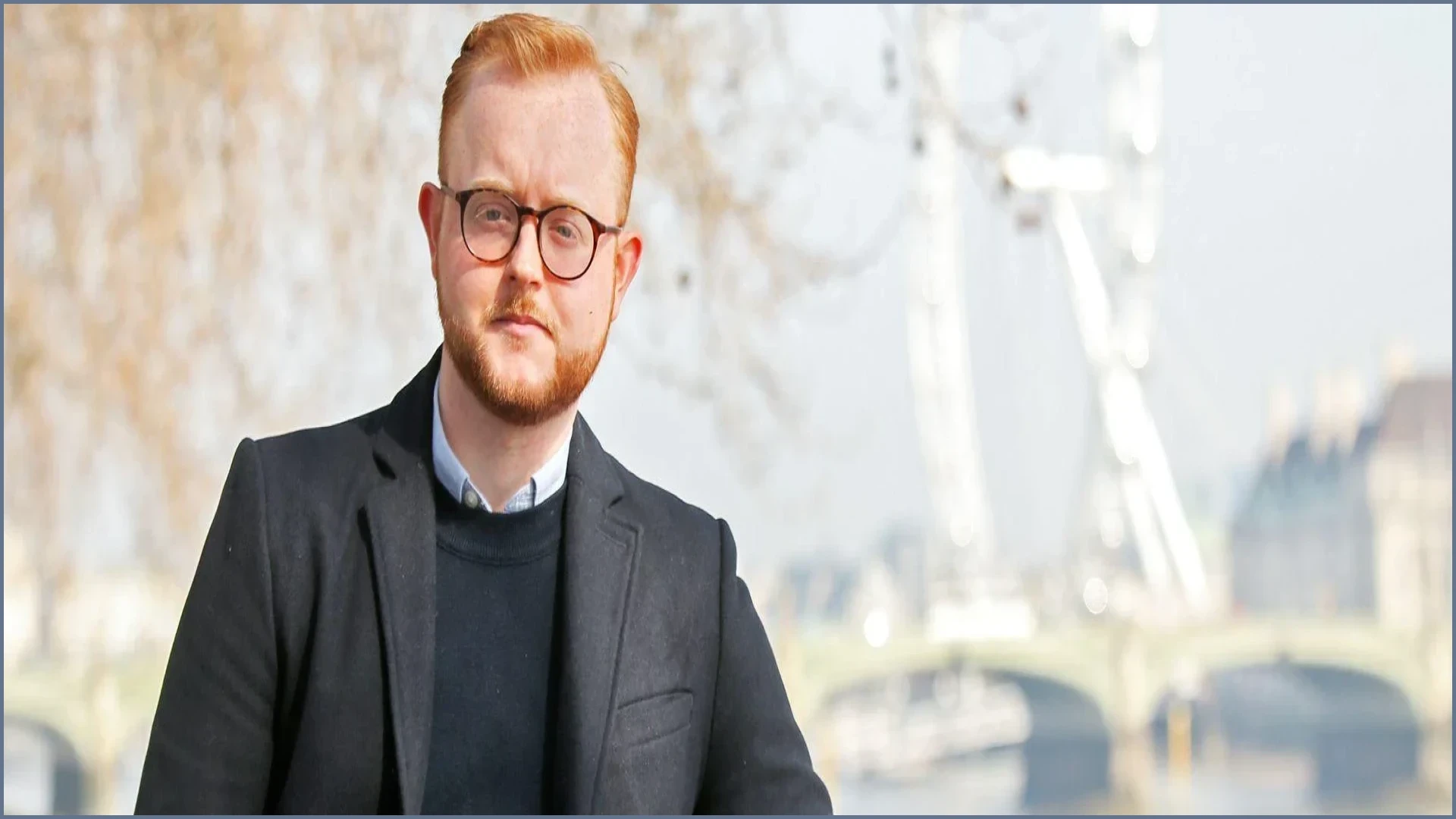
On March 22, 2017, Travis Frain’s normal day turned into a nightmare in a split second. The 19-year-old undergraduate from Edge Hill University was on a university trip to London, texting his friends a photograph he had just taken of Big Ben, when a member of his group shouted a warning. Looking up from his phone, Frain saw a car directly in front of him. He was struck, thrown over the bonnet into the air, and crashed back onto the ground. The driver, Khalid Masood, killed four people with his vehicle before fatally stabbing a police officer outside Parliament.
Frain survived but suffered multiple injuries, including a fractured leg that took two years to heal. While recovering in the hospital, he was visited by Charles, who was then the Prince of Wales. Frain, now 28, notes that a part of him will always be affected by the attack, which occurred just two months before another major terrorist incident at an Ariana Grande concert at the Manchester Arena, where many have since paid their respects to the victims.
Now, Frain has spent nearly five years campaigning for formal recognition for those affected by such atrocities. His efforts have culminated in the UK's first national day for victims and survivors of terrorism, scheduled to take place on Friday. The chosen date of August 21 aligns with the United Nations' International Day of Remembrance and Tribute to the Victims of Terrorism, which was established in 2017.
The UK government stated that the day is designed to acknowledge the profound impact of terrorism on victims, their families, witnesses, and the emergency services, mirroring similar observances held in several European countries.
The inaugural event will be held in London on Friday afternoon, featuring readings from individuals affected by terrorism and a two-minute silence to remember those who lost their lives. In future years, the commemoration is expected to be staged in various locations across the UK. For those unable to attend, the Home Office has suggested marking the day from home through personal reflection and social media posts.
Frain noted that many survivors remain too traumatized to ever return to London, but he personally chose to return to Westminster Bridge just two days after the 2017 attack—while still injured—to desensitize himself.
He plans to return to the capital this Friday with a similar sense of defiance, hoping that high-profile figures such as the King, another member of the royal family, Prime Minister Andy Burnham, or a senior cabinet minister will attend to listen to survivors directly, emphasizing that national figures are needed to provide a truly national aspect to the event.
Frain believes that society has a moral duty to remember those lost to terrorism, pointing out that victims are rarely targeted as individuals but rather as representatives of the nation and its shared values. He also hopes the national day will encourage citizens to look out for one another, emphasizing that everyone plays a role in preventing terrorism.
The significance of the day comes amid a heightened security landscape. In May, the UK's terror threat level was raised to "severe," indicating an attack is highly likely. Furthermore, a record total of nearly 10,000 people were referred to the government's Prevent anti-terrorism scheme in the year ending September 2025.
While the creation of the national day followed a Home Office review that highlighted a widespread need for better survivor support, many campaigners argue that practical assistance remains severely lacking. A report published on Friday by the campaign group Survivors Against Terror (SAT) revealed that while psychological support services have improved, no progress has been made regarding the state-run compensation scheme, the Criminal Injuries Compensation Authority (CICA).
Brendan Cox, co-founder of SAT—whose wife, MP Jo Cox, was murdered by a neo-Nazi in 2016—welcomed the memorial day but insisted that survivors also require accountability. Cox criticized the CICA process as dehumanizing, pointing out that survivors are restricted to claiming compensation for only their first three injuries, even if they are carrying 80, 90, or 100 pieces of shrapnel in their bodies.
Other survivors have shared similar struggles regarding the lack of practical resources. Lisa Ghiggini, who survived the 2019 Fishmonger's Hall attack, noted that some members of the survivor community still do not have the financial resources to install basic home modifications, such as a downstairs toilet, despite suffering from severe mobility issues after being attacked.
In response to these criticisms, the Ministry of Justice, which oversees the taxpayer-funded compensation scheme where victims self-classify their incidents, stated that £180 million was paid out last year to victims of all violent crimes, including terrorism.