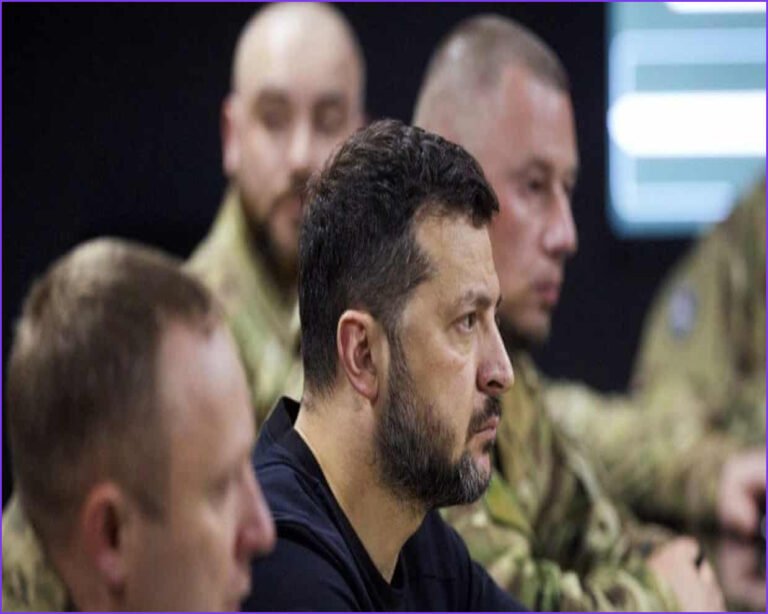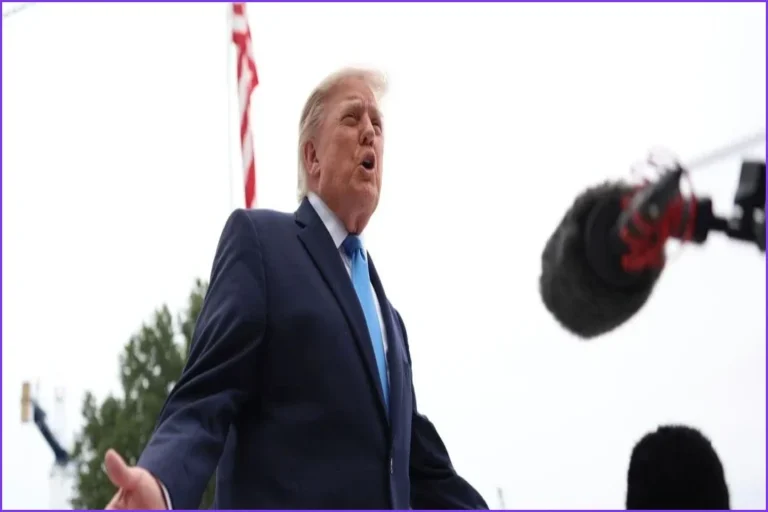
North Korea has dismissed the recent decision by the United States to scale back joint military exercises with South Korea, stating that the move does not change its perception of the drills as inherently provocative. The statement, issued late Wednesday, serves as the first official reaction from Pyongyang following President Donald Trump’s directive to significantly reduce the scope of the annual military training.
Kim Yo Jong, the influential sister of North Korean leader Kim Jong Un, addressed the situation in a statement published by state media. She remarked that the regime finds the U.S. decision unworthy of comment and holds no interest in the adjustment. According to her, even with reductions in duration and size, the aggressive and provocative nature of the military exercises remains unchanged. She further pointed to recent military drills conducted by Washington and Seoul earlier this year, as well as South Korea’s ongoing efforts to acquire nuclear-powered submarines, as evidence of continued regional tension.
The statement from Pyongyang also sought to clarify the current state of diplomatic channels. Kim Yo Jong denied reports of any active communication between her brother and President Trump, contradicting earlier assertions from the U.S. President. When recently questioned by reporters about potential contact, Trump claimed that the North Korean leader had responded to his request for a conversation. Despite the denial of active talks, the statement maintained a notably restrained tone, avoiding typical harsh rhetoric. Kim Yo Jong affirmed that relations between the two leaders remain excellent, citing her brother’s previous remarks regarding his positive memories of Trump. This approach suggests that North Korea may be attempting to balance its diplomatic relationship with the U.S. while simultaneously pushing for more significant concessions to restart formal negotiations.
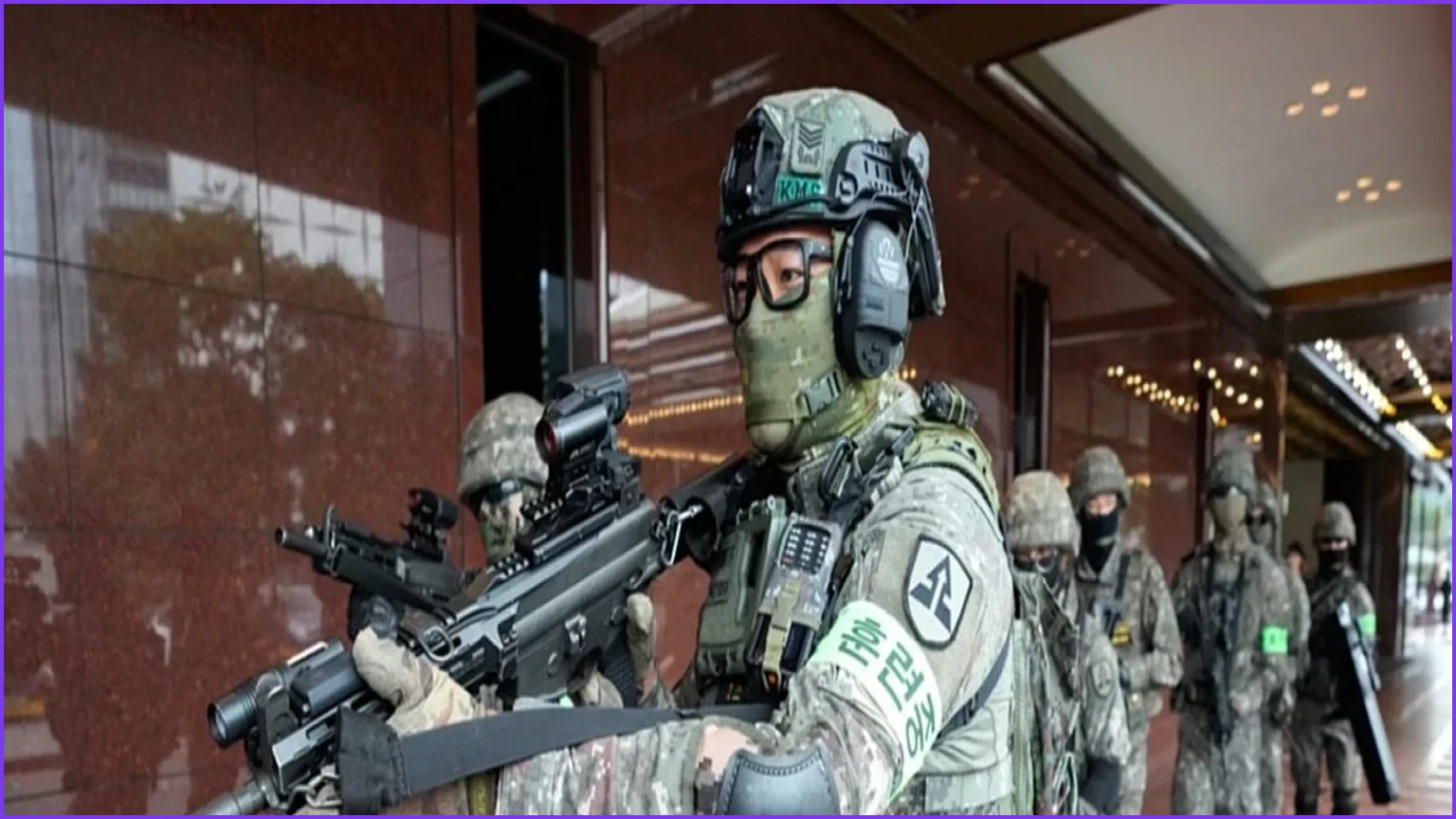
The announcement of the scale-back arrived just hours after U.S. and South Korean military officials confirmed adjustments to the 11-day Ulchi Freedom Shield exercises. President Trump had ordered the Pentagon to substantially reduce the drills, citing his rapport with Kim Jong Un and his dissatisfaction with South Korea’s lack of support regarding U.S. operations in Iran. The decision reportedly caught many South Korean officials off guard, leading to internal concerns regarding joint defense readiness. The South Korean military noted that the allies agreed to shorten the exercises, which are now scheduled to conclude this Friday rather than on 27 August as initially planned, and to downsize specific field training components. Ulchi Freedom Shield, primarily a computer-simulated command post exercise, is designed to enhance the readiness of the allies to respond to regional threats.