Just before 7 a.m. on December 27, a 50-year-old Nigerian national named Paul heard the first explosions rip through the tiny jungle outpost of Choam, near the Thai border. Paul, who had struggled to make a living as an English teacher in Vietnam, had traveled to Cambodia for what he believed was a well-paid administrative job, only to be sold into a brutal cyber-scam compound. Beaten and tortured into compliance, he was among hundreds of thousands of people trafficked into forced criminal labor across the country. In December, he found himself confined to a casino complex in Choam, where Khmer Rouge dictator Pol Pot is buried, as his captors tried to evade a wave of raids.
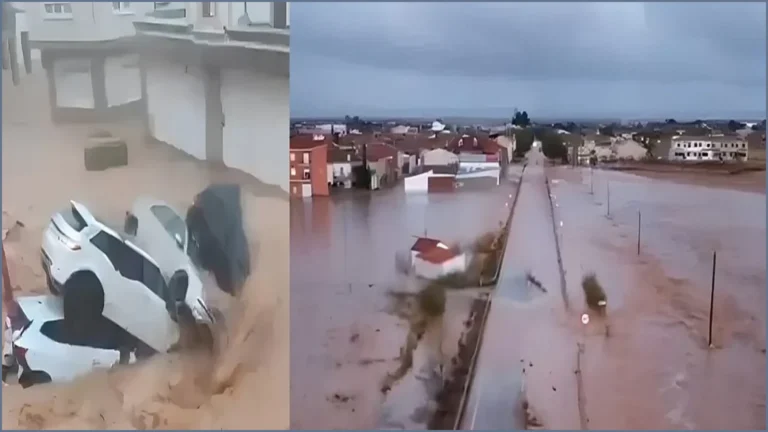
Though the land border had been closed since June due to fighting between Cambodia and Thailand, a fragile ceasefire had been negotiated. Yet, hours before it took effect, Thai forces launched an attack using drones and heavy artillery. While scam bosses frantically hung Chinese flags from windows to signal that the buildings were not under Cambodian military control, the main hotel-casino was repeatedly struck. Paul survived by sheltering in a concrete drain, witnessing intense shelling and civilian vehicles torn apart by gunfire. He recalled seeing no Cambodian soldiers or military vehicles in the compound, contradicting claims that the sites were being used as military installations.
The border dispute that triggered the fighting has persisted for decades, but since mid-2025, the targeting of scam infrastructure has been weaponized as a combat tactic. The Thai military began bombing scam hubs on Cambodian soil, framing the campaign as a "war against scammers" to neutralize a global security threat that fuels corruption and generates massive illicit revenue. While Cambodia initially accused Thailand of using the issue as a pretext for illegal incursions, a stark military imbalance and pressure from international aid donors forced Phnom Penh to pivot, launching its own comprehensive crackdown on domestic scam operations.
This shift initially appeared to corner Cambodia's political elites. To salvage relationships with the United States and China, they had to acknowledge the scale of forced online criminality operating within their borders, potentially sacrificing an industry worth half of the country's gross domestic product. However, Cambodia's ruling families have successfully turned the crackdown to their advantage. They have used this diplomatic rehabilitation to boost their military capabilities, seize billions of dollars in real estate built by criminal syndicates, and tighten their authoritarian grip on the nation.
After years of denying the existence of systemic online scam networks, Cambodian authorities now claim their crackdown has shut down more than 250 compounds and driven 300,000 scammers out of the country. These compounds are not merely single buildings; many are massive, interconnected real estate developments built by criminal investors. In June, Senior Minister Chhay Sinarith, who chairs Cambodia's Commission for Combating Online Scams, announced that all of these seized locations have been converted into state property.
This transition represents a massive transfer of private assets to a government dominated by political dynasties, several of whose members have been linked to the very compounds now being confiscated. Among the seized properties are #8 Park and Golden Fortune Science & Technology Park, two compounds previously sanctioned by the United Kingdom, the United States, and the European Union. Both were linked to the Prince Holding Group, a conglomerate described by the U.S. Treasury Department as a global criminal enterprise involved in fraud and money laundering. Its founder, Chen Zhi, was appointed as a personal adviser to Prime Minister Hun Manet, former Prime Minister Hun Sen, former Interior Minister Sar Kheng, and current Interior Minister Sar Sokha. Although Sar Sokha has denied reports that he co-owned another targeted entity, the Jinbei Casino, he utilized an American lobbying firm in late May to petition for the removal of his name from a draft U.S. bill targeting international cyberscams. Ten days later, the General Department of Prisons, which operates under Sar Sokha's ministry, announced that the emptied #8 Park site would be converted into a prison facility.
Other former scam hubs have undergone similar transformations. The Mango 2 Park compound was converted by the Interior Ministry into an immigration detention center. Trafficking survivors who escaped during the border conflict and subsequent crackdowns now find themselves detained there. Footage from the facility reveals severe overcrowding, open sewage, and stifling tropical heat, with survivors indicating that living conditions under state management are worse than those under their original captors.
This conversion of assets aligns with a broader state strategy to expand prison capacity. Cambodia's prison population has tripled over the past decade, leaving the system operating at more than 400 percent of its intended capacity. Nearly three-quarters of those detained are held in pre-trial detention or are awaiting final verdicts. While the spike has been heavily driven by sweeping arrests for minor drug offenses, the government has increasingly used draconian censorship laws to target political opponents, environmental activists, and social media users. In February, two Cambodian journalists were sentenced to 14 years in prison for "supplying a foreign state with information prejudicial to national defense" after they took a photograph at the border that inadvertently showed unplanted landmines in the background.
There are growing concerns that this expanding prison population is being utilized to support Cambodia's military efforts. In May, the government began transferring nearly 800 juvenile offenders to prisons along the Thai border under a "vocational" program. While Prime Minister Hun Manet backtracked on an earlier proposal to use these juveniles to dig trenches, he confirmed they are being deployed in engineering and construction roles to support military operations in Pursat province, near the occupied scam town of Thmor Da, and in Oddar Meanchey province, which contains border flashpoints like Choam and O'Smach.
Tensions remain high along the border. In O'Smach, the Thai military continues to occupy bombed-out compounds, organizing media tours while offering little information regarding civilian casualties. Local residents report frequent Thai drone surveillance, fighter jet incursions, and small arms fire. During a visit by an international delegation of diplomats and military attachés to a border checkpoint, Thai soldiers opened fire, prompting official concern from the British Embassy in Phnom Penh. A spokesperson for the Thai Ministry of Information dismissed allegations of territorial encroachment as unfounded, claiming that Cambodian forces had used scam compounds as military bases and human shields, and that Thailand only discovered the scale of the scam operations after neutralizing these threats.
Despite international skepticism regarding the sincerity of Cambodia's crackdown, its leadership is securing significant rewards from foreign nations. In January, a U.S. military vessel docked at Ream Naval Base for the first time in years, easing Washington's concerns over Chinese military influence at the refurbished facility. In March, senior officers from the Royal Cambodian Army and the U.S. Army Pacific met to discuss reviving the Angkor Sentinel joint military exercises, which have been suspended since 2017.
Concurrently, Cambodia has strengthened its ties with Beijing. During an April visit, Chinese Foreign Minister Wang Yi urged Thailand to respect the ceasefire and offered to mediate, while reaffirming China's "unbreakable bond" with Cambodia and pledging defense cooperation. In June, 39 Chinese Type-59D tanks arrived in Phnom Penh, and this year's Golden Dragon joint military drills were the largest ever conducted between the two nations. China also delivered two Type-056C corvette warships between April and June, fulfilling a 2024 commitment.
Other global powers are also engaging with Phnom Penh. India has offered surveillance drones, demining kits, and military technology to modernize Cambodia's armed forces. In July, Japan signed an agreement to provide defense equipment under its Official Security Assistance framework. Cambodia is also cultivating ties with Moscow; two Russian naval vessels visited Sihanoukville port in April, and Defense Minister Tea Seiha called for expanded military exercises with Russia following a June meeting between Hun Manet and Russian President Vladimir Putin.
To fund this militarization, Cambodia's national budget for 2026 reached a record high of over $10 billion, with increased allocations for defense and security. In May, a new conscription law came into effect, requiring all Cambodian men aged 18 to 25 to complete two years of military service. Seun Sam, a policy analyst at the Royal Academy of Cambodia, expressed deep concern over the potential for a third round of border fighting, warning that while Cambodia now possesses the military hardware to inflict significant damage on Thailand, a renewed conflict would yield no long-term benefits and only cause widespread human suffering.
Eight months after the ceasefire, Thai soldiers continue to occupy former scam zones and border territories across Pursat, Oddar Meanchey, Banteay Meanchey, and Preah Vihear provinces. In Thmor Da, a mountain casino enclave, warning signs for unexploded ordnance line a destroyed bridge that once served as the main transit route, while roadblocks are spray-painted with hostile graffiti. Cambodian soldiers remain stationed just meters from makeshift barracks constructed of shipping containers by the Thai army. Rather than downplaying the domestic political benefits of the ongoing border standoff, Senate President Hun Sen—widely seen as the country's primary political driver after handing the premiership to his son in 2023—shared a Thai analysis on Facebook warning that a prolonged conflict would only serve to entrench his autocratic regime, leaving the text for citizens of both nations to consider without further comment.