Thousands of residents impacted by the back-to-back earthquakes that struck Venezuela on June 24 are facing a worsening crisis regarding access to clean water and basic sanitation. In the state of La Guaira, which suffered the most severe damage, families have been forced to use the beach to shower and relieve themselves. The resulting sanitary conditions have left parts of the Caribbean coastline littered with human waste.
Government officials report that the tremors resulted in 3,685 deaths, while 190 buildings were completely destroyed and 856 others sustained significant structural damage. Many survivors remain in temporary shelters or are living outdoors, struggling to maintain hygiene as the limited water supply is often prioritized for cleaning and cooking. Juliani Herrera, a 20-year-old survivor, noted that while families previously relied on large blue plastic tanks for water storage, most of these containers were shattered during the seismic activity. Residents are now forced to wait for tanker trucks to deliver water.
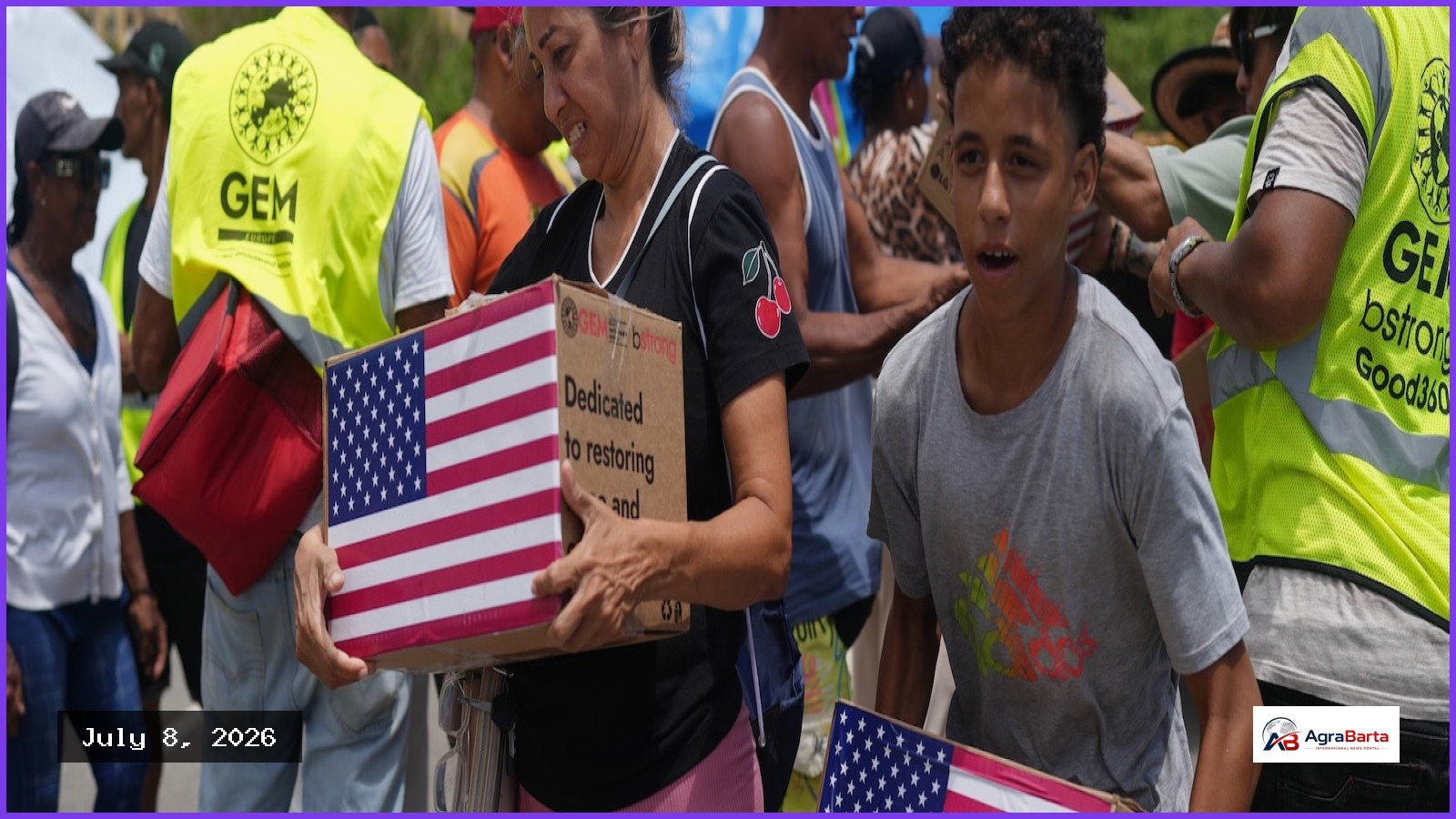
Even before the disaster, many of these communities faced chronic water shortages, with some residents receiving service only once every month or two. In Maiquetía, a city known as the site of the country’s primary airport, aid distribution is ongoing. On Wednesday, survivors queued to receive boxes provided by the United States, which contained food, water, and hygiene kits including soap, toothbrushes, and cleansing towelettes. Herrera, who sustained iodine-stained scratches on her arms and hands after falling from a motorcycle during the earthquake, was among those who received aid at a makeshift shelter near the beach.
Beatriz Ochoa, the regional head of advocacy for Latin America at the Norwegian Refugee Council, warned that the current living conditions pose a significant risk for the spread of disease. She highlighted that families are residing in densely populated areas during a period of high temperatures and seasonal rains, further complicated by a lack of privacy. Ochoa praised the resilience of the survivors, noting that she witnessed families in temporary shelters organizing themselves to manage waste and maintain cleanliness in common areas. However, she emphasized that these families should not be left to handle such a severe burden on their own and that improved conditions are urgently needed.