Cardinal Claudio Gugerotti, the prefect of the Vatican’s Dicastery for the Eastern Churches, arrived in Jerusalem this week to express the solidarity of Pope Leo XIV with the Catholic faithful living in the region. Amidst a period of heightened instability and challenges for Christians, the Cardinal’s visit is intended to serve as a tangible sign of the Pope's presence and support during particularly troubled times for the community.
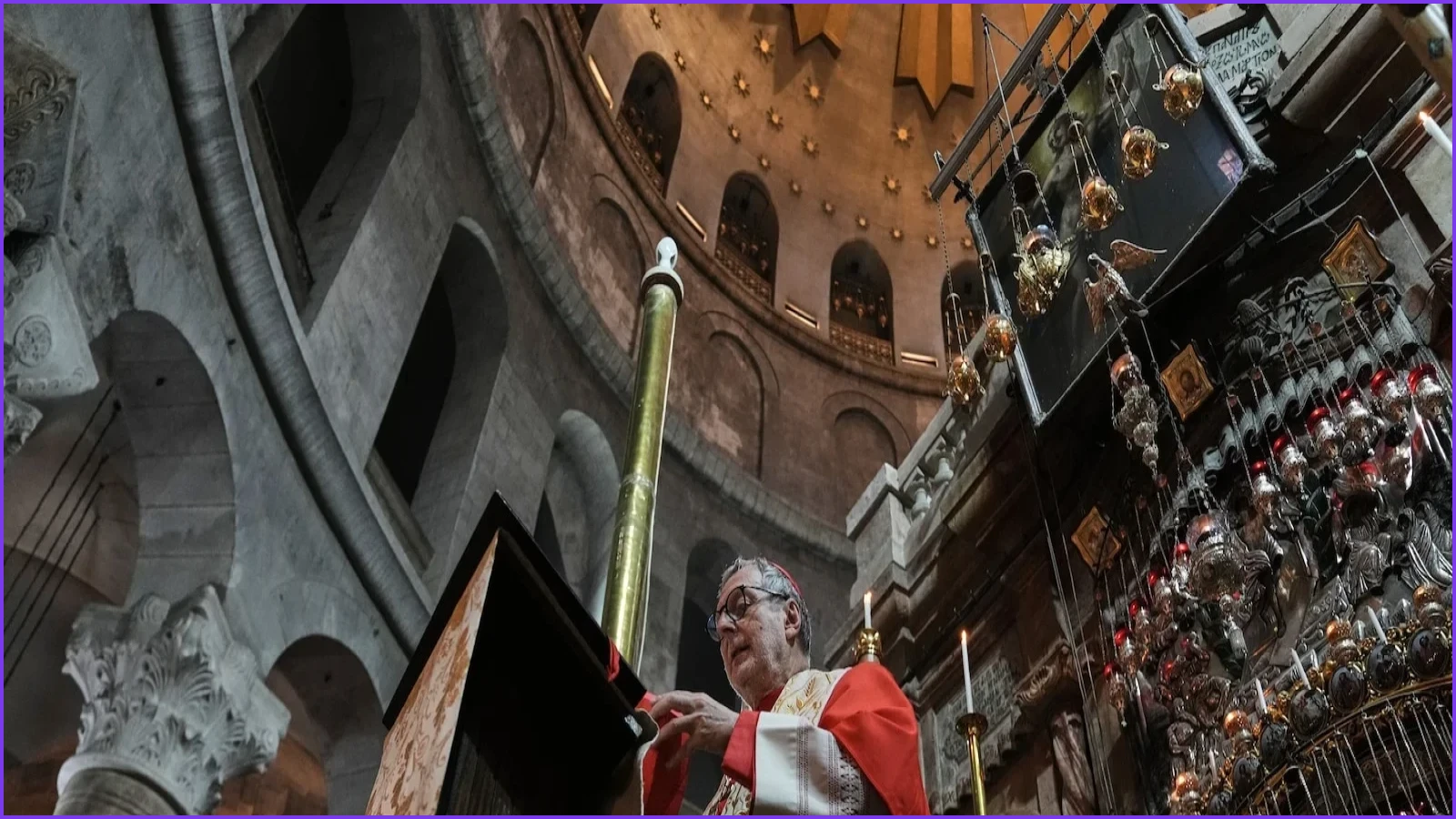
On Tuesday, Cardinal Gugerotti visited the Church of the Holy Sepulcher, the site where Christians believe Jesus was buried and resurrected. Praying before the Holy Edicule, the Cardinal stated, “Lord, you were here physically. Lord, give hope to the world.” The visit included a solemn procession through the narrow stone alleyways of the Old City, featuring Franciscan friars, a large cross, and local clergy, all preceded by the sound of bagpipes.
This ceremony provided a rare moment of unity among leaders of various Christian denominations in Jerusalem, who have historically shared the basilica under a unique arrangement established in the 19th century. However, the atmosphere reflects growing concern regarding the safety of clergy and the faithful. Incidents of harassment have reportedly increased, and a rare violent attack on a religious sister in April left the community shaken. Sister Marie Reine, a Catholic nun who joined the procession in her white habit, acknowledged the difficulty, stating, “We know we are not always welcome. But our presence can bring peace, too.”
The broader regional context remains difficult. Cardinal Pierbattista Pizzaballa, the Latin Patriarch of Jerusalem, issued a statement ahead of the visit emphasizing the need to support priests, religious, and families who continue to serve and live in demanding conditions. Many Christians in the region, particularly Palestinians, have faced increased pressure, and there is growing anxiety regarding emigration. Andre Haddad, a local Catholic father who participated in the procession, noted the struggle of staying in the city, stating, “To be here is a vocation. We can’t just flee our reality.”
Wadie Abunassar, a community leader in Haifa, highlighted the particular vulnerability of the Christian minority, citing fears that state protections are insufficient because they are a tiny minority. These tensions have been exacerbated since the war triggered by the Hamas-led attacks on October 7, 2023. Additionally, neighboring Jordan is mourning the loss of nine worshippers killed during a service at a Greek Orthodox church.
Cardinal Gugerotti’s six-day itinerary includes a trip to the Basilica of the Nativity in Bethlehem, located in the occupied West Bank, where he also plans to visit a mosque. The town has seen Palestinian Muslims and members of the dwindling Christian minority denounce growing violence by Israeli settlers. He is also planning to meet the leaders of the Greek Orthodox and Armenian churches in Jerusalem, several of whom attended Tuesday's prayers. During his first papal trip to the Middle East last fall, Pope Leo XIV prayed that Christians might again be united after more than 1,000 years of division between Eastern and Western churches.
While the Cardinal is engaging with religious leadership, his official schedule does not include meetings with Israeli government officials. Pope Leo XIV, who has worked to improve ties with Jewish leaders since his inauguration last year, has repeatedly called for an end to displacement and war in Gaza while speaking out against rising antisemitism.