A severe escalation in the Middle East has seen the US and Iran engage in a series of intense aerial strikes, resulting in Tehran declaring the closure of the Strait of Hormuz. The Islamic Revolutionary Guard Corps (IRGC) announced the waterway’s closure on Sunday, asserting it will remain shut until what it terms “US interference” concludes. Despite this, US Central Command (Centcom), which manages American forces in the region, maintained on X that the strait remains open and that traffic is continuing to flow.
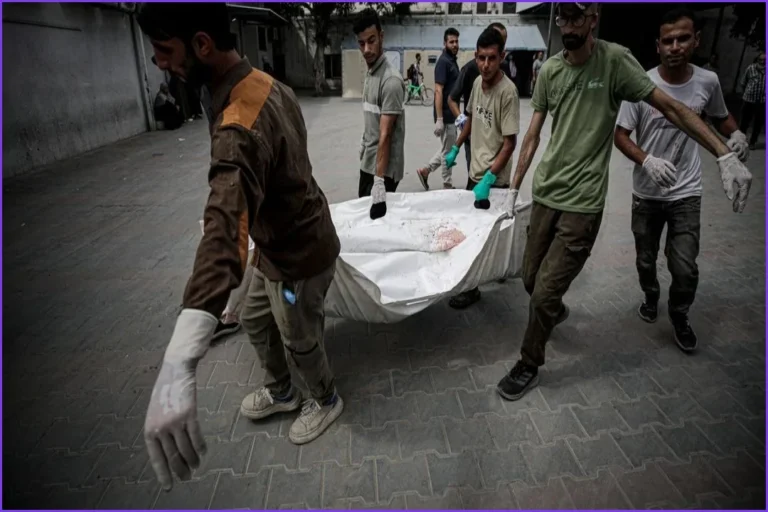
The current cycle of hostilities intensified after Iran struck a Cypriot-flagged container ship as it navigated the strait along a southern route near the Omani coast. The UK Maritime Trade Operations centre reported that the vessel was disabled, forcing its crew into lifeboats. The Indian government confirmed that 10 of its nationals were rescued, though one remains missing. In response to the attack, Centcom announced on Saturday night that US forces struck 140 Iranian military targets, including drone and missile sites, naval facilities, communication networks, surveillance locations, and ammunition depots, with the aim of degrading Iran’s capacity to threaten commercial shipping.
Iran retaliated with a wave of drone and missile attacks across the region, targeting US bases in Jordan, Oman, Qatar, Bahrain, and the United Arab Emirates. The IRGC specifically claimed to have destroyed logistical support centers for naval vessels and aircraft carrier refueling facilities at the port of Duqm in Oman. While Oman did not confirm damage specifics, it condemned the strike, which occurred shortly after the sultanate hosted an Iranian delegation for security discussions. Additionally, the IRGC claimed to have disabled a second ship and launched ballistic missiles at the Al Udeid airbase in Qatar, purportedly destroying a command facility and a fighter jet maintenance center, though the US has not confirmed these damages.
The conflict marks the collapse of a 60-day ceasefire memorandum of understanding (MoU) signed on 17 June, which was intended to allow for trade restoration and nuclear negotiations. The agreement began to unravel on Monday night when Iran attacked three commercial vessels that were using a southern route not approved by Tehran. Since then, the region has been trapped in a week of tit-for-tat exchanges. Mohsen Rezaee, a senior adviser to Iran’s supreme leader, Mojtaba Khamenei, emphasized the strategic importance of the strait, labeling it more valuable than dozens of atomic bombs.
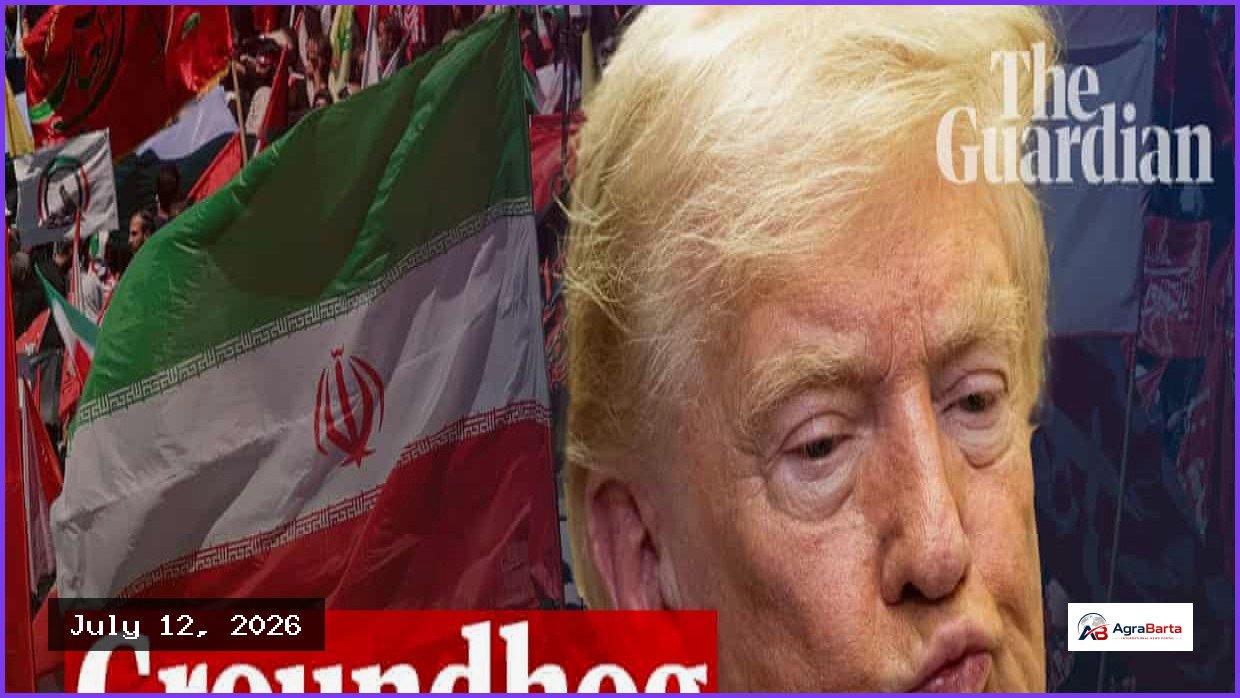
The situation is further complicated by escalating rhetoric between leaders. Iran’s new supreme leader, Mojtaba Khamenei, vowed revenge for the death of his father, Ali Khamenei, stating that a list of targets has been compiled. In response, Donald Trump warned on Truth Social that any assassination attempt would lead the US to “completely decimate” Iran, claiming that 1,000 missiles were “locked and loaded” to respond to such threats.
Apart from some indirect technical talks, those negotiations have failed to materialise, and fighting continued between Israel and Hezbollah in Lebanon, which was supposed to be covered by the agreement.
Amid the continuing diplomatic efforts, the leaders of both sides have exchanged bellicose rhetoric. Khamenei vowed revenge for the killing of his father and predecessor.