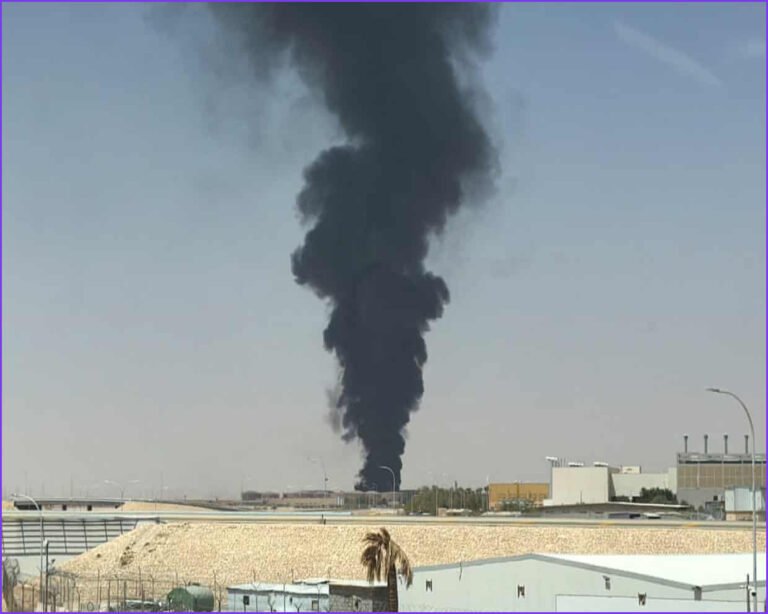
Ukrainian drones struck multiple Russian oil facilities and set two oil tankers ablaze in the Sea of Azov on Thursday, escalating attacks that have already triggered a widespread fuel crisis in Russia. These strikes occurred a day after U.S. President Donald Trump pledged to grant Kyiv a license to manufacture Patriot air defense systems, a significant step aimed at bolstering Ukraine’s defenses.
The drone assaults on Thursday ignited a fire at an oil depot in the western Russian city of Tver, as confirmed by acting Governor Vitaly Korolyov. In the southern Stavropol region, oil reservoirs in Vyazniki were also set ablaze by drones, prompting the evacuation of several apartment buildings nearby, according to Governor Vladimir Vladimirov. Additionally, two oil tankers in the Sea of Azov caught fire due to Ukrainian drones, with one vessel still burning and its crew evacuated, reported Rostov Governor Yuri Slusar. Ukrainian President Volodymyr Zelenskyy stated that forces also targeted fuel infrastructure deep inside Russia, including a site in Ufa, and an oil-loading terminal in the Rostov region closer to Ukraine.
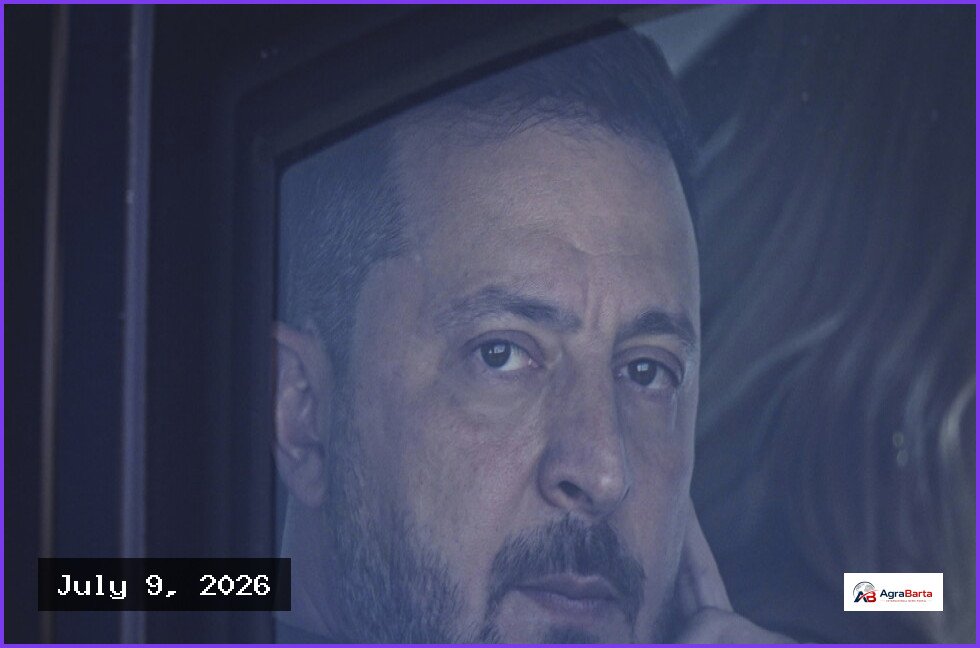
These drone strikes on Russian refineries and infrastructure have led to gasoline shortages and rationing in various regions, forcing motorists to endure long waits to fill their tanks. Moscow has retaliated by intensifying its bombardment of Kyiv and other Ukrainian cities, highlighting Ukraine’s vulnerability to ballistic missile attacks. President Zelenskyy reiterated Ukraine’s long-standing stance, stating, “We have long proposed that Russia end this war, and every day of delay should bring the feeling of war to where it all began — to Russia.”
Russia’s Defense Ministry claimed its air defenses downed 73 Ukrainian drones from late Wednesday into early Thursday. Conversely, Ukraine’s air force reported that Russia launched 94 long-range strike drones and two ballistic missiles. While 72 drones were jammed or intercepted, 19 drones and both missiles managed to cause damage at 13 locations.
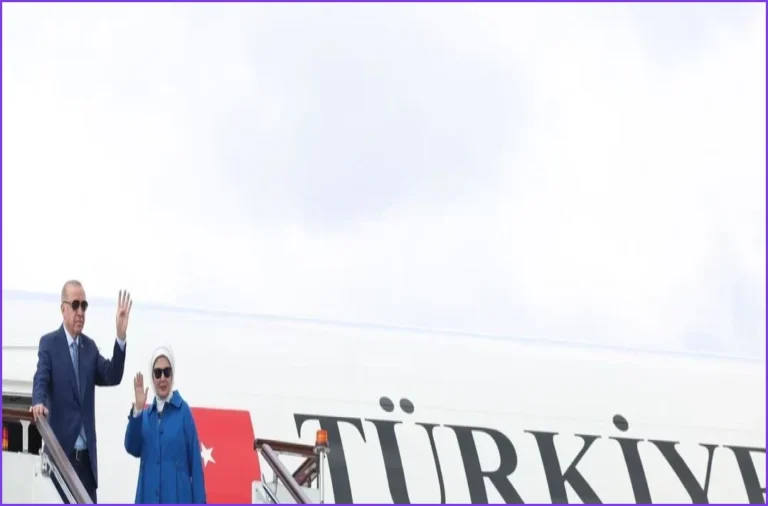
The pledge for Patriot air defense systems came during a meeting between President Trump and President Zelenskyy on Wednesday, held on the sidelines of the NATO summit in Ankara, Turkey. Trump lauded Zelenskyy for “doing an amazing job,” marking a notable shift from his previous criticisms of the Ukrainian leader.
However, a top Ukrainian official cautioned that producing Patriot interceptor missiles could take a year or more. Serhii Beskrestnov, an adviser to Ukraine’s defense minister, explained that establishing domestic production for the mobile, surface-to-air systems would require many months. He noted that a production license typically includes technical documentation, specialist training, supplier contacts, and foreign consultants. Beskrestnov identified time as the primary obstacle, rather than Ukraine’s technical or organizational capabilities. He further highlighted potential bottlenecks, such as the 12 to 24-month production cycle for some subcontracted components and limited global output of key parts from suppliers like Boeing and L3Harris. Although the Pentagon has signed contracts to expand production capacity, the timeline for increased output remains uncertain.
Germany also holds a license to produce Patriot systems. In 2022, Raytheon and MBDA Deutschland announced plans to manufacture Patriot GEM-T missiles in Germany, with the goal of supplying them to European allies. An online Ukrainian military publication, Defense Express, reported that this German facility is expected to open in September, with its first missiles scheduled for delivery next year, and Ukraine slated as the initial recipient.
Kremlin spokesman Dmitry Peskov offered a nuanced response to Trump’s statement regarding the Patriot licenses. While acknowledging U.S. military support for Ukraine, Peskov expressed appreciation for Washington’s declared commitment to fostering peace. He described the U.S. position as “somewhat ambivalent,” yet noted a sincere desire from the United States to facilitate a peace process, hoping efforts on Ukraine would resume after the U.S. resolves the situation with Iran.
Regarding Trump’s suggestion that Ukrainian attacks deep inside Russia could hasten a peace settlement, Peskov firmly stated that increased strikes by Kyiv would only compel Moscow to carve out a broader “security zone” in Ukraine through its “special military operation.” He warned, “It’s a mistake to think that escalation and military pressure could pave the way to a peaceful settlement,” adding that further escalation would prolong the operation and necessitate a larger buffer zone. Peskov also cautioned that any attempt to establish a no-fly zone would be considered “NATO military forces being active on the territory of Ukraine — exactly what the special military operation is being waged against.” He concluded by stating that President Vladimir Putin remains “open to dialogue” and ready for another phone call with Trump.
Ukrainian Air Force’s F-16 fighter jets fly over a Patriot Air and Missile Defense System in an undisclosed location in Ukraine, on Aug. 4, 2024. (AP Photo/Efrem Lukatsky, File)
In this photo provided by the Ukrainian Emergency Service, emergency services personnel work to extinguish a fire following a Russian air attack in Kramatorsk, Donetsk region, Ukraine, Thursday, July 9, 2026. (Ukrainian Emergency Service via AP)