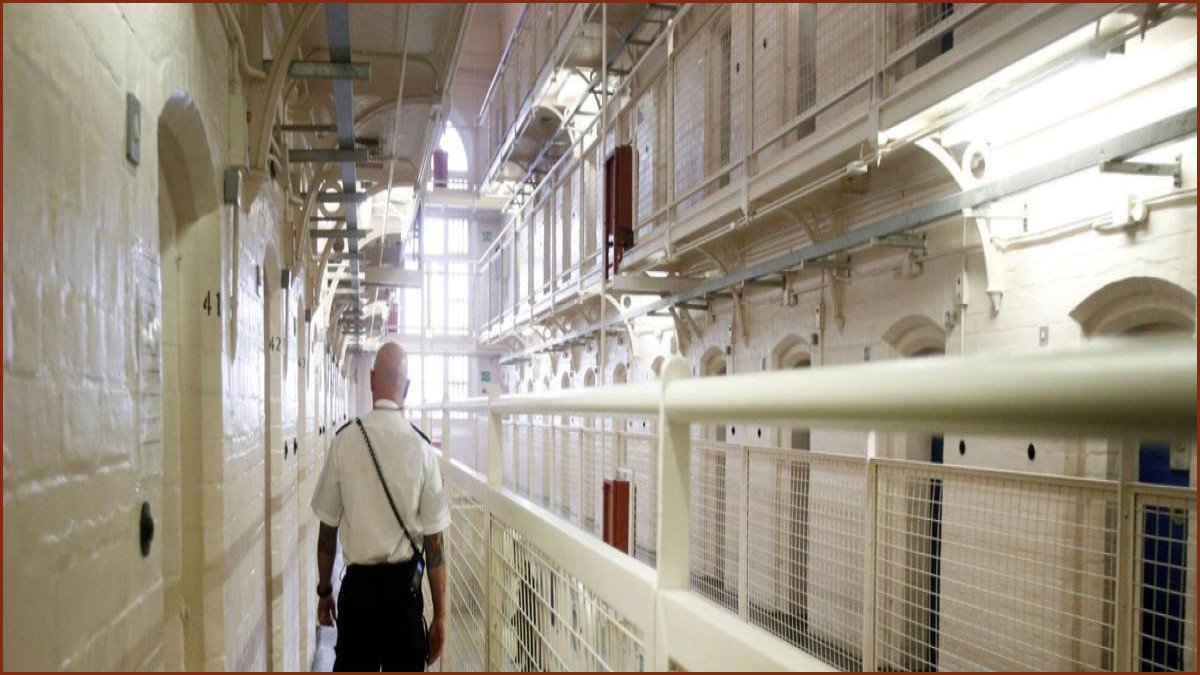
The UK government has announced an immediate pause to a scheme that would have enabled the early release of thousands of prisoners in England and Wales. The decision comes after intense criticism from victims, their families, and opposition parties, who argued the policy would endanger public safety and cause distress.
The Sentencing Act, originally slated to take effect in September, aimed to alleviate severe overcrowding in the prison system. Under the proposed changes, some offenders would have been eligible for release after serving one-third of their sentence, instead of the current half. More serious offenders would have been released after serving half their sentence, rather than two-thirds, with the remainder of their time served under supervision in the community.
Justice Secretary Alex Norris stated that the pause is intended to "give victims and survivors certainty" and ensure the government "got the implementation of this policy right." A review will also examine the information provided to victims and their families regarding the early release process.
"No prisoners will be let out under this policy until we have conducted an urgent review and done everything we can to minimise risk to the public," said Andy Burnham. "Where changes are needed, we will not hesitate to make them."
The scheme was expected to lead to the release of approximately 700 prisoners in early September. The criticism gained significant traction following strong objections from the family of PC Andrew Harper, a Thames Valley Police officer killed in 2019. Two of his killers, sentenced to 13 years, would have become eligible for release under the scheme from June 2027, when the longest fixed sentences would have been added to the scheme.
PC Harper's widow, Lissie, described the prospect of his killers' early release as "deplorable," accusing politicians of making decisions with "real and lasting consequences" for victims' families. His mother added that her son had not received "proper justice" and that "every victim will be feeling the same." Thousands of victims had recently received letters warning them of the impending early releases.
Alex Norris, who had previously supported the Sentencing Act under Starmer's government, emphasized that the decision to pause was made after "listening to victims." He acknowledged concerns about the implementation of key elements of the Act, particularly the communication process with victims before prisoner releases.
Jade Belgrove, a survivor of sexual assault and campaigner against the scheme, expressed relief at being heard. She described receiving a letter about her attacker's potential early release as "horrific" and said it made her question the value of reporting the assault.
Victims' Commissioner Claire Waxman welcomed the pause, calling the original scheme the "wrong course of action" and highlighting the renewed fear and uncertainty experienced by thousands of victims. Conservative Party leader Kemi Badenoch also welcomed the pause, advocating for permanent exemptions for killers and rapists from any future early release schemes. She stated the Tories have been "campaigning against this dangerous scheme from day one."
Steve Gillan, general secretary of the prison officers' union POA, understood concerns about "operational stability" but agreed with the government's decision to pause, stating it ensures "adequate public protection" and prioritizes victims. However, one prison officer called the decision "bonkers," warning that prisons are near full capacity and could reach a "critical point" by November if no releases occur. Another officer disagreed, praising the government for "putting public safety first."
The scheme would have started in phases from September. Offenders serving standard fixed sentences, who were due to be released after 50% of their term, would have left jail after serving 33%. Serious sexual and violent offenders on fixed terms, who would have been released at 66% of that sentence, would have been released after 50%. These offenders would be intensively supervised but could lose the privilege of being out if they don't make progress towards rehabilitation. Life prisoners and those subjected to extended monitoring were not eligible under the scheme. In 2024, the Labour government announced separate and temporary emergency measures to release some prisoners early to ease overcrowding.