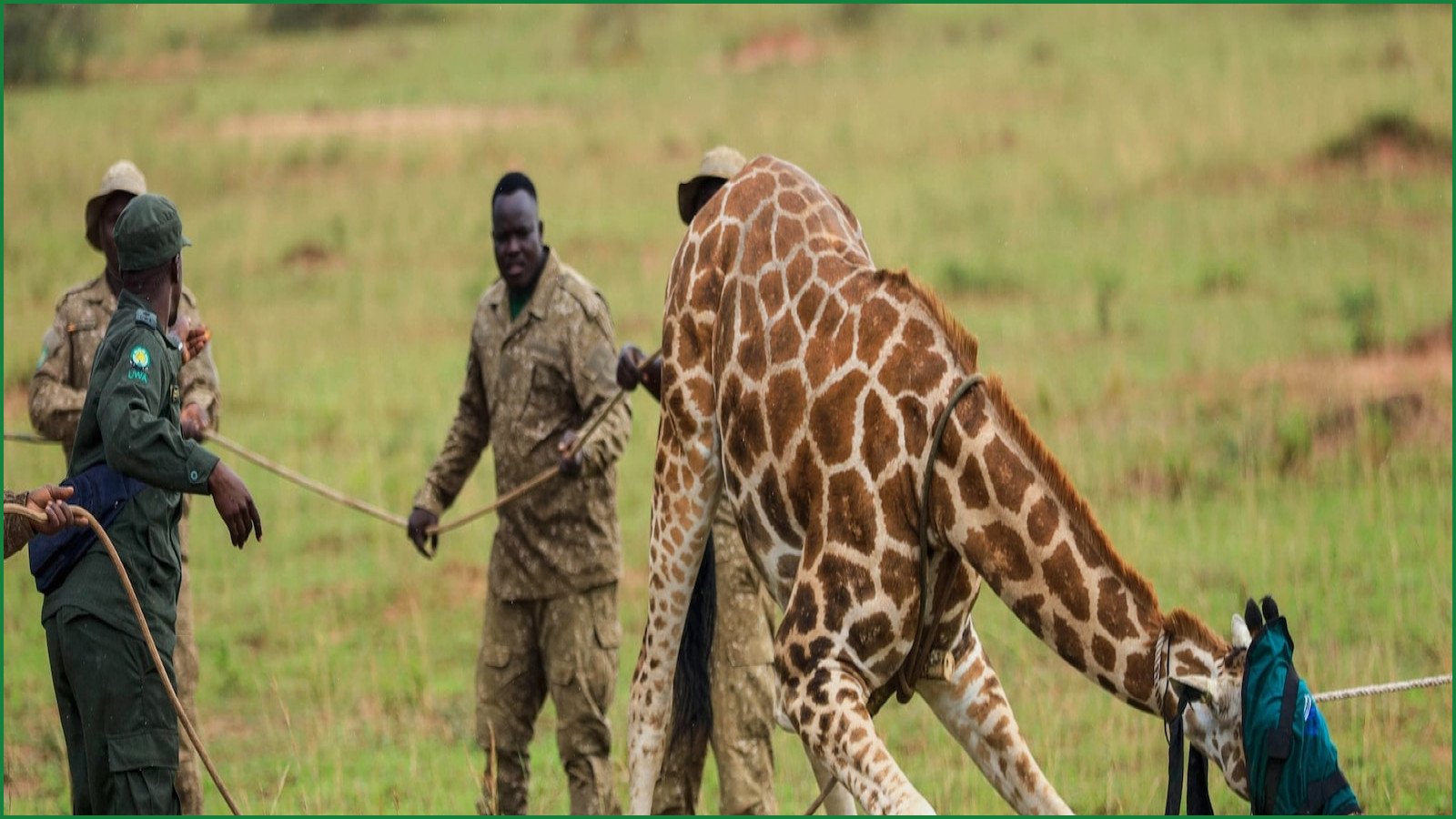
In a significant conservation effort, rangers at Murchison Falls National Park in Uganda have launched a mission to relocate 12 endangered Nubian giraffes. The project, which began on a Tuesday, involves transporting these animals—the tallest land mammals on Earth—106 kilometers (65 miles) to the Ajai Wildlife Reserve. The operation, expected to span several days, is designed to preserve the species' population, enhance regional biodiversity, and create new opportunities for tourism.
The necessity for this relocation stems from the intense industrial activity within Murchison Falls National Park, where an estimated 40% of Uganda’s oil deposits are located. Despite years of vocal opposition from environmentalists, heavy machinery and drilling operations have become increasingly common in the area. In June 2023, TotalEnergies officially commenced drilling for oil in the Tilenga project area, marking a major step in the country's push to produce its first oil.
Patrick Atimnedi, the assistant commissioner for veterinary services at the Uganda Wildlife Authority, led the translocation effort. He explained that establishing new populations in protected areas is essential to reduce pressure on the current habitat, which is suffering from significant damage. According to Atimnedi, the giraffes—which can grow up to 6 meters (20 feet) tall and weigh as much as 2,000 kilograms (4,400 pounds)—are facing a shrinking habitat due to oil and gas exploration, tourism development, climate change, bush encroachment, and invasive species. He described the decision to establish a seed population roughly 100 kilometers (62 miles) away as a vital conservation strategy.
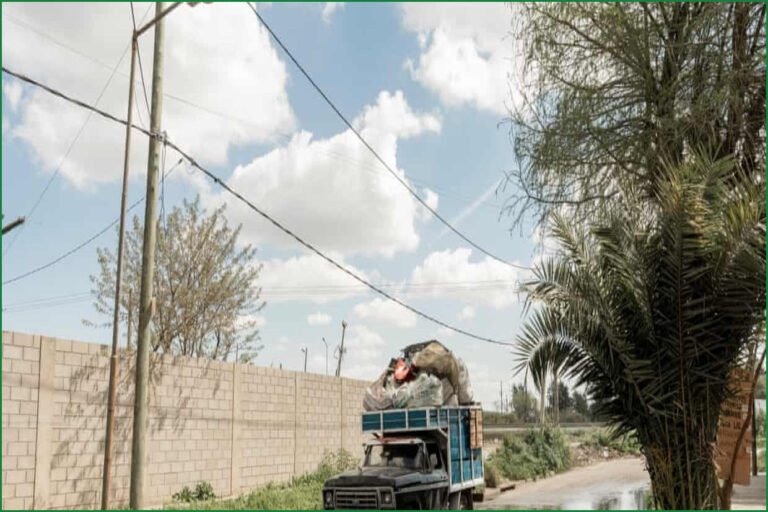
The translocation process began with a final briefing, after which officials carefully guided three giraffes into waiting trucks. To keep the animals calm during the journey, rangers mounted tree branches inside the vehicles for the giraffes to chew. Upon arrival at the 166-square-kilometer (64-square-mile) Ajai Wildlife Reserve, a team of a dozen rangers was ready to receive them. The reserve, which was established in 1937, had its wildlife population decimated by rampant poaching and prolonged insecurity during the early 1980s.
The introduction of the Nubian giraffes is a key component of an ongoing ecological restoration project at the reserve. Other species, including southern white rhinos, buffalo, zebras, and hundreds of Uganda kobs, have also been reintroduced to the area. Wilson Katamigwa, the senior warden in charge of Ajai Wildlife Reserve, noted that the reintroduced animals are thriving and multiplying, spreading both inside and outside the electric fence. He expressed confidence in the project, citing a strong working relationship with local district leadership.
Once the translocation is complete, local community members will be invited to the reserve to view the giraffes, which have been extinct in the region for decades. Katamigwa emphasized that the long-term goal is to grow the local economy and integrate the Madi Okollo district into the tourism sector. Local resident Moses Ayoti shared his enthusiasm for the project, noting that the community is vigilant and ready to protect the animals as a shared local asset.