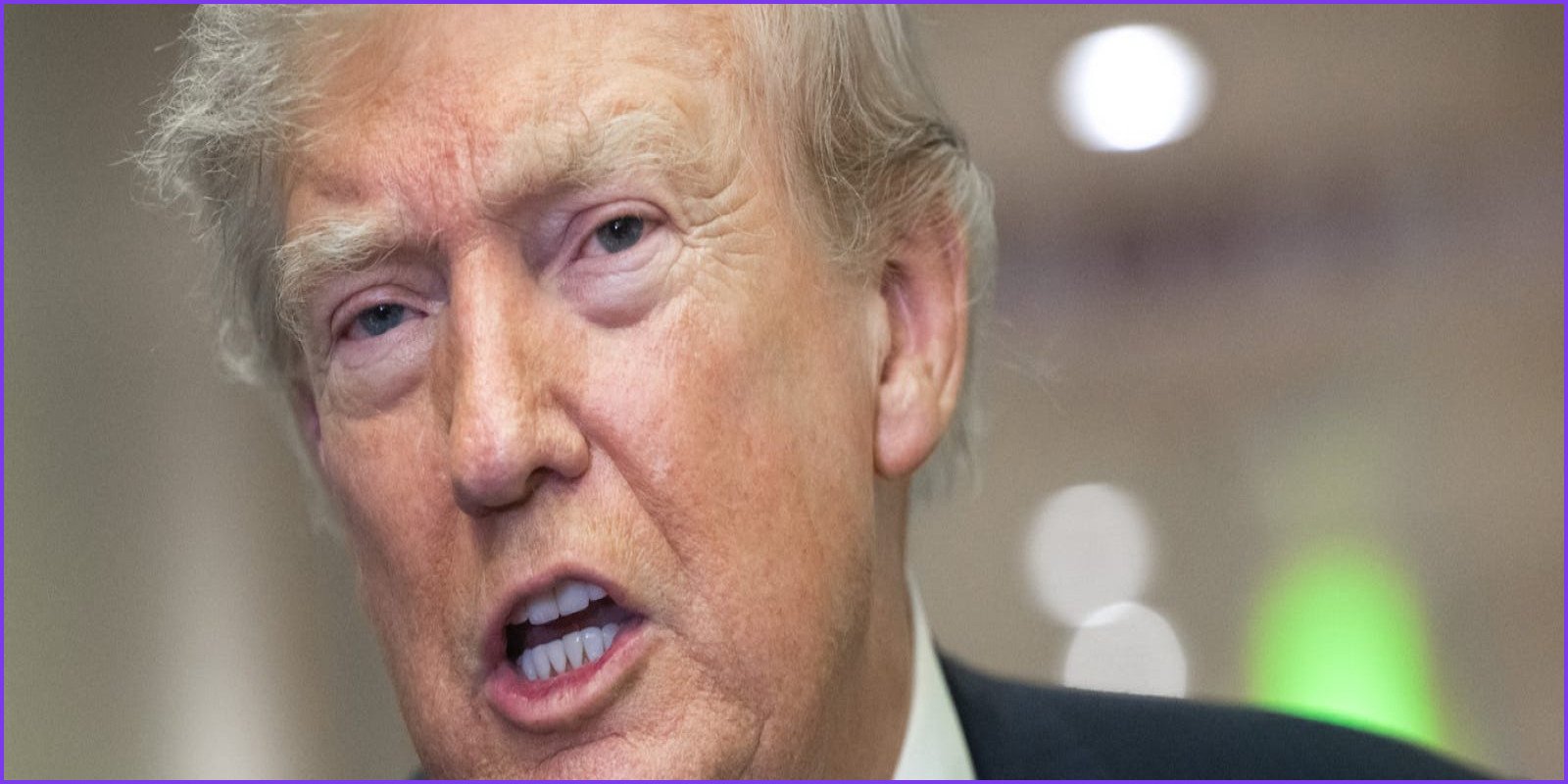
President Donald Trump announced on July 13 that the United States is moving to take operational control of the Strait of Hormuz, declaring that the U.S. will reinstate a naval blockade targeting Iran. In a phone interview with Fox News, the president stated, "We're taking over the strait. They've got nothing," while asserting that the U.S. would seek reimbursement from other Middle Eastern nations for the costs associated with securing the critical oil corridor.
This development follows a series of military exchanges between the two nations. On July 12, the U.S. launched a new round of strikes against Iran after Tehran reportedly targeted American facilities throughout the Persian Gulf and declared that it had closed the strait. These events have effectively dismantled an interim agreement signed in June, which had intended to reopen the waterway and provide a 60-day framework for further negotiations to end the conflict.
In a post on Truth Social, Trump confirmed his intention to renew the blockade to prevent Iranian vessels from utilizing the passage. He emphasized that while the strait remains open to other nations, the blockade is specifically designed to stop Iranian ships and customers. "The U.S.A. will be, from this point forward, known as 'THE GUARDIAN OF THE HORMUZ STRAIT,'" the president wrote, adding that the U.S. might also be referred to as the "guardian angel of the strait."
To fund these operations, the administration plans to charge countries a fee equivalent to 20% of the value of all cargo passing through the region. Trump described this as a necessary step to cover the costs of providing safety and security in a volatile part of the world. He expressed confidence that regional allies would pay these fees, noting that those nations are "very wealthy" and "on our side." However, it was not immediately clear whether U.S. allies in the Middle East had agreed to pay the cargo fees under Trump's reimbursement plan. These latest escalations have raised significant concerns regarding the potential for a wider regional conflict and disruptions to global markets.
Reach Joey Garrison on X @joeygarrison.