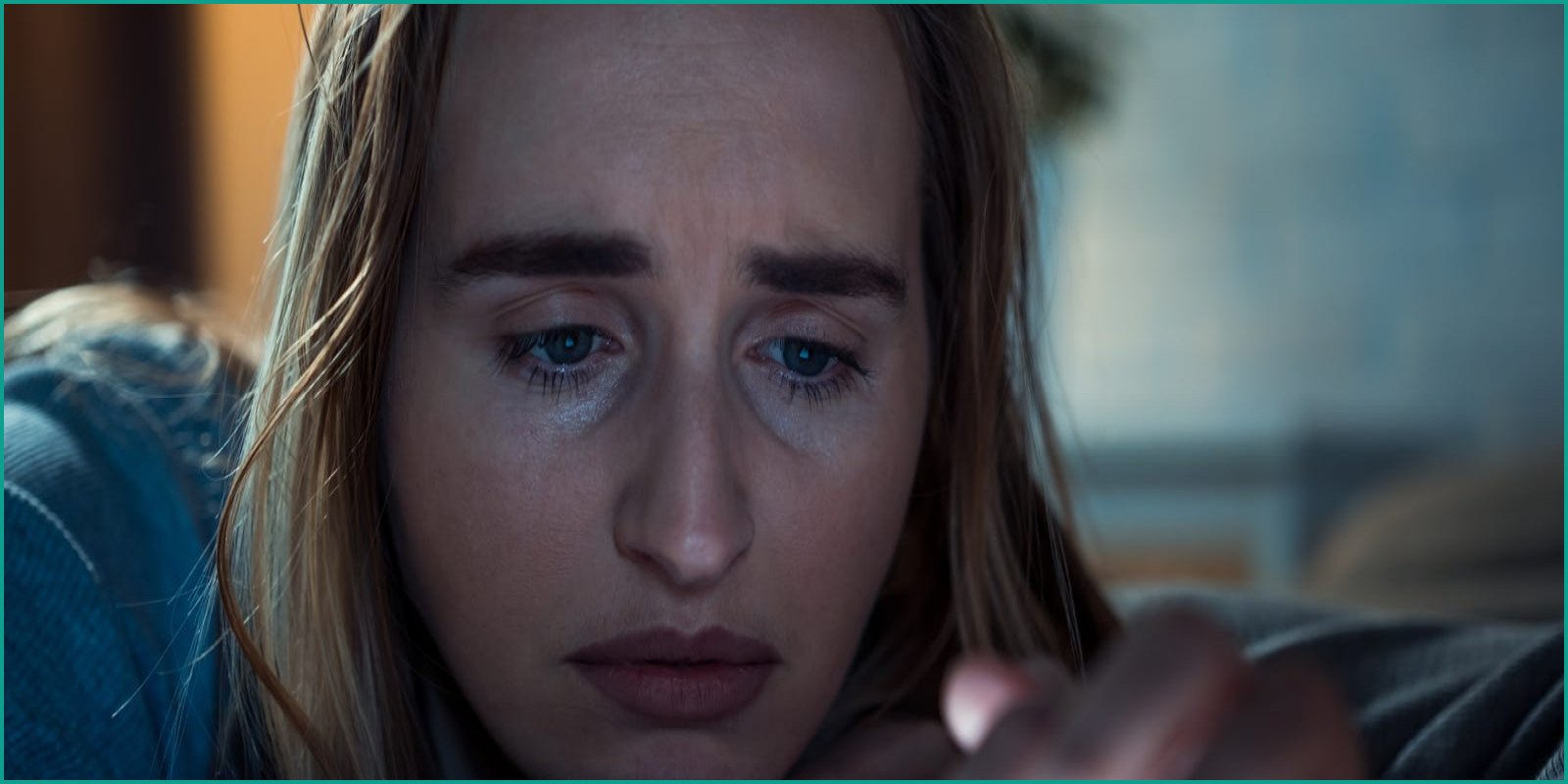
Content creators on TikTok frequently post videos with titles like "Things people don’t realize are symptoms of anxiety," "Signs of inattentive ADHD in the workplace," or "Five physical things you didn’t realize were signs of depression." While these clips are ubiquitous, they are increasingly leaving users convinced they suffer from serious illnesses or disorders. This phenomenon is often referred to as "cyberchondria," a term describing the extreme anxiety triggered by the compulsive searching for medical information online, a modern evolution of the behavior once associated with "Dr. Google."
A June 23 survey conducted by the academic writing help platform EduBirdie highlights the scale of this issue among younger generations. The study, which surveyed 2,000 Gen Z adults, found that nearly half of Gen Zers report that health content on TikTok makes them feel anxious. Furthermore, the line between legitimate medical advice and misinformation is becoming increasingly blurred; nearly half of Gen Z respondents indicated they trust a health expert on TikTok more than a traditional doctor. This shift is particularly significant given that Gen Z is the first generation to grow up fully immersed in social media. According to Pew Research, while only 3% of Americans aged 65 and older regularly consume news on TikTok, that figure rises to 43% among Gen Z.
The consequences of this digital consumption are stark. According to the EduBirdie study, nearly nine in 10 participants suspected they had at least one condition—such as depression, ADHD, or cancer—after viewing health content online. Specifically, 38% of participants feared they were dying after watching health videos, and 21% came to believe they had cancer. This anxiety can manifest in tangible physical symptoms, including increased heart rate, shortness of breath, and difficulty sleeping, as noted by Harvard Health and Northwestern Medicine.
Dr. Christopher Pittenger, a professor of psychiatry at the Yale School of Medicine and director of the Yale OCD Research Clinic, explains that cyberchondria becomes a problem when the worry persists even after receiving reassurance. He describes a feedback loop where a patient might visit a doctor after seeing concerning information online, receive a clean bill of health, and then continue searching for answers to satisfy their anxiety. "I would call it a problem if the worry feeds on itself, and you get sort of caught in a spiral of continued searching and worrying," Pittenger says. He notes that while cyberchondria has existed as long as the internet, the current 24/7 access to social media means information reaches users more quickly, sometimes even when they are not actively looking for it.
The digital landscape is further complicated by the rise of creators offering health advice without relevant credentials, or those with financial incentives to promote specific products. This makes it difficult for users to distinguish between trustworthy information and misleading claims. Dr. Pittenger warns that the belief that one can become an expert by reading a one-paragraph description or watching a 90-second video "helps set the stage for self-diagnosis." He also points out that AI chatbots are adding another layer of medical information to feeds, while external factors like public health outbreaks, the deaths of high-profile figures, and daily stress can exacerbate the condition.
Despite the prevalence of self-diagnosis, experts urge caution. The EduBirdie study found that more than half of respondents visited a doctor because something on TikTok caused them worry, yet at least 70% of those visits ended up being a false alarm. Margaret Sibley, a professor of psychiatry and behavioral sciences at the University of Washington School of Medicine, has observed a shift in how patients approach evaluations. Before the pandemic, adults typically sought ADHD evaluations after recognizing traits in themselves that led to a child's diagnosis. Now, more people are self-referring after connecting their own experiences to ADHD symptoms they encounter online. Sibley expresses concern over the credibility of these diagnoses, noting that social media videos often over-simplify complex diagnostic criteria. She warns that if diagnostic standards appear so flimsy that anyone could present themselves as symptomatic, it will only create further confusion.