The Central Bank of Russia has significantly adjusted its economic outlook for 2026, lowering its GDP growth forecast to between 0.0% and 1.0%, down from the previous expectation of 0.5% to 1.5%. The downward revision also impacts the projection for the fourth quarter, which has been reduced from a previous range of 1.0–2.0% to 0.0–1.5% year-on-year.
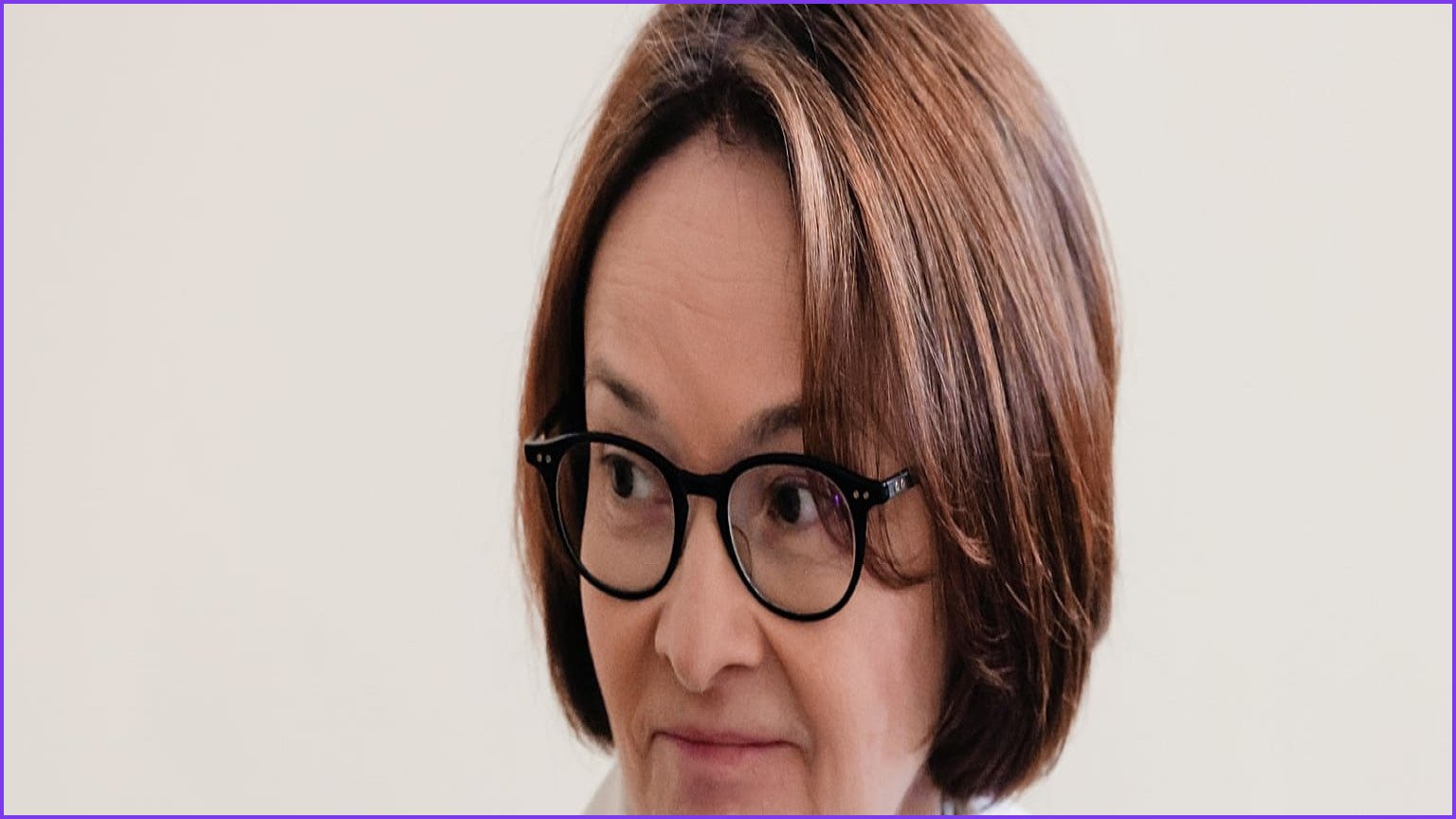
Elvira Nabiullina, the head of the Bank of Russia, attributed the change to a temporary reduction in economic capacity. During a press conference, she noted that real-time data indicates companies are anticipating a slowdown in demand. The regulator expects that fuel production capacity will gradually be restored by the end of the year, though these efforts face ongoing challenges.
Inflationary pressures have also intensified, with the central bank now expecting inflation to reach 6–7% in 2026, a sharp increase from its earlier forecast of 4.5–5.5%. The bank explicitly linked this shift to the significant rise in fuel prices that has already occurred. Nabiullina acknowledged that the current fuel situation constitutes a supply shock. Since mid-May, fuel price growth has accelerated, leading to shortages in several Russian regions throughout June following Ukrainian strikes on oil refineries.
The central bank warned that inflation expectations among households, businesses, and financial market participants have risen, which could hinder efforts to achieve a sustained slowdown in price growth. Some analysts suggest that inflation could climb even higher by the end of the year, potentially exacerbated by ongoing Ukrainian strikes on Russian logistics centers. These operations continued recently, with reports of Ukrainian drones striking an oil refinery in Tyumen, a logistics facility in Yekaterinburg, and a fuel and lubricants depot in Rostov-on-Don this past Saturday.