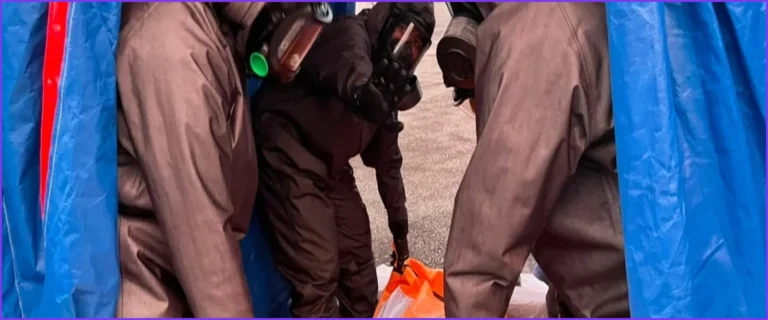
Nato is intensifying efforts to provide Ukraine with the air defense systems it urgently requires, according to the alliance's secretary general. This commitment follows a significant failure in Ukraine's defense capabilities on Wednesday, when the country was unable to intercept a single ballistic missile out of 24 launched by Russia. While Ukrainian air forces successfully downed 98 of 115 drones fired overnight, the ballistic strike resulted in at least 17 deaths.
President Volodymyr Zelenskyy addressed the situation during a National Security and Defense Council meeting focused on winter resilience. He expressed concern that the recent decline in missile supplies from Western allies—which dropped to one-third of 2025 levels during the first half of 2026—might be a strategy to pressure Ukraine into making concessions during potential peace talks. Following a meeting with Nato’s Mark Rutte, Zelenskyy urged partners to eliminate bureaucratic hurdles, emphasizing that the lives of Ukrainian citizens depend on the resolve of the United States and Europe.
The threat is expected to intensify as winter approaches, with Zelenskyy warning that Moscow is significantly boosting its ballistic missile production. Serhii Beskrestnov, an adviser to the president on defense technology, estimated that Russia now possesses the capacity to launch 100 ballistic missiles monthly, targeting industrial facilities, logistic hubs, food stores, and warehouses. He described the conflict as having entered a new phase of attrition.
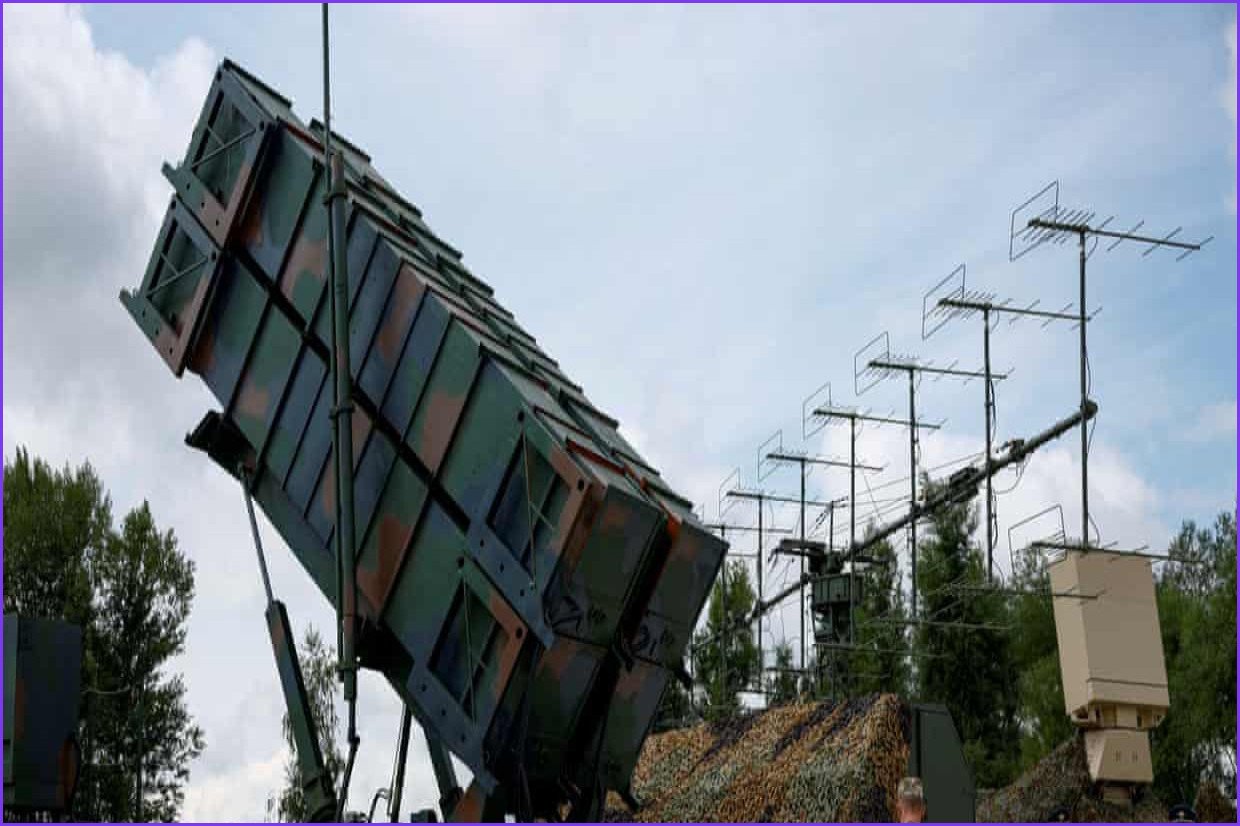
Ukraine faces a chronic shortage of US-made Patriot interceptors, which are currently the only systems in its arsenal capable of neutralizing advanced Russian threats such as the Iskander-M, S-400, and Zircon missiles. This scarcity has been exacerbated by the US-Israel war on Iran, which has depleted global interceptor stockpiles. Industry estimates suggest the US Patriot inventory has fallen by at least 65% since the conflict began, and while the Pentagon maintains it holds a deep reserve, production capacity remains unable to immediately bridge the gap. Lockheed Martin is working toward an annual capacity of 2,000 interceptors by the end of 2030, but current demand remains high.
Nato noted that Europe's first Patriot production facility is slated to open in Germany this September. Meanwhile, discussions regarding the potential for Ukraine to produce its own components for final assembly elsewhere in Europe remain ongoing. Although Donald Trump recently suggested at a Nato summit that the US might provide a production license, he later indicated that no final decision had been reached, and experts caution that domestic production would take years to implement.