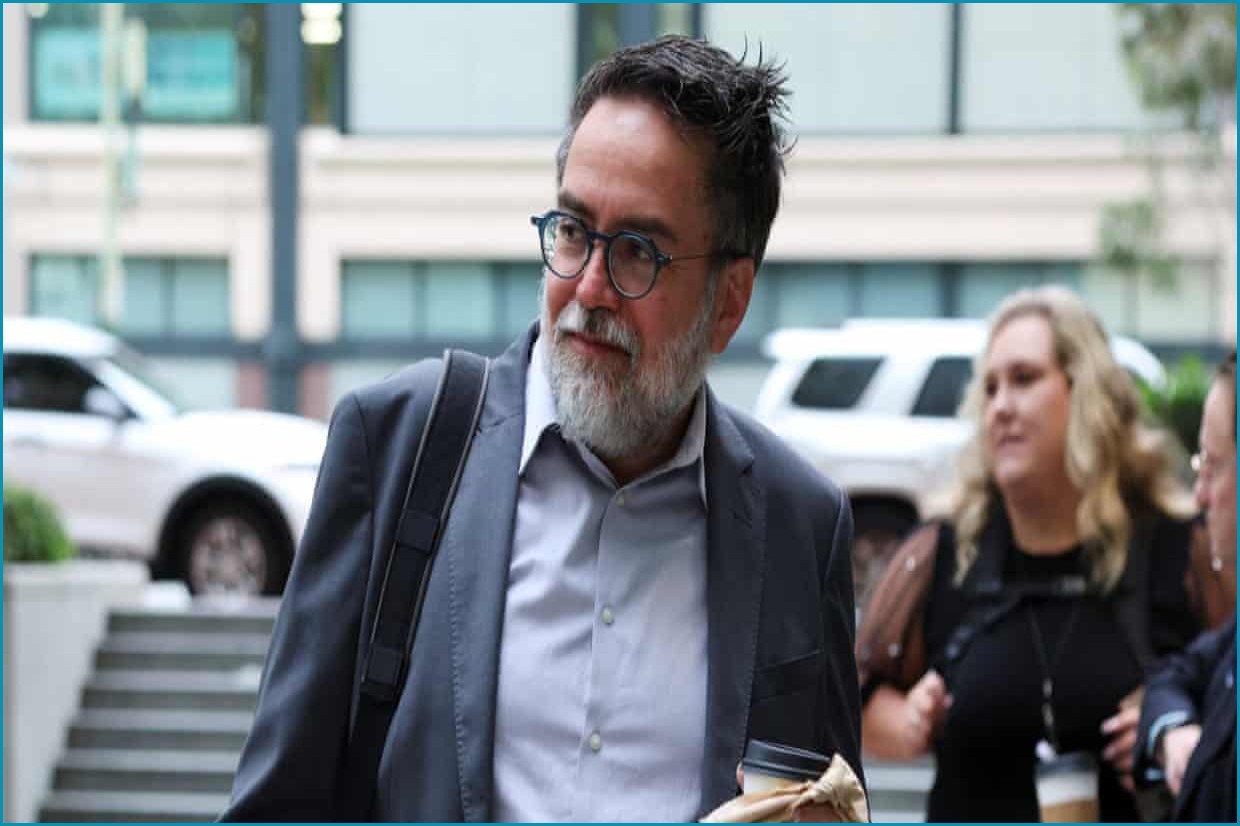
During a landmark federal trial in Oakland, California, whistleblower Arturo Béjar testified that Meta has employed a "don't ask, don't tell" approach to child safety on its social media platforms. Béjar, a former senior safety engineer at Meta, told the jury on Tuesday and Wednesday that the tech giant was fully aware of the potential harms its products posed to young users, including algorithmic recommendations that pushed content from sexual predators as well as graphic and violent imagery. Despite repeatedly raising these issues with top Facebook and Instagram executives, Béjar said very little was done to resolve them.
Béjar's testimony directly targeted Meta CEO Mark Zuckerberg. The former engineer estimated that he briefed Zuckerberg at least 100 times on product safety issues during his tenure. In 2021, Béjar sent an email to Zuckerberg warning of widespread reports of harmful content and the damaging effects of Facebook and Instagram on teenage wellbeing. The email was sent after Zuckerberg publicly claimed that Meta does not prioritize profits over safety. Béjar testified that he felt the CEO's public comments created a false and misleading impression of the company's commitment to young people. He sent the reports directly to Zuckerberg because, in his experience, "when Mark makes something a priority, mountains move." When asked by a government attorney if Zuckerberg ever responded, Béjar replied, "No, I didn't hear back from him."
The federal lawsuit, brought by 29 US state attorneys general, accuses Meta of deliberately designing addictive features that hook young users and cause them harm. The states also allege that the trillion-dollar company systematically collects data on children under the age of 13 without parental consent, violating both state and federal laws. If found liable, Meta could face up to $200 billion in damages—an amount equivalent to its 2025 annual revenue. Lawmakers are also seeking court orders to force Meta to redesign its products to ensure child safety, a move that could permanently alter its business model.
Meta denies all the allegations. During opening statements, Meta's attorney, Paul Schmidt, acknowledged that some users struggle with social media but argued that the company has actively developed tools to address these challenges. Schmidt stated that Meta prohibits children under 13 from registering accounts and has disabled more than 1 million underage accounts.
During his two days on the witness stand, Béjar explained how Meta's business model relies heavily on advertising revenue, which is driven by features like infinite scroll designed to keep users engaged. "On scroll, the more views you have, the more ads you sell, the more revenue you make," Béjar testified.
Béjar, who worked in senior safety roles at Meta for about eight years across two separate stints, has been a prominent critic of the company since his departure in 2021. He has previously testified before a US Senate committee and served as a witness in other child safety cases. He revealed that his initial motivation to address these issues internally came from his own teenage daughter's experiences on Instagram, where she received unsolicited sexual advances, photos of male genitals, and misogynistic abuse. When she tried to report the harassment through Instagram's standard reporting tools, she found the process to be either completely ineffective or impossible to complete.
This personal experience led Béjar to conduct surveys on teen experiences on Instagram. His research revealed that 51% of surveyed teens reported having a bad or harmful experience on the platform within the previous seven days. However, of those harmful experiences, the offending content was taken down only 0.02% of the time. Béjar testified that he shared these findings with Meta's top leadership, including Zuckerberg and Instagram CEO Adam Mosseri.
During cross-examination, Meta's attorney sought to downplay Béjar's critical testimony by highlighting his historically positive relationship with the company and its executives. The attorney asked Béjar if he had Zuckerberg's support, if he left the company on good terms, and if he remained proud of his work at Meta.
The six-week trial is expected to feature testimonies from other high-profile executives, including Zuckerberg and Mosseri, alongside experts in child mental health and addiction. Reams of internal Meta documents and emails have also been entered into evidence.