Jordan is convening an emergency meeting of foreign ministers from the Arab and Islamic world to address what it characterizes as an “imminent” threat of an Israeli takeover of the most significant religious site in Jerusalem. Officials in Amman warn that such actions could trigger a widespread religious conflict that would resonate far beyond the borders of Palestine and Jordan.
The upcoming meeting, scheduled for Wednesday, follows a series of government-backed incursions by Jewish religious extremists into the Al-Aqsa mosque and Dome of the Rock compound. These actions are seen as a direct violation of a long-standing status quo treaty overseen by Jordan’s Hashemite monarchy, which mandates that only Muslims may pray at the site. On 23 July, more than 2,000 Israelis, including individuals led by national security minister Itamar Ben Gvir, entered the compound, where they performed prayers and rituals. Jordanian officials have described this event as the most severe violation in modern history.
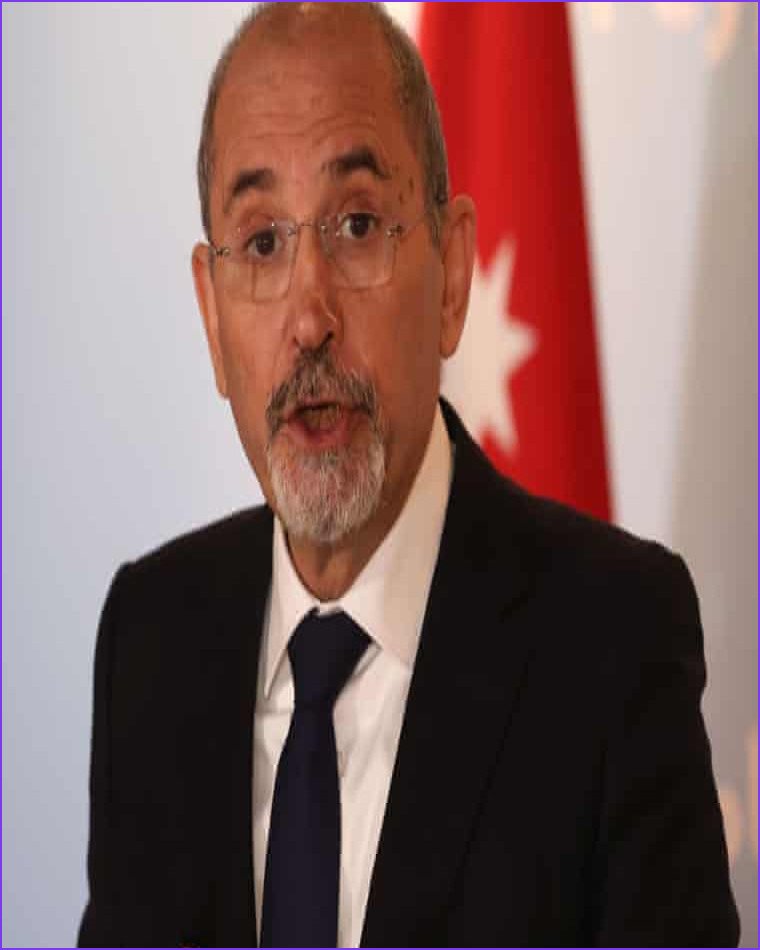
Jordanian Foreign Minister Ayman Safadi, who will host the emergency summit, stated that the country is attempting to counter this “constant, dangerous threat” through every available legal avenue. The meeting will bring together counterparts from Arab League nations, alongside representatives from Turkey, Indonesia, Malaysia, and Pakistan. Safadi emphasized that the international community must remain aware of the volatility of the situation, describing Jerusalem as a “tinderbox.”
Tensions are further exacerbated by a recent recruitment drive for a specialized Temple Mount police unit, with Jordan bracing for further challenges during the Jewish holidays in September. These events coincide with an intense Israeli election campaign, in which Prime Minister Benjamin Netanyahu’s coalition is working to maintain power. Jordan’s custodianship of the site is deeply rooted in history, dating to Ottoman times and reaffirmed by the 1878 Treaty of Berlin, the 20th century expansion to Christian sites, and the 1994 Israeli-Jordanian peace treaty.
Beyond the religious site, Amman is deeply concerned about the broader campaign in the West Bank, particularly regarding the potential for mass displacement of Palestinians. Safadi reiterated that any attempt at displacement is a “red line” that will not be tolerated. Such a move, he noted, would violate international law and represent a massive escalation. This concern is heightened by Jordan’s demographic reality, as over half of its 11.5 million residents are of Palestinian descent.
Economic and security relations with Israel have also deteriorated. Israel has declined to renew a 2021 water-sharing agreement, under which it shared 100 million cubic meters a year, reverting to the lower 50 million cubic meters stipulated in the 1994 treaty, a reduction that leaves the water-scarce nation struggling to meet the needs of its growing population. Meanwhile, domestic political pressure is mounting within Jordan, exemplified by the rise of the Umma party—formerly the Islamic Action Front—which gained more than 22% of the available seats following the Gaza war. While the party has criticized the government for not exerting enough international pressure, it maintains alignment with the state regarding national security, even as 32% of the public remains skeptical of the current 20-year security trajectory.
The presence of US forces on Jordanian soil has become a point of contention. Although historically viewed as a security guarantee, the U.S. military presence has increasingly become a political liability, especially as the Jordanian air force has participated in defending Israel against Iranian drone and missile strikes. Recently, prominent Jordanian figures signed an open letter calling for the withdrawal of these forces, citing concerns that the current arrangement exposes the country to unnecessary security and political risks.
Tahboub said there was more the government could be doing to rally international support to resist Israel’s encroachments.