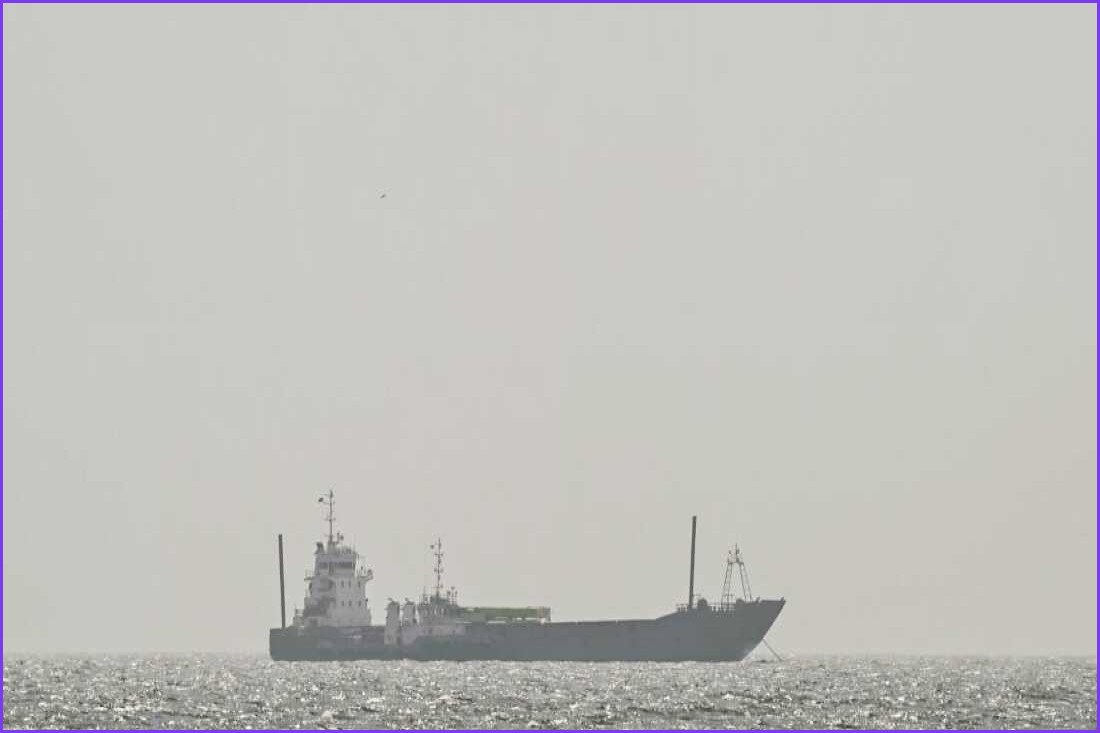
The Iranian parliament is currently reviewing a legislative proposal that would effectively bar ships connected to the United States, Israel, and other nations Tehran designates as "hostile" from navigating the Strait of Hormuz. According to Iranian state media, this measure is intended to remain in place until Iran receives compensation for damages incurred during the ongoing conflict.
The proposed plan includes the implementation of significant financial penalties, specifically calling for toll fees reaching up to 7% of a vessel's total cargo value for those transiting the waterway. Furthermore, ships found in violation of these newly proposed conditions would face fines equivalent to 20% of their cargo value. These developments occur more than five months after the military conflict between the U.S., Israel, and Iran began on February 28.
In a separate diplomatic move, Iran announced on Wednesday that it is finalizing a shipping route agreement with Oman. Under this arrangement, ships would be directed to enter the strait via a northern corridor near the Iranian coastline and depart through a southern corridor near the coast of Oman. However, the Trump administration has challenged Iran's interpretation of this agreement. An anonymous U.S. official told reporters that any temporary routes would operate without impediments, emphasizing that the Strait of Hormuz is an international waterway where no single party holds the authority to control transit lanes or impose tolls. President Trump has asserted that the U.S. maintains control over the strait through its current naval blockade.
The conflict has severely disrupted global trade, particularly for crude oil and liquefied natural gas, leading to increased prices and economic instability worldwide. While the strait remained open before the war, the situation shifted after joint military strikes by the U.S. and Israel prompted retaliatory actions from Tehran, which subsequently asserted control over the passage. This led to U.S. naval blockades in April and July. Although both sides signed a temporary memorandum of understanding in mid-June to reopen the route, the agreement collapsed weeks later due to renewed hostilities. Recent updates from Thursday indicate that negotiations to reopen the strait are ongoing, with the Turkish foreign minister suggesting that a new temporary agreement might be announced soon.