Iran is currently in the final stages of drafting a formal agreement with Oman concerning the strategic Strait of Hormuz, according to Iranian Foreign Ministry spokesperson Esmail Baghaei. During a briefing on Wednesday, Baghaei indicated that the two nations could issue a joint statement regarding the waterway, provided that certain parties—an apparent reference to the United States—do not obstruct the process.
The proposed arrangement is reportedly contingent upon the U.S. lifting its current blockade on Iranian ports.
A U.S. official, speaking on condition of anonymity because they were not authorized to speak publicly, stated on Thursday that any temporary routes established through the strait would function without impediments such as tolls, charges, permissions, or approvals. The official noted that the waterway has remained largely accessible to shipping.
Before the onset of the war, which began with U.S. and Israeli strikes on Iran in February, the Strait of Hormuz served as a vital transit point for approximately one-fifth of the world’s traded oil and natural gas.
Data from the maritime firm Lloyd’s List Intelligence indicates that at least two vessels were struck in the strait over the past week, with several others reporting warnings or near misses from entities claiming to represent Iran’s Revolutionary Guard. While vessel traffic rose to 84 transits during the week of July 27 to Aug.
2, this volume remains significantly lower than the more than 700 weekly transits recorded before the current crisis. The company also noted that Yemen’s Iran-backed Houthi rebels continue to claim attacks on ships in the Red Sea, though these claims could not be independently verified.
Simultaneously, the region faces a major escalation in violence. In Yemen, Iran-backed Houthi rebels claimed responsibility for a series of strikes in the central and eastern provinces of Marib and Hadramout, which killed at least 30 government troops and wounded at least 50 others. A Houthi leader alleged that Saudi-backed troops were targeted and that “hundreds” were either killed or injured in the assaults.
Following these events, the Houthis launched further attacks in Saudi Arabia’s southern Najran region on Thursday, resulting in injuries to more than 10 civilians, including a 4-year-old child. Saudi military spokesman Turki al-Malki confirmed that the wounded included seven Saudi nationals, two Egyptians, one Yemeni, and one Pakistani expatriate.
These back-to-back attacks mark a significant escalation since a 2022 truce largely halted fighting in the civil war, which pits the Iran-backed Houthis against a Saudi-led coalition allied with Yemen’s internationally recognized government.
Yemen has been embroiled in this conflict since 2014, when the Houthis seized the capital, Sanaa, and much of northern Yemen, prompting the Saudi-led coalition to intervene the following year.
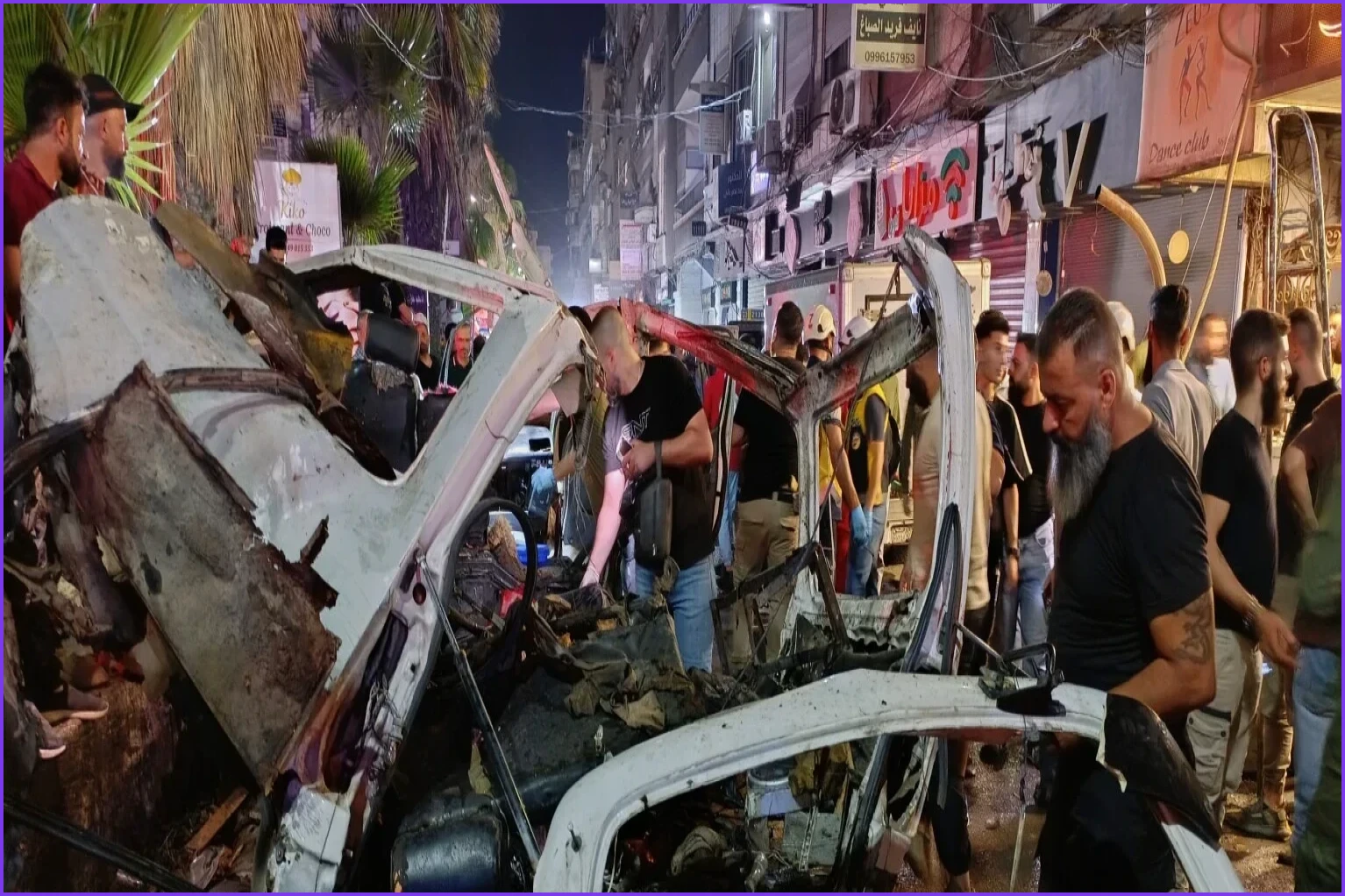
In southern Lebanon, the Israeli military reported that two soldiers were killed and another four were seriously wounded in an explosion on Thursday. These deaths represent the first such casualties since a shaky truce was implemented in June between Israel and the Iran-backed Lebanese militant group Hezbollah.
Israel responded to what it described as a ceasefire violation by launching strikes in southern Lebanon and issuing a call for residents of another village to flee, marking the first such warning Israel has issued in weeks.
Elsewhere in the region, Ugandan authorities gained parliamentary approval on Thursday to deploy troops as part of the International Stabilization Force for Gaza. The 20,000-strong force, proposed by U.S. President Donald Trump’s Board of Peace in February to ensure “future prosperity and enduring peace,” has not yet materialized.
Several other countries pledged troops to the mission, including Morocco, Kazakhstan, Kosovo, and Albania, while Indonesia has since put its commitment on indefinite hold.
The Gaza ceasefire has stalled, as Israeli Prime Minister Benjamin Netanyahu stated this week that Israel will not withdraw from its current lines in Gaza until Hamas has completely disarmed.
In the occupied West Bank, Israeli prosecutors have charged a settler, Yinon Levi, with reckless manslaughter in the death of prominent Palestinian activist Awdah Hathaleen in July 2025. The indictment also charges Levi with armed trespassing and malicious property damage. It is extremely rare for Israel to charge settlers with violence against Palestinians.
The Israeli rights group B’Tselem stated that the charges against Levi mark the first time since Hamas’ Oct. 7, 2023, attack that an Israeli has been indicted for the death of a Palestinian in the West Bank. During that same period, the group reported that Israeli settlers and soldiers have killed at least 1,100 Palestinians in the territory.
Meanwhile, several powerful, Iran-backed armed factions have rejected calls to surrender weapons or dissolve their organizations, maintaining their commitment to the “option of resistance.” This follows strikes launched by Saudi Arabia and the U.S. on Iraq last week after Riyadh accused Iraqi militias of using drones to attack its oil facilities.