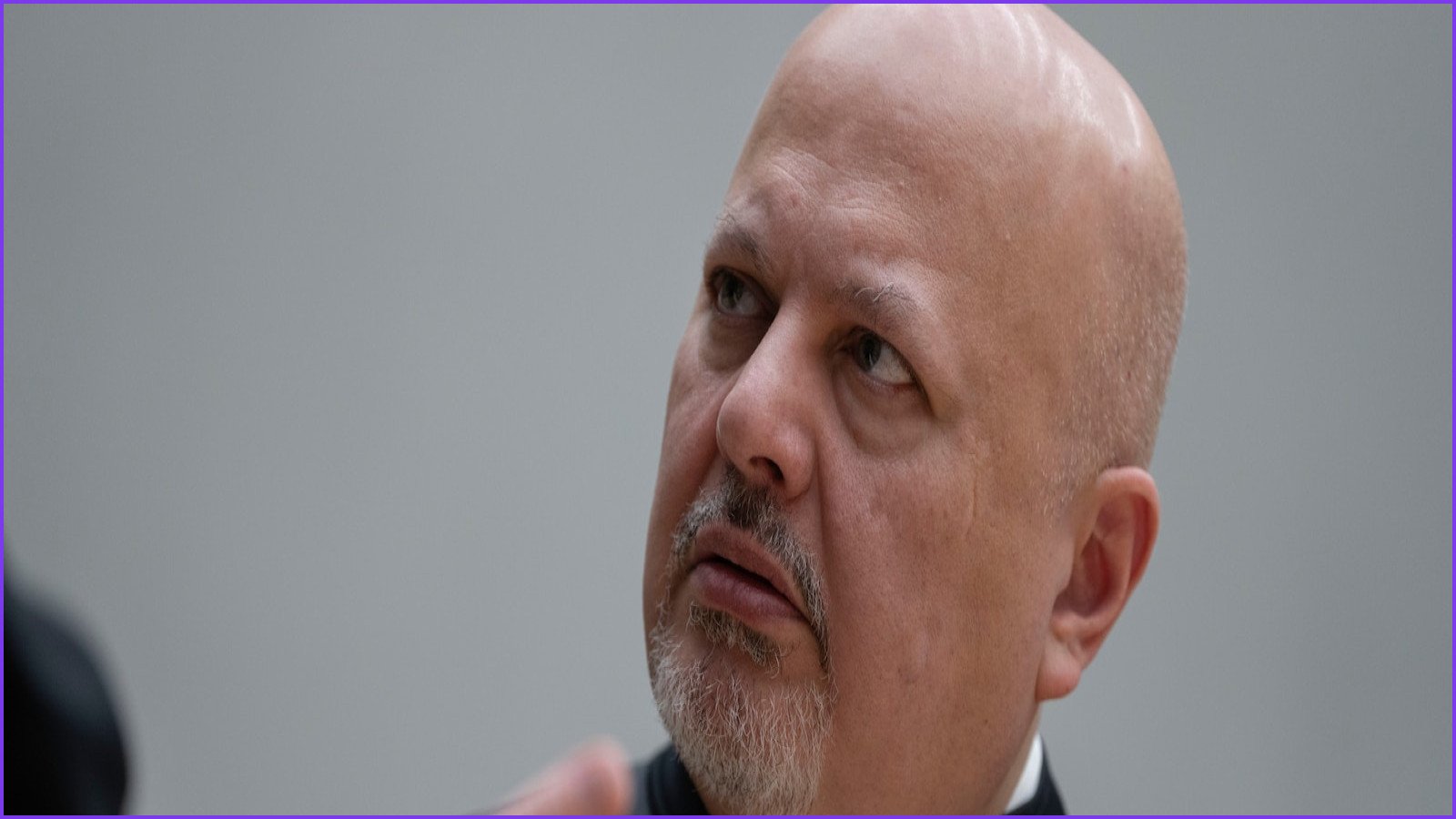
Diplomats representing 125 nations are convening at United Nations headquarters in New York this Friday for a pivotal and unprecedented session to determine the future of International Criminal Court (ICC) Chief Prosecutor Karim Khan. The 56-year-old British barrister is facing a formal removal vote following allegations of sexual misconduct involving a female aide, claims that have persisted for over two years and which he continues to deny.
The controversy reached a critical point in June when the executive committee of the court’s oversight body, the Assembly of States Parties (ASP), formally removed Khan from his duties. The committee determined that he had committed a “serious breach of duty and serious misconduct” by engaging in a sexual relationship that allegedly escalated over time, further accusing him of attempting to obstruct the complainant from pursuing her case. Khan has disputed these findings, yet his professional standing remains severely compromised; he is currently suspended by the British Bar Standards Board, which has barred him from practicing law in his home country of the United Kingdom pending its own investigation.
A significant procedural hurdle complicates the proceedings: Khan is barred from entering the United States due to sanctions imposed by the Trump administration. These sanctions were enacted in response to the ICC’s investigation into Israeli military conduct in the Gaza conflict, which included the issuance of arrest warrants for Prime Minister Benjamin Netanyahu and former Defense Minister Yoav Gallant on charges of crimes against humanity. Khan’s legal representatives, Tayab Ali and Sareta Ashraph, have criticized his inability to attend the closed-door proceedings, arguing in a letter to the ASP that no fair legal system should deny a person the right to be heard when facing the highest level of professional sanction.
The outcome of the upcoming secret ballot remains uncertain. To date, the Netherlands—the court’s host state—is the only nation to publicly confirm it will vote for his removal. The broader implications of this case have caused deep divisions within the institution. Iva Vukusic, a researcher at Utrecht University, noted that political considerations have become intertwined with the disciplinary process, particularly given that this is the first time a prosecutor has sought warrants against a Western ally. Meanwhile, internal staff sentiment is fragmented; a group of employees wrote to the oversight body in April, warning that Khan’s leadership had been materially diminished. Conversely, some Palestinian organizations have publicly accused the executive committee of engaging in unwarranted political interference and subverting the disciplinary process.
As the court navigates this period of intense scrutiny, the institution faces broader external pressure, including a campaign by the United States aimed at dismantling the 24-year-old tribunal. Should the vote result in Khan’s removal, the court will be required to elect a replacement at a later date, leaving the office to be managed by two deputy prosecutors in the interim. Experts warn that regardless of the vote's result, the court will emerge from this process significantly weakened and less capable of addressing global challenges.
(that) escalated over time” and tried to prevent the woman from pursuing her allegations, according to documents seen by The Associated Press.