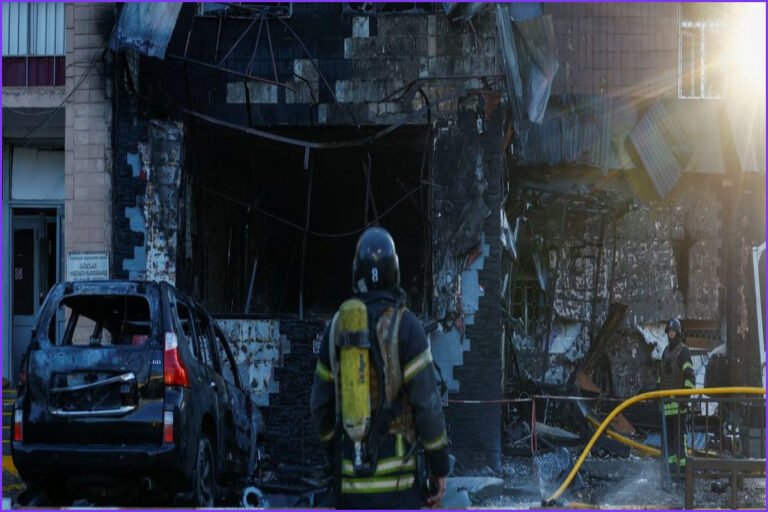
Tensions in the Middle East have intensified following a series of deadly Houthi strikes on military installations in Yemen and civilian areas in Saudi Arabia. On Thursday, Houthi rebels launched missile and drone attacks against military camps in the provinces of Marib and Hadramout, resulting in the deaths of at least 30 government troops, though some estimates suggest the toll could be as high as 58.
The Houthi movement claimed the strikes were a response to a significant Saudi military buildup, asserting that they had successfully destroyed weapons depots, vehicles, and military camps.
In response to the escalation, Yemen’s defence ministry vowed to retaliate at an appropriate time and place, while the nation's health minister directed medical facilities to bolster their capacity to treat wounded soldiers. Reports from Yemeni sources indicate that Saudi Arabia appears to be preparing for a major military offensive, potentially involving land and sea operations in central Yemen, intended to challenge the Houthi control over Red Sea shipping lanes and oil exports.
The violence extended beyond Yemen's borders on Friday morning when a Saudi official reported that Houthi forces indiscriminately shelled civilian areas in the southern Najran province. The attack injured 11 civilians, including a four-year-old child. Maj General Turki al-Maliki, spokesperson for the Saudi-led coalition, confirmed the victims included seven Saudis, one Yemeni, two Egyptians, and one Pakistani national.
He emphasized that the coalition remains committed to implementing necessary measures to protect the civilian population.
The broader conflict, which has persisted for over a decade, has seen a recent breakdown in the status quo. The Houthis, who maintain control over the capital, Sana’a, and much of the Red Sea coastline, declared a naval blockade of Saudi Arabia last month and have ramped up operations against Saudi Aramco energy facilities.
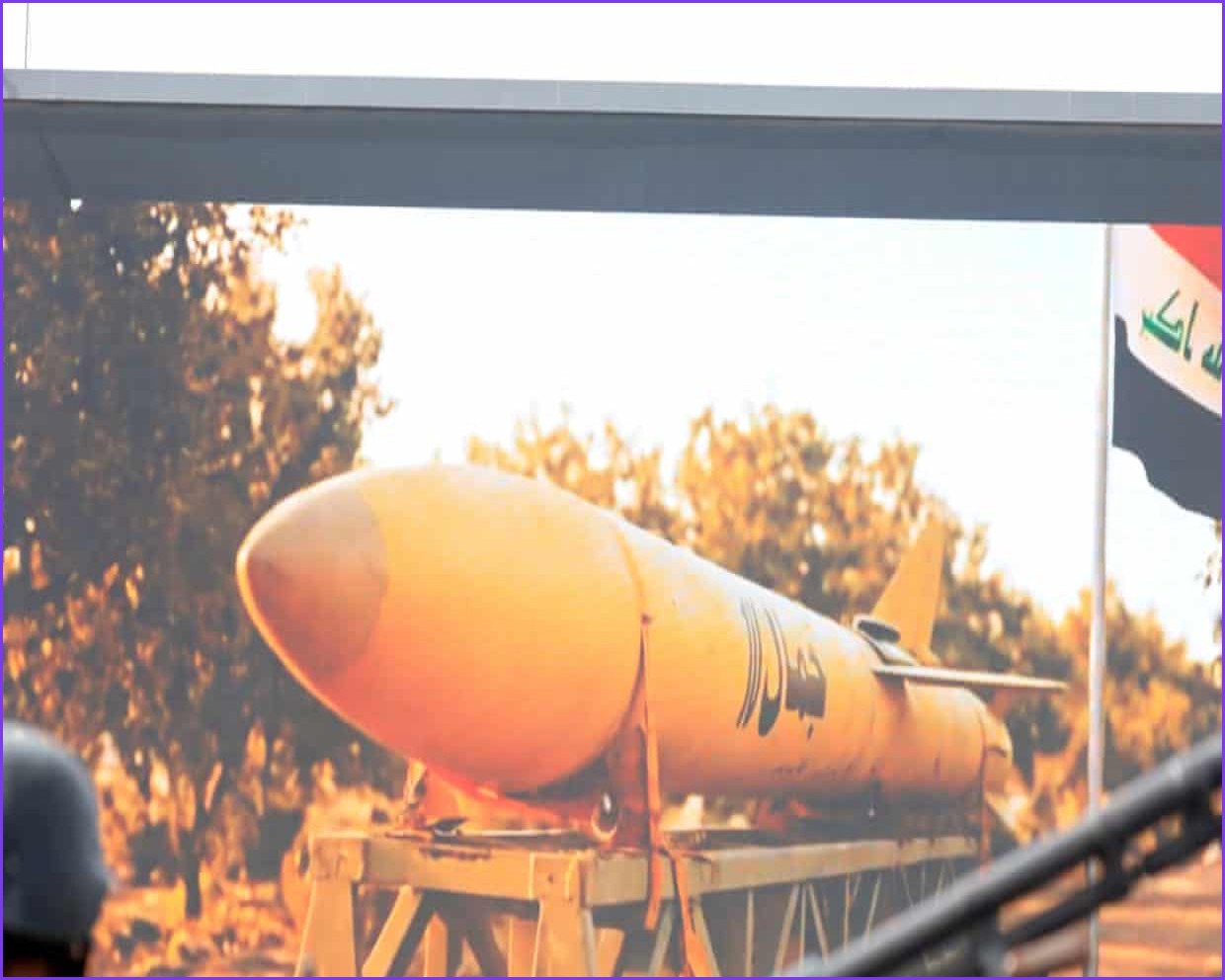
A senior Saudi official, speaking anonymously, warned that the kingdom expects coordinated, imminent attacks from both Iraqi militias and Yemeni Houthis, allegedly supervised by Iran’s Islamic Revolutionary Guard Corps.
Intelligence reports suggest these threats may target critical economic and civilian infrastructure, including airports, ports, and energy sites.
These developments occur against the backdrop of ongoing negotiations between Iran and Oman regarding the Strait of Hormuz, which are reportedly in the final stages. This agreement is expected to be contingent upon the United States lifting its blockade on Iranian ports.
The waterway remains a vital artery for global energy, accounting for approximately one-fifth of the world’s traded oil and gas prior to the current conflict, which began following US and Israeli strikes on Iran in February.