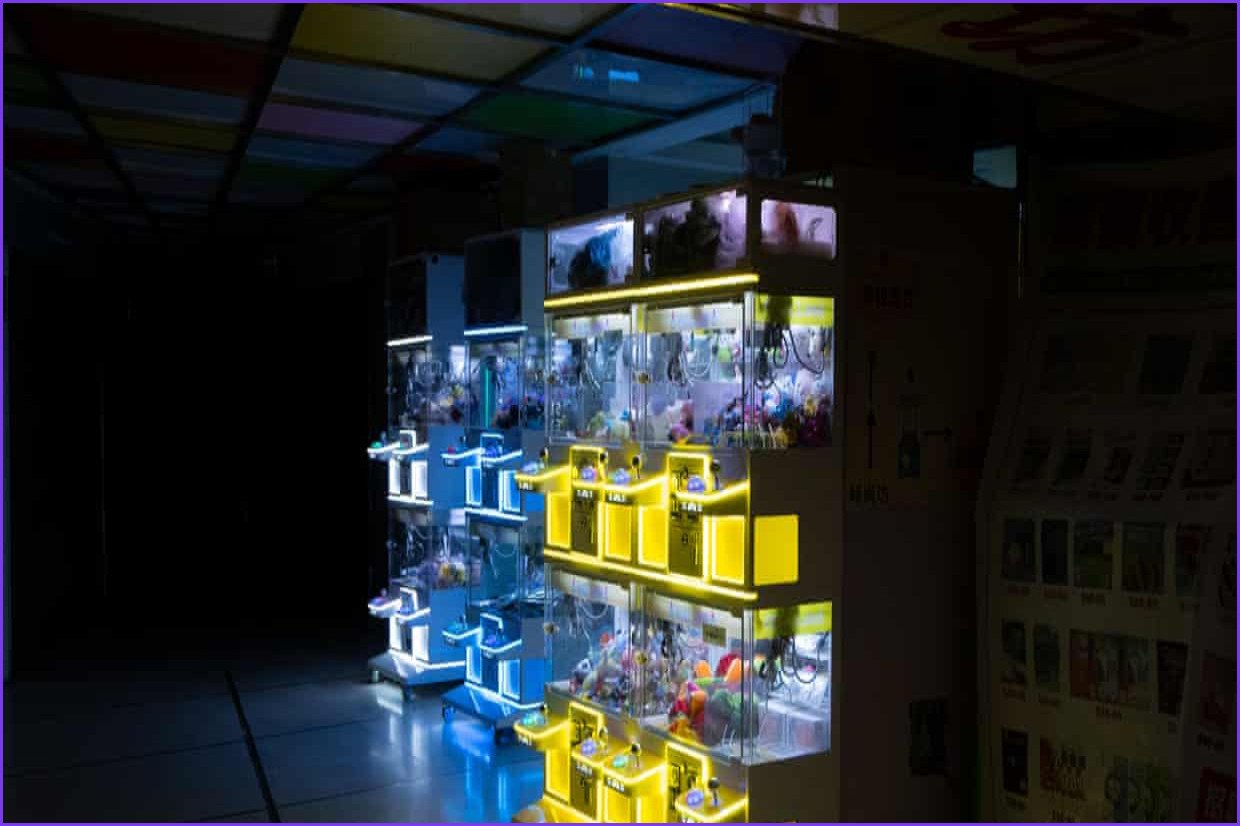
Claw machine shops have become a fixture of the Hong Kong landscape, with the number of venues surpassing 2,500. These arcades, often filling vacant retail spaces left behind by businesses that shuttered during the pandemic, offer a variety of prizes including plushies, Labubu dolls, and various Pokémon collectibles. Many of these locations operate 24 hours a day, drawing in players from all age groups.
For many residents, the machines serve as a stress-relieving escape. Ming Lee, a 38-year-old school cleaner who has collected roughly 100 plush toys over the past two years, says the thrill of a successful grab is the primary attraction. Similarly, 25-year-old kitchen worker and machine owner Ki Kwong views the activity as a way to connect with youth, noting that the machines provide a necessary outlet for those under pressure. He often includes notes like “Remember to be happy” on his machines and shares prizes with customers who do not win.
However, the rapid expansion of the industry has brought challenges. Some players have reported spending significant amounts of money; for instance, friends Jerry and Parco regularly visit arcades, with Parco noting he once spent over HK$4,000 at the Dragon Centre in Sham Shui Po. Concerns have also been raised regarding the fairness of the games. Serious players allege that some operators manipulate machines by using bamboo toothpicks, needles, or metal and plastic strips to narrow prize holes and slow down the crane, making winning more difficult.
Official data reflects this growing tension. The Hong Kong consumer council reported that complaints regarding claw machines rose from 16 in 2023 to 138 last year, with many customers alleging that operators intentionally lowered winning odds. In response to the trend, the home and youth affairs bureau proposed stricter regulations in May, which would include mandates for displaying addiction risk warnings. These efforts come after a 2022 court ruling exempted the machines from public entertainment licenses, effectively leaving the industry unregulated.
Despite these issues, some enthusiasts remain dedicated to the hobby. Hiu-ching, a 28-year-old radiographer, became so captivated by the experience that she eventually rented a machine to run her own stall. She admits that she often plays machines that function like a lucky draw, likening the process to rolling dice due to her own lack of skill.
“Visiting a claw machine shop is like escaping!” says Hiu-ching, a 28-year-old radiographer who became so enthralled with the game that she decided to rent a machine and operate her own small stall.
But for many Hongkongers, claw machines are a cheap way to relieve stress.