Sheikh Hasina, the 78-year-old former prime minister of Bangladesh, has declared her intention to return to her home country by the end of December. The announcement comes two years after she was ousted from power during a violent, student-led uprising that ended her 15-year tenure as the leader of the Awami League.
Speaking via audio link from a news conference held at the Foreign Correspondents’ Club of South Asia in Delhi, Hasina addressed the significant risks she faces upon her return. "They may put me in a cell. They may kill me. Anything may happen, but still I have to go," she stated. She specifically chose December for her return, citing it as Bangladesh’s "month of victory," which commemorates the defeat of Pakistani forces during the 1971 war of independence. "Whatever fate awaits me, I will return to my people," she affirmed.
Hasina has remained in India under high-level security since fleeing Dhaka. Her son, Sajeeb Wazed Joy, noted that she is being provided with the services and security typically afforded to a head of state, expressing gratitude for the support shown by Prime Minister Narendra Modi’s government. However, the Indian government has officially distanced itself from the news conference, stating it had no role in organizing the event and does not endorse the political views shared by the former leader. India has been navigating a complex diplomatic situation, attempting to improve relations with the new Bangladeshi government while resisting calls for Hasina’s extradition.
The current political climate in Bangladesh remains challenging for Hasina, as the Bangladesh Nationalist party, led by Tarique Rahman, took power earlier this year following an election that excluded the Awami League. The government has indicated that Hasina would likely face immediate arrest upon her return. Last November, a special international crimes tribunal sentenced her to death in absentia for crimes against humanity related to the violent crackdown on protests that began over government-job quotas. While the United Nations estimates that up to 1,400 people died during the unrest, supporters of Hasina claim the toll was closer to 800. Hasina has dismissed the court’s verdict as politically motivated.
Beyond her legal challenges, Hasina has called for the lifting of the ban on the Awami League, the release of political prisoners, and the dismissal of what she terms "false cases" against her party members. She has criticized the current administration for presiding over economic instability and alleged that they are threatening the country’s secular identity. Meanwhile, the government continues to attribute the nation's high inflation and economic difficulties to mismanagement and corruption during Hasina’s long period in office.
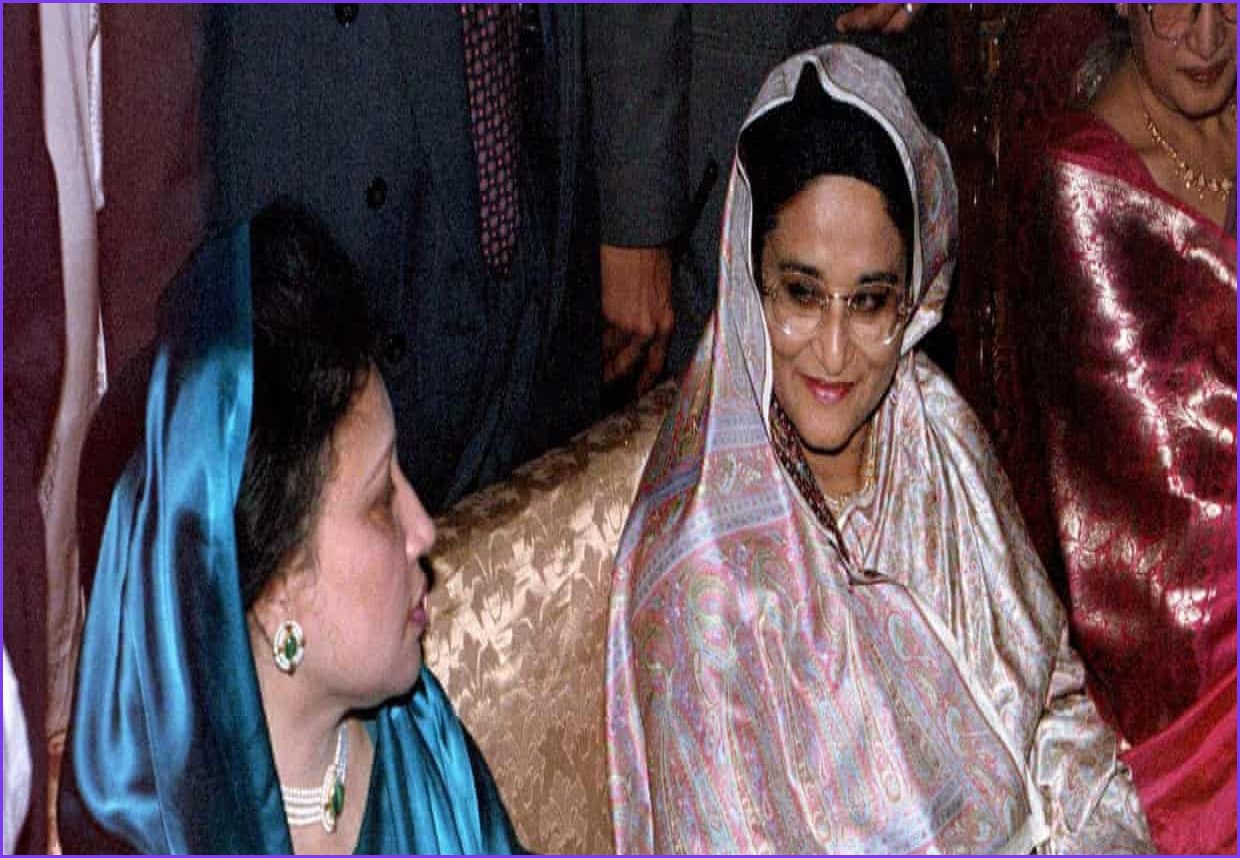
Hasina was imprisoned several times during her fierce rivalry with Zia, who died in 2025. The two women traded claims of using corruption cases and arrests against each other in a “Battle of the Begums” – an honorific title for a senior woman.
Claiming Bangladesh is sinking into lawlessness and economic ruin, she accuses the new government of trying to erase the country’s secular character.