Health officials are expressing grave concern that the Ebola virus driving a massive outbreak in the Democratic Republic of the Congo (DRC) may be mutating. As of August 4, the national public health institute recorded 3,973 cases and 1,801 deaths, with Dr. Jean Kaseya, director general of the Africa Centres for Disease Control and Prevention (Africa CDC), confirming during a press briefing on Thursday that the total has now surpassed 4,000. This Bundibugyo strain outbreak, which was officially reported on May 15 but is suspected to have been spreading since January, is now the second-largest on record.
Dr. Kaseya noted that he has discussed the situation with Dr. Tedros Adhanom Ghebreyesus, director general of the World Health Organization. The two leaders are planning studies to determine if the virus is mutating, citing the unprecedented severity of the current outbreak. The scale is significant; it has recorded eight times the cases and six times the deaths observed 11 weeks into the 2014-18 West Africa outbreak.
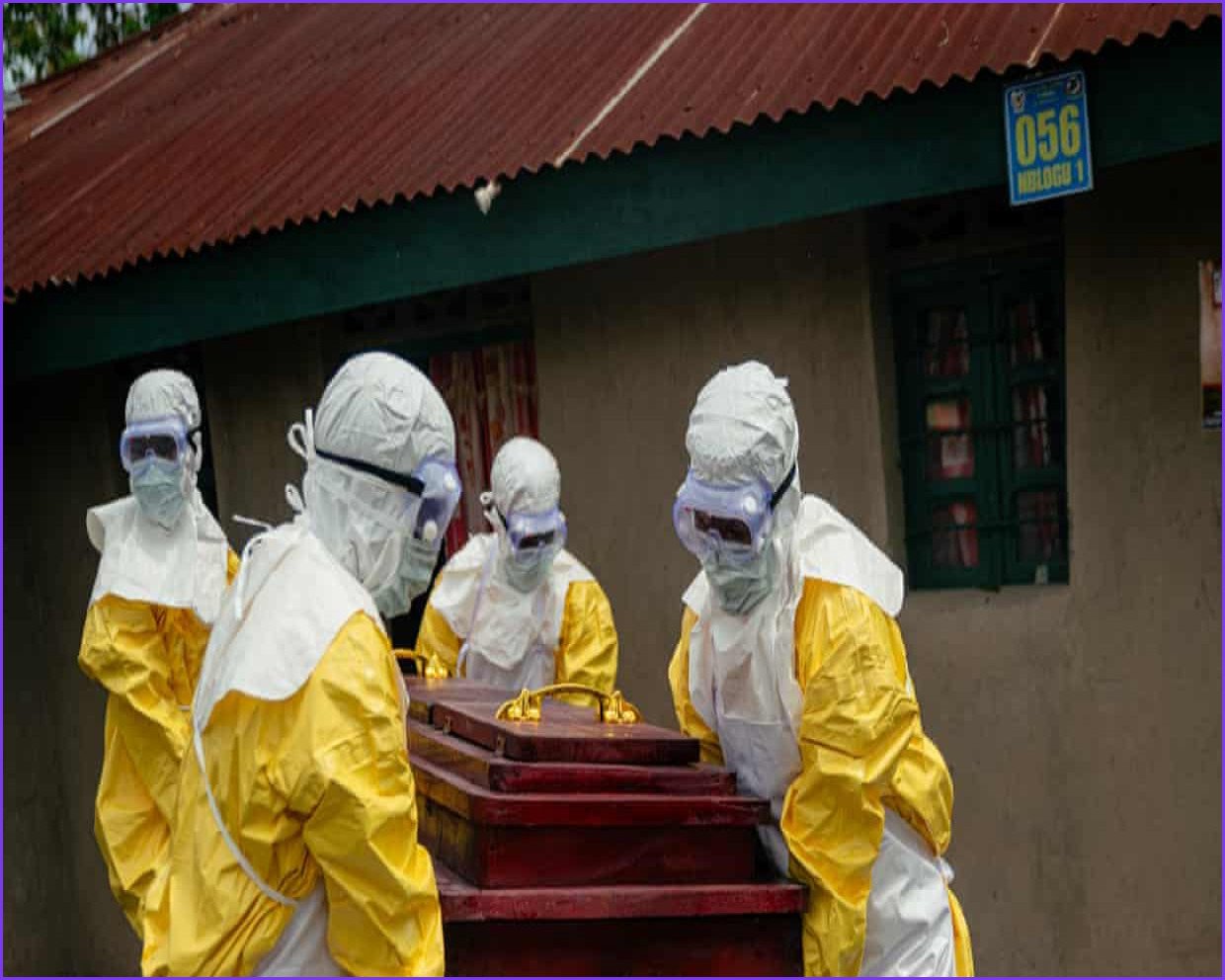
The response strategy is shifting from incremental measures to a more aggressive approach. Dr. Wessam Mankoula of the Africa CDC announced that teams will move from contact tracing to active case searches, involving community workers going door-to-door to identify symptomatic individuals. Currently, contact tracing is considered insufficient, with only 10 contacts identified per patient instead of the expected 40. Furthermore, more than two-thirds of deaths are occurring within the community rather than in treatment centers, and data from an MSF facility in Bunia shows that 90% of admitted patients were not previously listed as known contacts.
To combat the spread, authorities plan to implement a village-centered response using digital tools and increased efforts in camps for internally displaced persons. Clinically, officials intend to use the antiviral remdesivir on a compassionate basis. Additionally, they are evaluating the Ervebo vaccine—licensed for a different strain—following data suggesting it may have provided protection against the current virus. Dr. Placide Mbala Kingebeni emphasized that public health measures alone are insufficient to stop the spread.
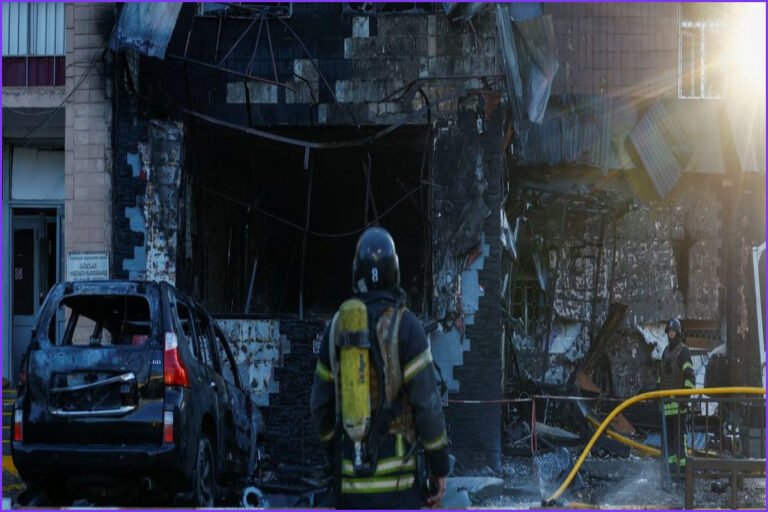
The outbreak is centered in the conflict-affected Ituri province but has reached Nord-Kivu, Sud-Kivu, Haut-Uele, and Tshopo. Authorities are also investigating a suspected Ebola death on a boat traveling to Kinshasa, with passengers facing quarantine and testing. Meanwhile, Unicef has warned that the crisis is disrupting essential healthcare, noting that measles vaccination rates in the epicenter of Mongbwalu have dropped by 69% due to fear and service interruptions.