A new evaluation by the U.S. Congressional Budget Office has warned that supplying nuclear-powered attack submarines to Australia under the Aukus agreement will diminish the U.S. Navy's own fleet for many years, citing severe industrial bottlenecks and questions over operational deployment in a potential conflict with China.
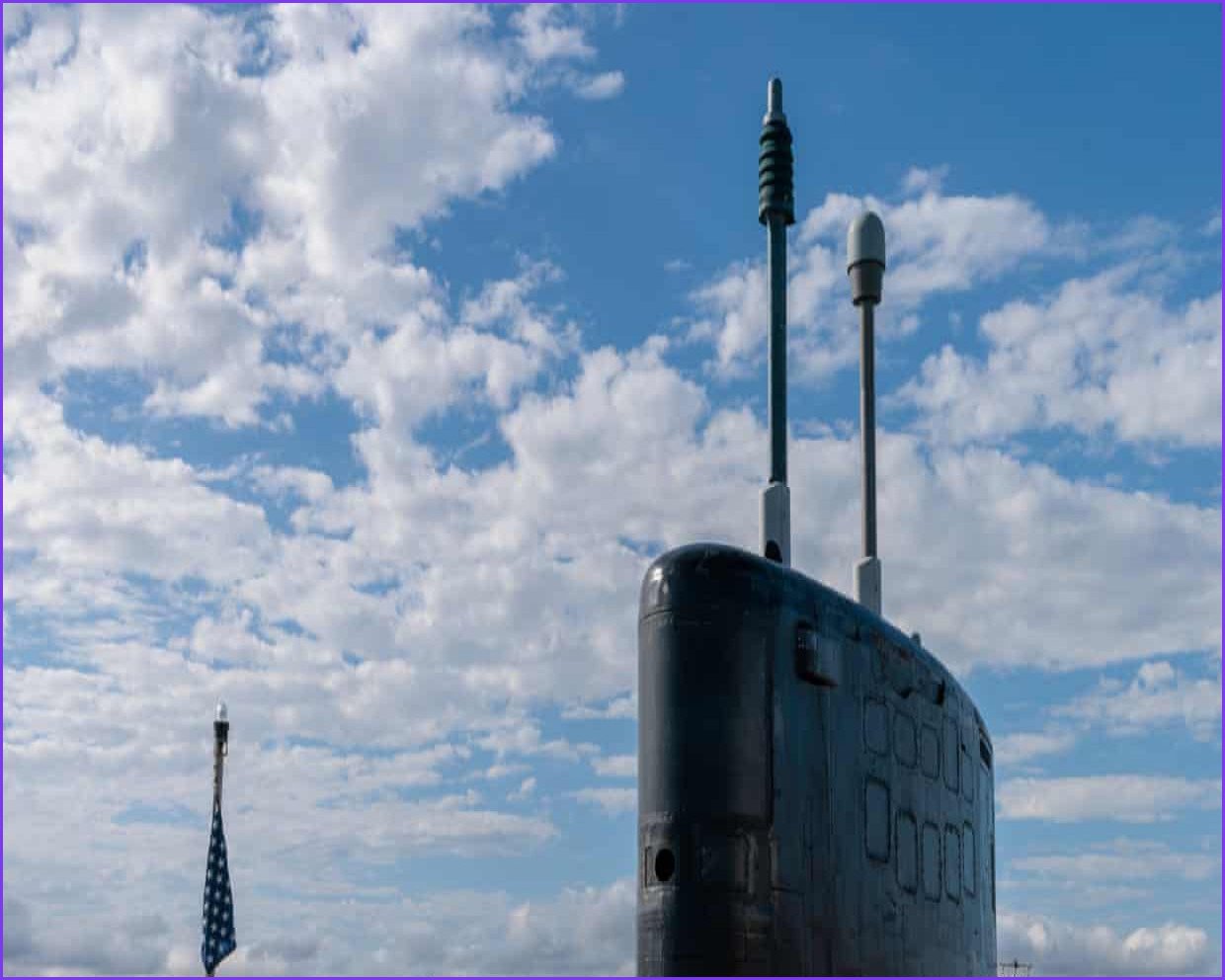
The congressional analysis, released on Friday morning, highlighted that the U.S. submarine industrial base is currently struggling to meet the Navy's existing demand. It cautioned that increasing production further to replace attack submarines sold to Australia would exacerbate the operational and logistical challenges already confronting American shipyards. Under Pillar One of the Aukus agreement, the U.S. agreed to sell between three and five in-service Virginia-class submarines to Australia starting in 2032.
The report directly questioned whether Australian-flagged vessels could be compelled into service in the event of a confrontation with Beijing, asking whether China would be less deterred if the U.S. reduced its own count of attack submarines to assist Australia. While acknowledging that Australia's robust alliance with Washington could offset or even more than offset the loss of U.S. capability because Western Pacific-based vessels could respond faster to crises over Taiwan or the South China Sea, the report stressed that Australia retains complete sovereignty over its fleet, meaning its participation in any given conflict is not guaranteed.
This evaluation reflects statements made in 2023 by Australian Defence Minister Richard Marles, who clarified that Canberra has made no promises to deploy its submarines alongside U.S. forces in a war with China, adding that any future Australian submarines would remain under the complete control of the Australian government of the day. Furthermore, U.S. governing legislation specifies that the American president can only transfer a submarine to Australia if removing it from service will not degrade U.S. undersea capabilities. Under the terms of Aukus, the U.S. maintains the right to refuse submarine transfers without incurring any penalty, leading critics to argue there is virtually no likelihood Washington will possess the capacity to sell in-service boats.
Manufacturing rates across American shipyards remain a significant hurdle. U.S. shipyards currently construct Virginia-class submarines at a rate of 1.13 per year. That rate must rise to two submarines annually to fulfill domestic needs, and to 2.33 per year to provide additional vessels for Australia. The analysis noted that building speeds have slowed over the past two decades, with Virginia-class deliveries delayed by 24 to 36 months. Construction of a single submarine took five to six years during the 2000s, but current schedules put the average timeline at 10 to 11 years.
Despite these production strains, U.S. Secretary of Defense Pete Hegseth affirmed his support for the Aukus deal during a meeting with Marles in September, emphasizing a shared commitment to advance the alliance and strengthen deterrence in the Pacific. However, alternative scenarios are gaining attention in Washington. The U.S. Congressional Research Service has openly countenanced an alternative division of labor where no Virginia-class submarines are transferred to Australian ownership. Weighing arguments for and against selling three vessels starting in 2032, research analysts noted that while Australian-commanded submarines could not be ordered into battle during a crisis over Taiwan, U.S.-commanded vessels operating out of Australian ports could be deployed immediately.