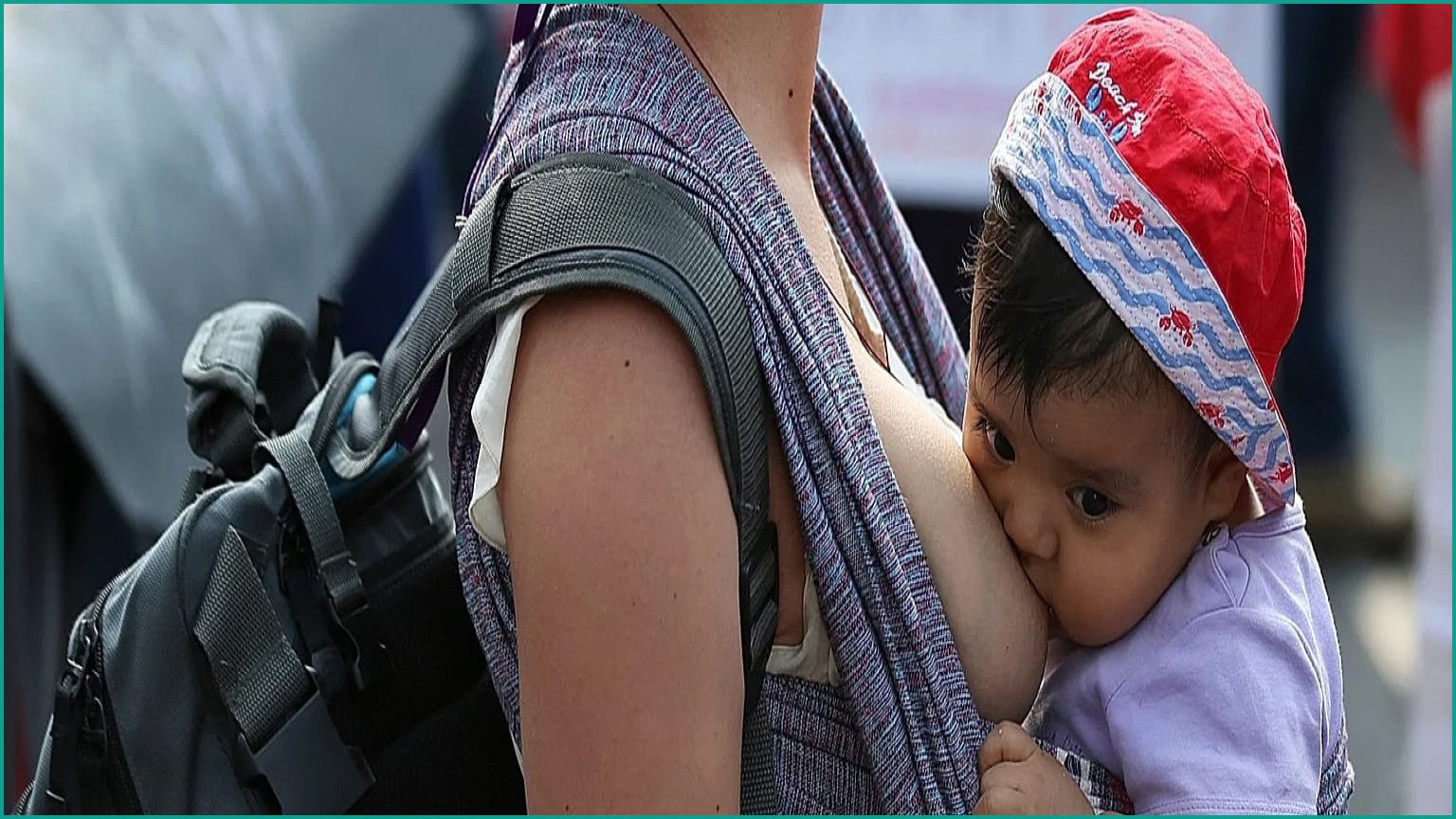
A recent study, published in the journal Cell Reports Medicine (source in Spanish), has identified a significant link between exclusive breastfeeding and a reduced prevalence of antimicrobial resistance genes within the intestinal tracts of infants. By promoting a healthier gut environment during a critical developmental phase, breastfeeding appears to be a viable strategy for mitigating the accumulation of resistance genes in bacterial communities.
M. Carmen Collado, a researcher at the Institute of Agrochemistry and Food Technology (IATA-CSIC), emphasized that this period is vital for the establishment of an infant's microbiota. The study highlights that human milk oligosaccharides (HMOs)—naturally occurring molecules in breast milk that infants cannot digest themselves—play a fundamental role. These molecules act as ecological modulators, providing essential nourishment for beneficial gut bacteria while potentially limiting the proliferation of microorganisms that carry antibiotic resistance genes.
To investigate these effects, researchers analyzed fecal samples from 57 one-month-old infants in Valencia, alongside milk samples provided by their mothers. These findings were subsequently validated using data from a separate cohort of 199 breastfed babies located in the Netherlands. The data revealed that both the method of delivery and the mode of feeding are decisive factors in shaping the infant's gut resistome, defined as the collection of antimicrobial resistance genes present in the gut bacteria.
The research team observed distinct differences in the diversity of these genes between babies born via caesarean section compared to those born through vaginal delivery. Regardless of delivery mode, exclusive breastfeeding remained consistently associated with a lower abundance and diversity of resistance genes. As Anna Samarra, a postdoctoral researcher at the University of California, San Diego, and former IATA-CSIC trainee, noted, the first months of life represent a crucial window where environmental factors like feeding and delivery leave a lasting imprint on the developing gut microbiota.