Travelers seeking to avoid the pressures of overtourism might consider looking beyond Venice and Amsterdam for their next getaway. Venice implemented an entry fee for day-trippers in 2024, with rates currently between €5 and €10 and ongoing discussions about potentially raising that figure to €50. Meanwhile, Amsterdam has faced significant strain from high visitor numbers, leading to campaigns aimed at improving tourist behavior and even resulting in local residents filing lawsuits against the city last year.
For those looking for a better travel experience, several lesser-known European cities offer picturesque canal networks without the same level of overcrowding. Hamburg, despite being Europe’s third-largest port behind Rotterdam and Antwerp, is often overlooked as a romantic destination. The city boasts more canals than both Amsterdam and Venice, characterized by a pragmatic, industrial beauty. A highlight is the historic Speicherstadt warehouse district, now a UNESCO World Heritage Site. Although the Second World War destroyed half of these structures, their grandeur remains, making boat tours or walks through the area essential.
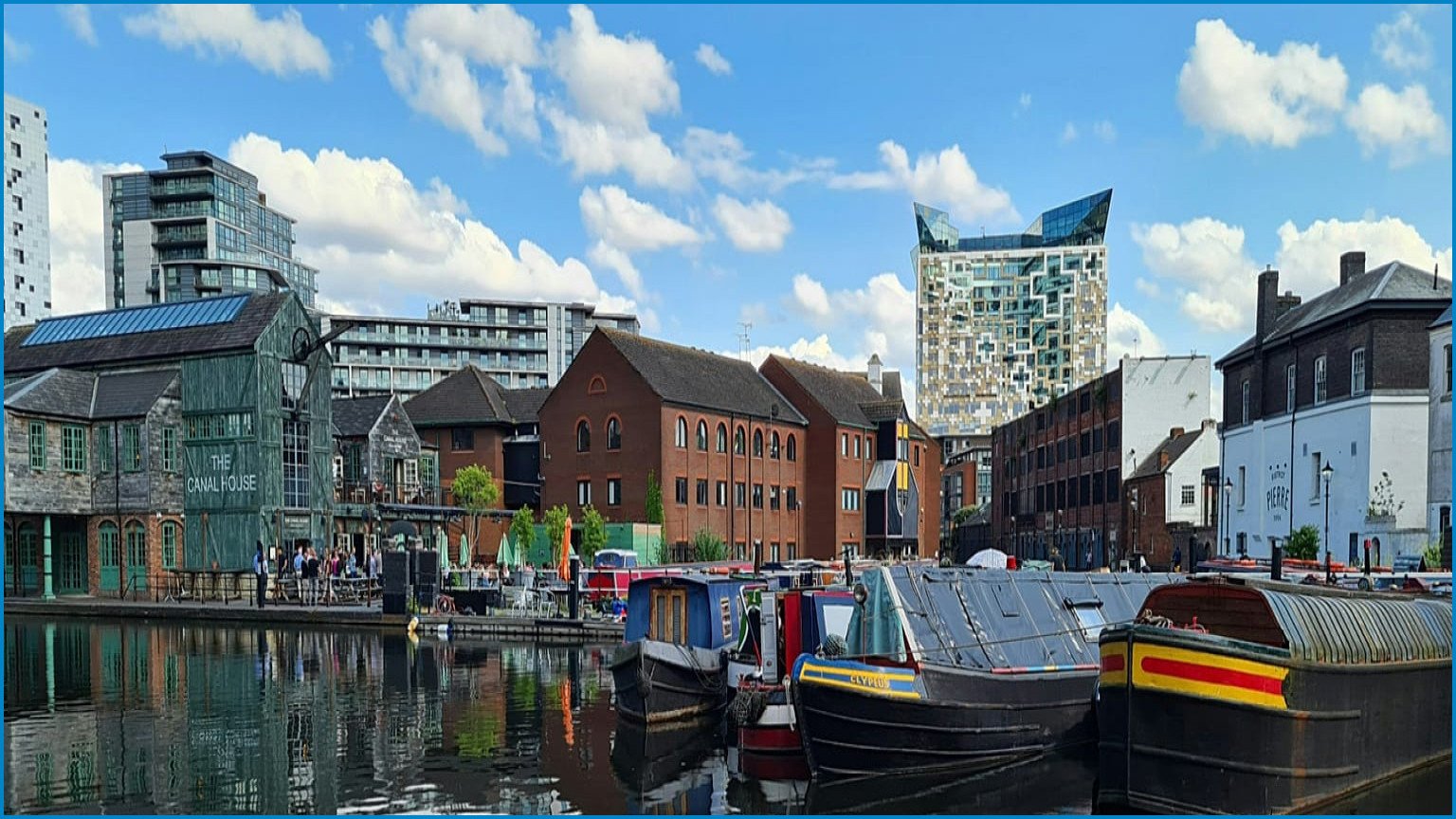
Sweden’s capital, Stockholm, is built on an archipelago of fourteen islands, featuring a network of canals and over 50 bridges. Its historic Old Town was originally known as Staden Mellan Broarna, or 'The Town between the Bridges.' Among its waterways, the Djurgårdsbrunnskanalen Canal stands out as a particularly quiet and scenic spot within the city center. Similarly, Birmingham in the UK features over 160km of navigable canals, surpassing Venice in total length. The city has revitalized these industrial-era waterways, with the Gas Street Basin offering vibrant bars and cafes, while the towpath leading to the University of Birmingham provides a peaceful, bucolic escape.
Copenhagen also remains a premier destination for canal cruises, centered around the 17th-century Nyhavn district. Known for its brightly colored townhouses and traditional wooden ships, the area is ideal for afternoon strolls or boat tours. While it is now a polished tourist attraction, Nyhavn has a complex history; established around 1670, it was once a notorious hub for sailors seeking alcohol and prostitution. It was later home to Hans Christian Andersen during the 19th century and underwent a significant transformation following its pedestrianization in 1980.
Famed for its brightly coloured townhouses and old wooden ships, Nyhavn’s a superb location to stroll on a summer afternoon or take a boat tour.
In the 19th century it was home to Hans Christian Anderson and in 1980 it was pedestrianised, leading to its revitalisation as a tourist area.