Belgium’s deepening drug crisis is increasingly centered on the port of Antwerp, which has emerged as one of Europe’s primary entry points for illegal substances arriving from Latin America. Last year alone, authorities reported the seizure of 55 tons of cocaine, though officials openly acknowledge that this figure likely represents only a fraction of the total volume entering the country, often concealed within shipments of timber, frozen food, or bananas.
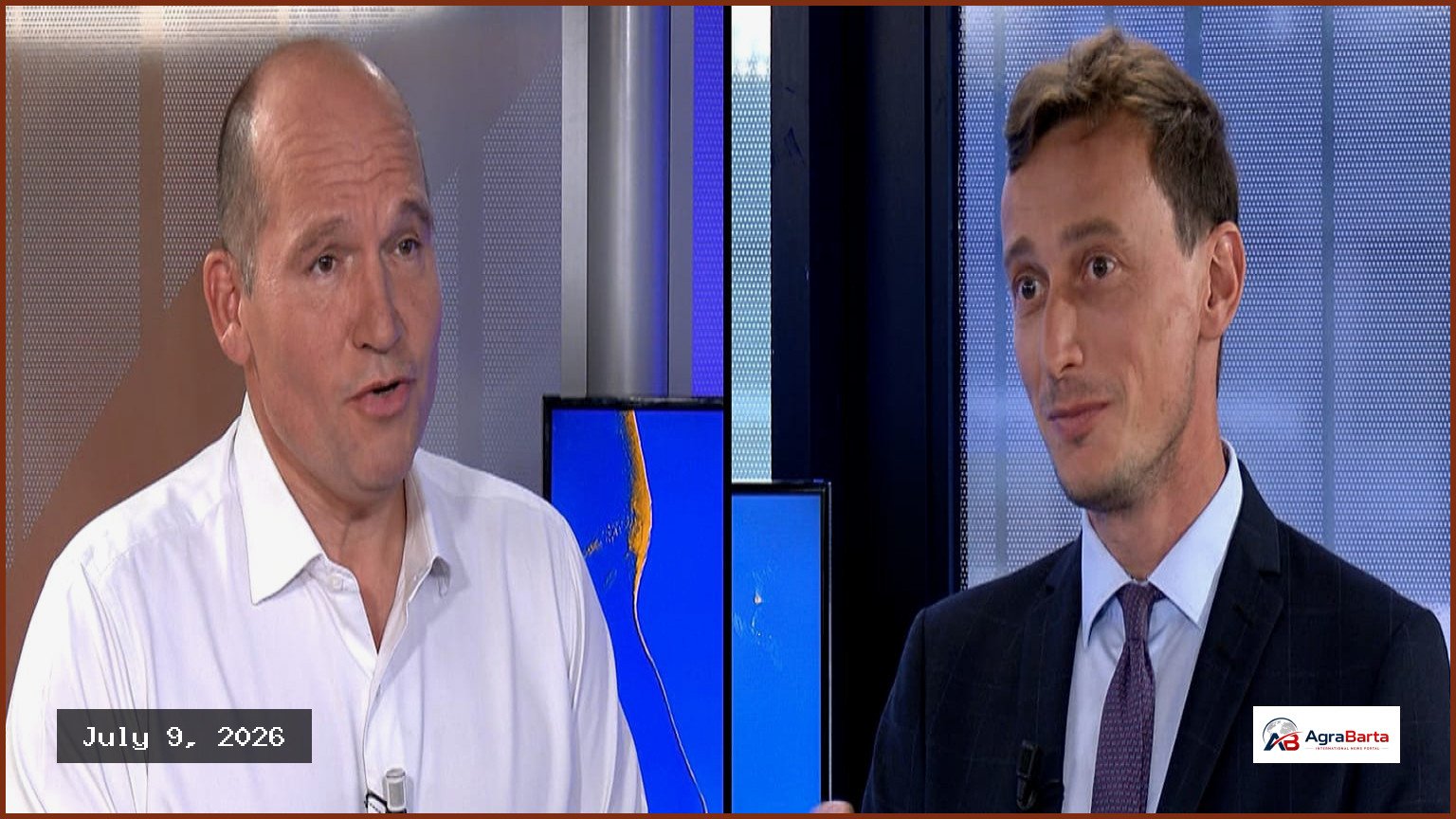
The scale of the illicit trade has sparked a national debate regarding whether Belgium is losing control of the situation and effectively evolving into a “narco-state,” a warning recently issued by a senior Antwerp judge. These concerns are the focus of a recent episode of The Ring, which features Brussels Mayor Philippe Close and Mathias Vanden Borre, a member of the Brussels regional parliament representing the liberal-conservative New Flemish Alliance (N-VA). The discussion examines whether the nation is currently at the frontline of an unwinnable European battle against international cartels.
Beyond being a major transit hub, Belgium has also become a significant consumer market. Recent wastewater studies and European monitoring data indicate that cocaine consumption in Belgian cities is relatively high compared to many other EU member states. This trend mirrors a broader European pattern over the last decade, where cocaine has become more available, purer, and cheaper.
Experts note that the situation in Antwerp and Rotterdam, which function as key gateways for the EU, is not merely a temporary crime wave but a structural challenge. As long as the demand for drugs remains high across Europe and production levels in South America continue to rise, authorities face a difficult and ongoing national security issue. This episode of The Ring was hosted by Stefan Grobe, with production by Luis Albertos Altarejos, Amaia Echevarria, and Lauren Walker, and featured TV direction and editing by Vassilis Glynos.