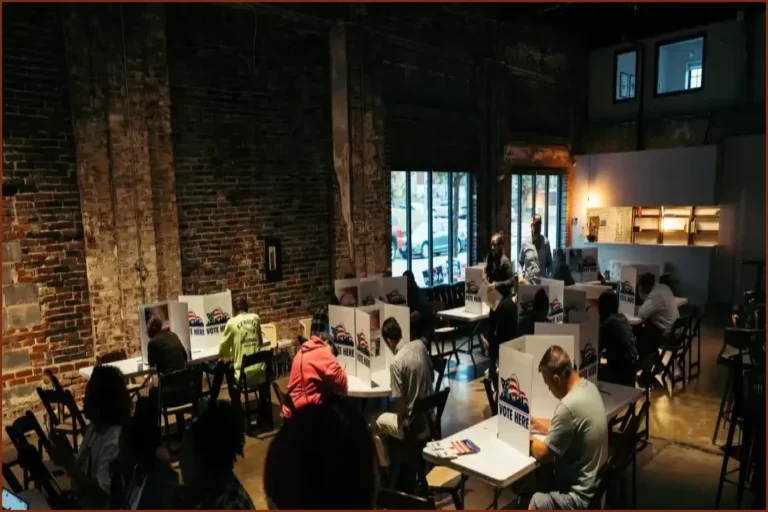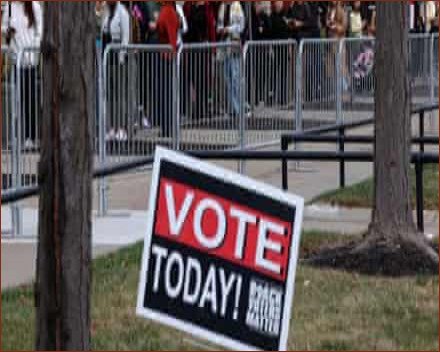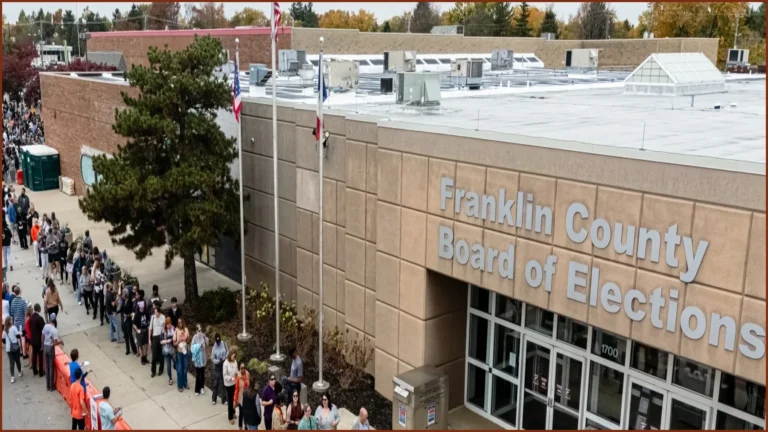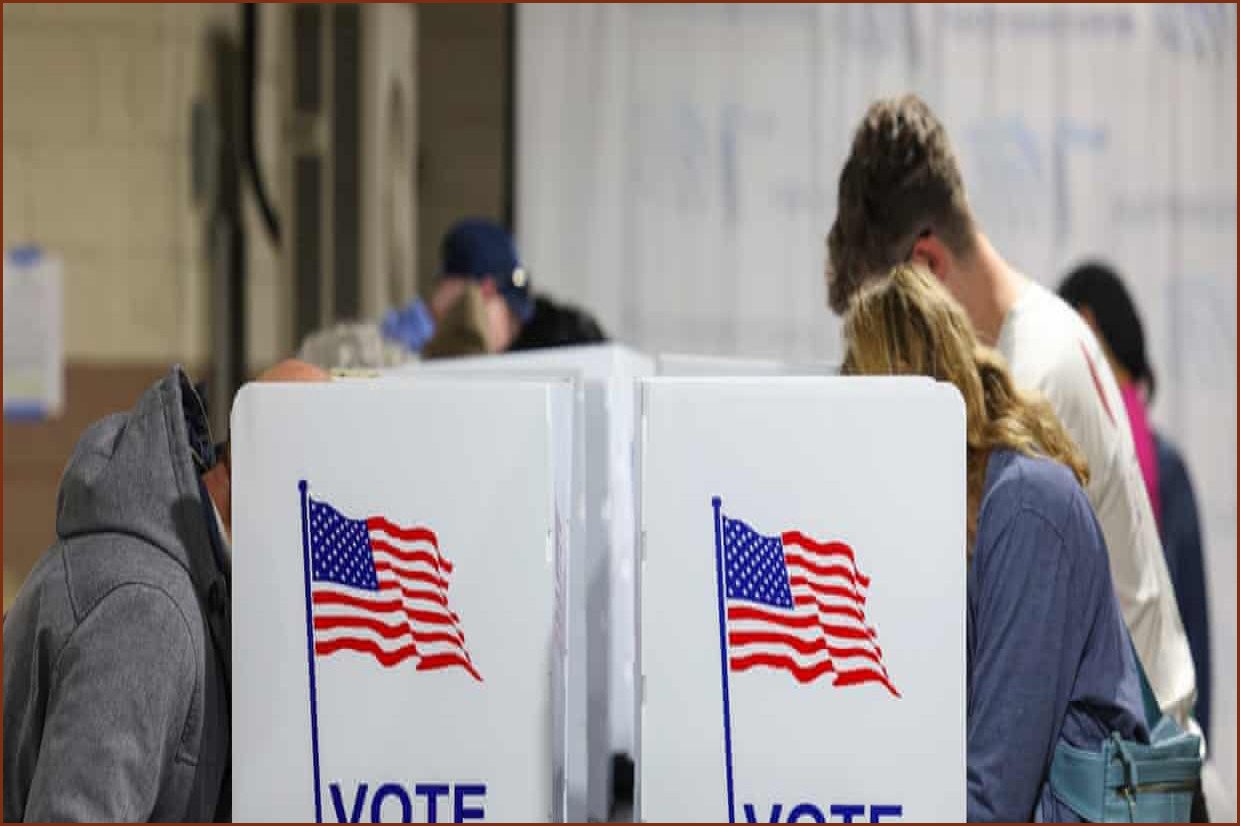
Voters across the United States are heading to the polls today in midterm elections that will decide which party controls Congress and serve as a high-stakes referendum on Donald Trump’s second presidency. Both the U.S. Senate and the House of Representatives are currently held by Republicans, but Democrats are campaigning to seize both chambers to establish a legislative check on executive authority.
President Trump has placed himself at the heart of the campaign, holding dozens of rallies nationwide to urge his Make America Great Again base to back Republican contenders as if he were on the ballot. Opposition lawmakers have framed the vote as a vital opportunity to restrain presidential power, pointing to Trump's aggressive domestic and foreign policies. Since returning to office, his administration has launched an extensive immigration crackdown marked by mass arrests and deportations, imposed foreign import tariffs, initiated a military conflict with Iran, and undertaken high-profile construction projects such as a new White House ballroom.
Polling data indicates that Democrats are strongly positioned to capture the House, while the battle for the Senate remains a steeper challenge. Nevertheless, Democratic candidates have aggressively targeted Republican-held seats in states including Ohio, Texas, and Maine. A final series of New York Times and Siena University polls released on Sunday showed Democratic Senate candidates leading in five out of seven major battleground states, including Texas, which last elected a Democratic senator in 1988, and Kansas, where a Democrat has not won a Senate seat since 1932.
Despite favorable polling in some areas, the closing days of the campaign brought significant intra-party friction for Democrats, particularly in Michigan, a pivotal state for Senate control. Democratic Representative Haley Stevens, who lost her party’s Senate primary to Abdul El-Sayed, publicly endorsed Republican candidate Mike Rogers on Sunday. The endorsement sparked sharp condemnation from party leaders, with Senate Minority Leader Chuck Schumer calling it "a despicable betrayal." Addressing hundreds of voters in Royal Oak, Michigan, on Monday, El-Sayed pushed back against the distraction, telling the crowd, "Whatever they're trying to distract you, it's because they're picking your pocket."
Democrats also faced operational controversies in Alaska. Reports emerged alleging that the campaign of Democratic Senate candidate Mary Peltola backed a plan to recruit a rival candidate bearing a name nearly identical to the incumbent Republican senator, Dan Sullivan. Peltola denied any knowledge of the effort. Prior to the report, the Department of Justice filed a lawsuit seeking to block the certification of Alaska’s Senate election results if the Republican incumbent lost, alleging potential voter confusion caused by having two candidates named Dan Sullivan on the ballot. A judge subsequently dismissed the lawsuit.
Economic pressures and ethical concerns have also dominated campaign messaging. While Trump has maintained a heavy rally schedule, his public approval ratings have dropped to record lows of 33% to 37%. Democrats have focused their messaging on affordability issues and allegations of corruption involving the president and his family. A recent Harris poll showed that 76% of respondents believe elected officials prioritize self-enrichment over economic support for everyday citizens. Financial disclosures filed with the U.S. Office of Government Ethics reveal that Trump has earned approximately $2.2 billion since re-entering the White House, including royalties from a branded meme coin. Meanwhile, voters continue to face rising living costs despite Trump’s 2024 campaign promises to lower them. Inflation has been further driven by the war with Iran—initiated last February alongside Israel—which boosted global oil prices, raising costs for consumer gasoline as well as commercial diesel vital for agricultural and supply-chain transportation.
The elections are taking place amid broader concerns regarding post-election stability and whether Trump will accept outcomes unfavorable to the Republican Party. Critics argue that legal filings by the Department of Justice, led by Attorney General Todd Blanche, form part of a broader attempt to question the legitimacy of the vote through unproven assertions of widespread voting by non-U.S. citizens. Adding to the tension, the Department of Justice announced plans to send a record 1,000 election monitors to polling locations across the country, a measure that opponents have denounced as an effort at voter intimidation.