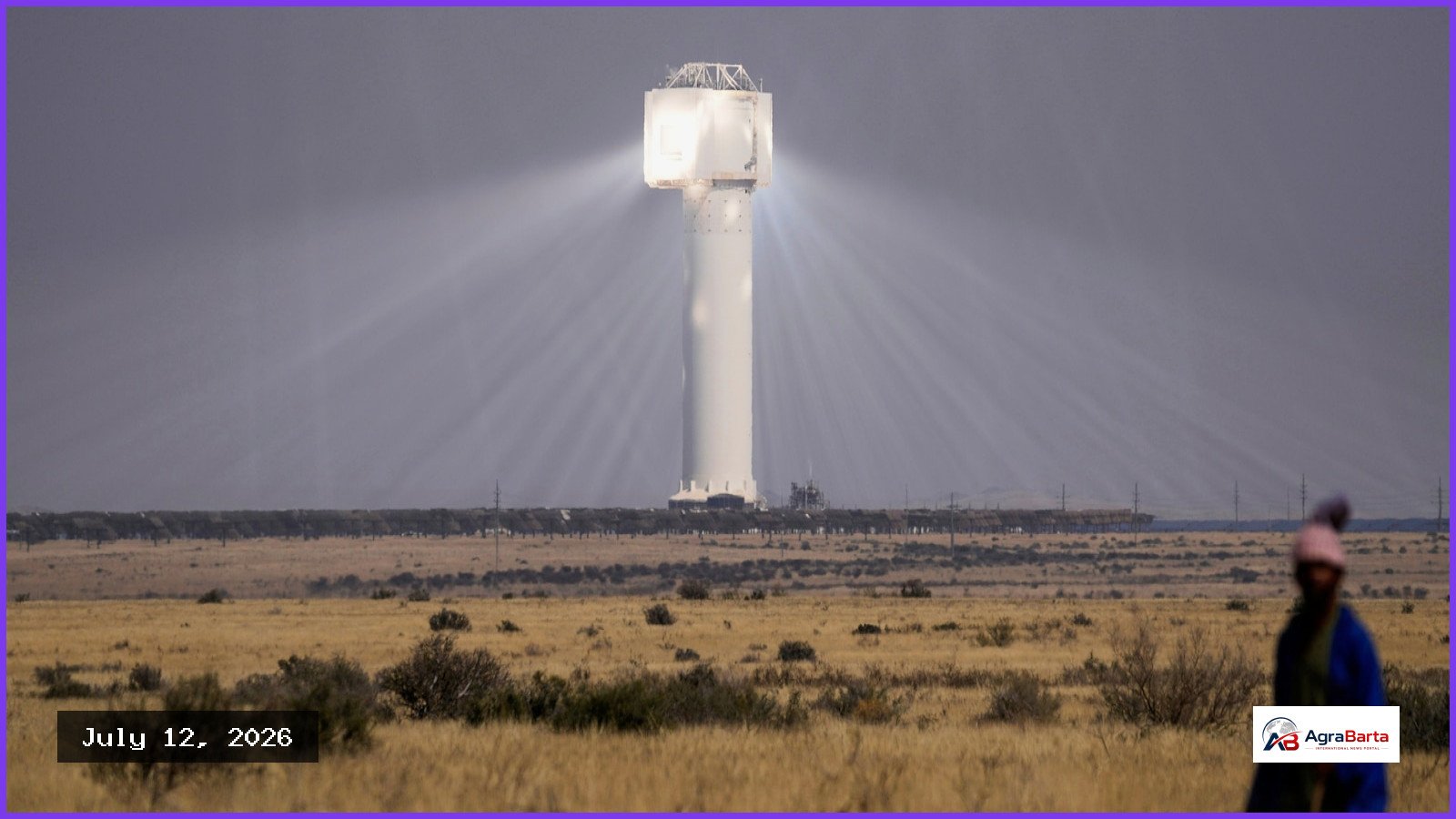
Africa’s transition to renewable energy is entering a transformative phase. NAIROBI, Kenya — Africa’s biggest clean energy challenge is shifting from building projects to building the institutions, markets and regulatory systems needed to deliver them at scale, experts say. While the continent has successfully proven that clean energy works, the current priority is shifting toward the development of robust institutions, functional markets, and regulatory systems required to deploy these technologies at scale. Experts suggest that as demand for power rises due to increasing industrialization, artificial intelligence, and widespread electrification, the primary bottleneck has moved away from the technology itself toward the supporting infrastructure and funding mechanisms.
Addressing these systemic gaps is essential for providing electricity to the 600 million people across Africa who currently lack access. Michael R. Bloomberg, the U.N. Secretary-General’s Special Envoy on Climate Ambition and Solutions, noted in late June that clean energy has become more affordable than fossil fuels globally. However, he highlighted that avoidable obstacles continue to impede progress. To address this, Bloomberg Philanthropies announced a $285 million initiative aimed at strengthening clean energy industries within developing and emerging economies.
Rather than providing direct financing for specific wind or solar projects, the new initiative is designed to invest in market design, technical expertise, regulatory capacity, and industry institutions. The Bloomberg initiative is looking beyond ambitious renewable energy targets to focus on helping projects attract long-term investments and connect to national grids. This approach is increasingly viewed as the most effective way to attract private capital and accelerate renewable energy adoption. There is a growing consensus that the continent’s energy transition is hindered less by a shortage of viable technologies or natural resources than by the institutional capacity needed to convert those assets into bankable projects.
Currently, many renewable energy projects across the continent face significant delays caused by fragmented regulatory systems, slow permitting processes, limited grid planning, and weak market design. Although the cost of renewable energy has dropped sharply and investor interest remains high, these policy and structural uncertainties continue to act as barriers. Wangari Muchiri, founder and CEO of RE.Think Energy, stated that the initiative marks a shift in focus. According to Muchiri, the next chapter of Africa’s renewable energy narrative will be defined not just by the projects constructed, but by the institutions that ensure those projects can thrive and connect to national grids.
The Associated Press’ climate and environmental coverage receives financial support from multiple private foundations. AP is solely responsible for all content. Find AP’s standards for working with philanthropies, a list of supporters and funded coverage areas at AP.org.