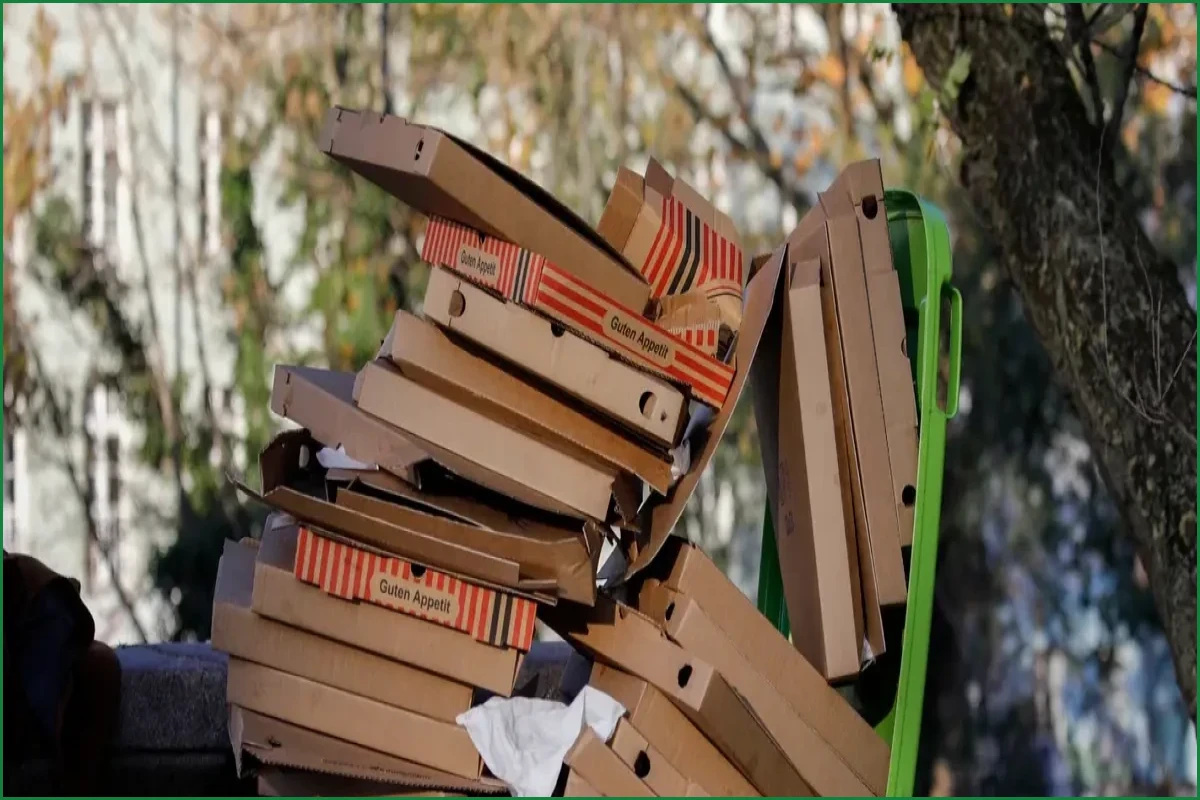
New European Union restrictions targeting toxic substances known as "forever chemicals" in food packaging officially took effect on Wednesday. These measures are being implemented alongside a broader set of regulations aimed at curbing packaging waste throughout the bloc.
The substances in question, per- and polyfluoroalkyl substances (PFAS), are a class of synthetic chemicals that are notoriously difficult to break down and are facing increased global regulation due to their potential health risks. According to a statement issued by the European Commission, food-contact packaging that contains PFAS levels exceeding strict limits can no longer be placed on the EU market.
These rules are part of a phased approach to waste management. By 2030, the EU mandates that all packaging must be recyclable. Furthermore, the use of single-use packaging—such as mini shampoo bottles in hotels or small sauce packets—will be prohibited by 2030 in cases where they are deemed unnecessary or when more sustainable alternatives are available.
Additional targets include reducing total packaging waste by five percent by 2030 and by 15 percent by 2040, using 2018 levels as a baseline. The new framework also introduces improved labeling requirements to assist Europeans in sorting waste, providing clearer information regarding material composition, disposal methods, and reuse instructions.
While the current move is significant, the EU remains under pressure to enact a more comprehensive ban on PFAS. Experts have highlighted that even low-level, chronic exposure to these chemicals is linked to serious health conditions, including high cholesterol, liver damage, reduced immune responses, low birth weights, and various types of cancer. Although European officials previously indicated that a legislative proposal for a broader PFAS ban is in development, it is not expected to be introduced before the end of 2026.