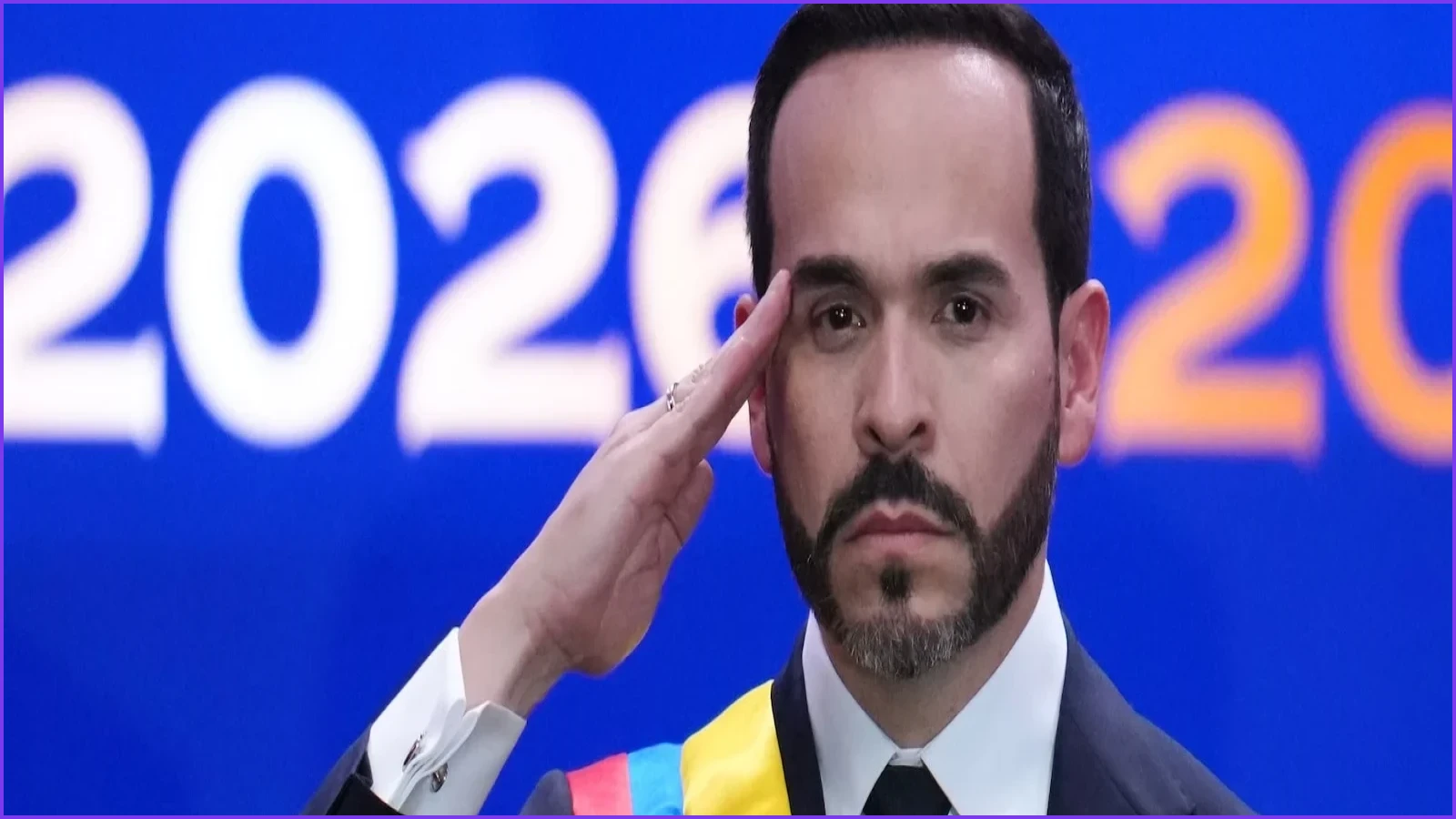
During his inauguration on Friday, Colombian President Abelardo de la Espriella unveiled a significant pivot in the nation's energy strategy, positioning energy security as a primary pillar of his new administration. While acknowledging the importance of an energy transition, the president emphasized that moving toward cleaner sources like wind and solar must be rooted in national strength and self-sufficiency rather than dependence. He stated, “I believe in the energy transition. But that transition must be built from strength, not from weakness, from self-sufficiency and not from dependence.”
The policy shift marks a clear departure from the administration of former President Gustavo Petro, who had halted new oil and gas exploration contracts to focus on environmental protection and climate goals. Just four months ago, the Petro government hosted an international summit in the Caribbean city of Santa Marta to build support for a global move away from fossil fuels. De la Espriella criticized the previous government for weakening Ecopetrol, the country's majority state-owned oil firm, and identified the restoration of the company as an absolute priority for his government. Ecopetrol remains one of the country’s largest sources of government revenue and export earnings.
Describing energy security as a matter of national sovereignty, the president argued that the country cannot achieve long-term prosperity by leaving its natural resources undeveloped. To bolster declining reserves and attract new investment, the administration plans to expand exploration efforts. Furthermore, de la Espriella confirmed that his government will authorize fracking—a method of extracting oil and gas by injecting water, sand, and chemicals underground to crack rock formations—provided it adheres to what he described as the strictest technical and environmental standards.
The president expressed urgency regarding these changes, noting that the country's energy system is currently in a critical state. He pointed to a combination of falling oil and gas reserves, delayed energy projects, and rising electricity demand as immediate challenges. He also highlighted the looming threat of the El Nino weather phenomenon, which typically brings prolonged drought and can reduce hydroelectric power generation. Citing these risks, the president insisted that the government must act immediately to implement solutions, stating, “The El Nino phenomenon won’t wait for us. To overcome it, it is imperative to implement urgent solutions.”