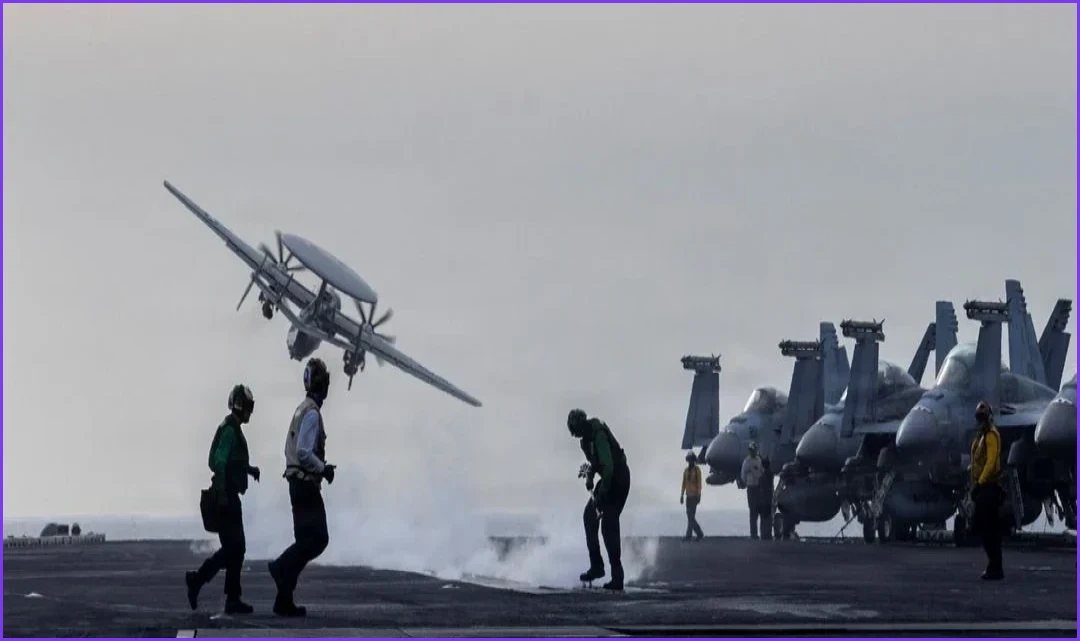
Approximately 200 family members gathered in San Diego on Thursday night to confront senior US Navy leadership regarding the extended deployment of the USS Lincoln. The carrier, which has been involved in the US war on Iran, has been at sea for 259 days as of Friday, having left San Diego on November 21. During this period, the crew of 5,000 sailors and Marines has experienced only two stops, including a brief visit to Oman on July 7, resulting in 208 consecutive days at sea.
Acting Navy Secretary Hung Cao attended the meeting, where families sought clarity on the lack of a confirmed return date. Tensions reportedly escalated further during a subsequent virtual session between Navy officials and the families of the service members. Participants raised significant concerns regarding the welfare of their loved ones, citing exhaustion, inadequate mental health support, and persistent supply disruptions. Families described issues with food shortages, delayed mail deliveries, and poor living conditions, specifically pointing to broken toilets and suspected mold in showers. One spouse shared the emotional toll of the deployment, noting that their child was born while the father was away and has yet to spend any time with the infant.
In response to the complaints, Navy leadership addressed the maintenance issues, describing a stubborn clog that affected toilets in one area and suggesting that the suspected mold was likely mildew resulting from ventilation problems. Vice Admiral Douglas Verissimo acknowledged that logistics difficulties in Bahrain had caused significant backlogs, particularly after fighting began. While he stated that the Navy is working to improve the delivery of food and personal-care products, he admitted the situation had been extremely difficult for a period. Regarding the return date, Secretary Cao stated that the Navy is preparing the USS Theodore Roosevelt carrier strike group to relieve the Lincoln, though he declined to provide a specific timeline due to operational security.
Vice Admiral Joseph Cahill emphasized that the Navy recognizes the strain placed on the crew and their families, stating, "We hear you loud and clear, the impact this has on families, on service members, and the long-term ability of us to stand, sustain our forces’ health." Officials further noted that current mental health support includes the use of chaplains, deployment-resilience counselors, and Human Factors Councils tasked with identifying risks to the well-being of the personnel.