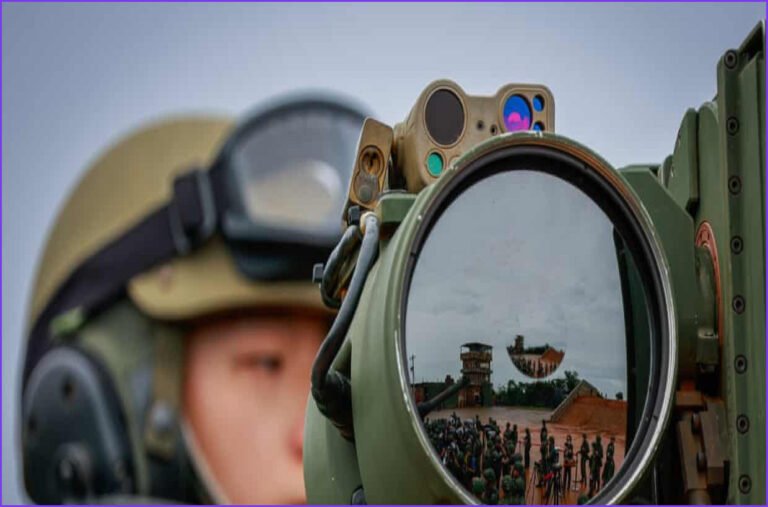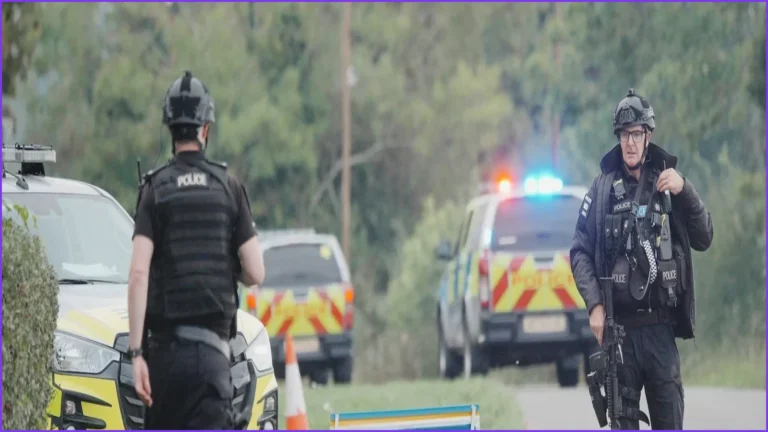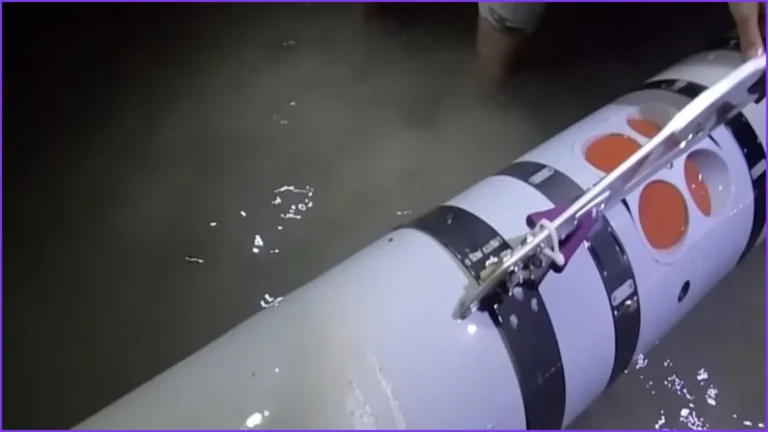
Residents of the besieged Sudanese city of el-Obeid are living under a constant barrage of drone strikes, with as many as 40 unmanned aircraft frequently filling the sky at once. For months, the hum of these drones has become a daily soundtrack, terrorizing the population of approximately 500,000. One 25-year-old resident, who asked to remain anonymous for safety, described the omnipresent danger, noting that people are frequently killed while sleeping, traveling to school, or shopping at local markets. Even funeral processions have not been spared; the resident recounted how her uncle was killed in a strike while attending the burial of a neighbor who had also been killed by a drone.
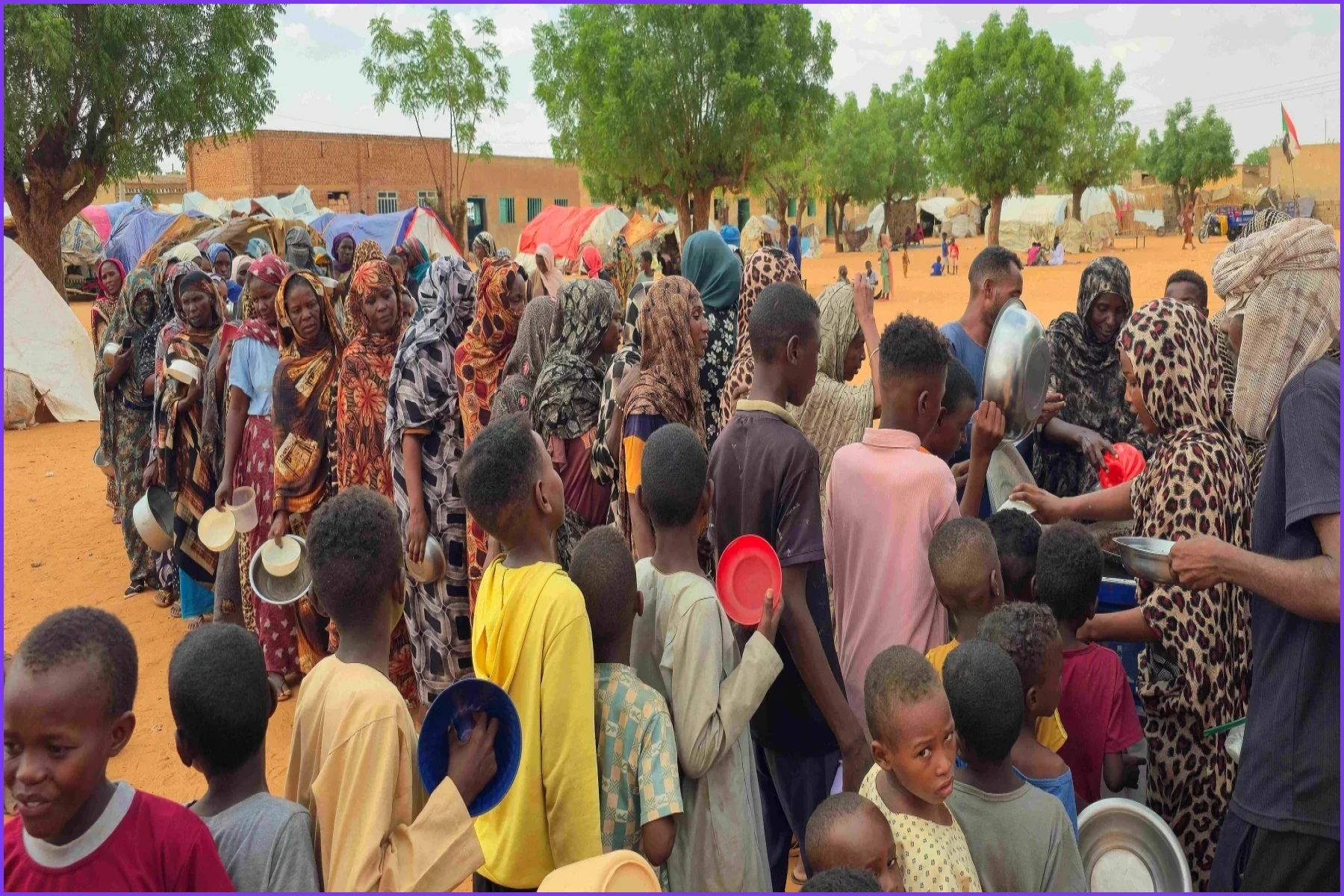
Sudan has been engulfed in a brutal civil war between government forces and the paramilitary Rapid Support Forces (RSF) for more than three years, resulting in the world's largest humanitarian crisis and the displacement of millions. El-Obeid, the capital of North Kordofan state, serves as a critical battleground due to its location along a strategic corridor south of Khartoum and en route to Darfur. Data from the International NGO Safety Organisation indicates that North Kordofan recorded the highest number of drone attacks in Sudan throughout 2026, with both sides utilizing the technology. Images from the region show women and children queuing to receive free food in al-Mohayra camp on June 29, 2026, while other Sudanese children were documented scraping leftover food from an empty pot in al-Rahmaniyah camp on July 7, 2026.
United Nations experts are now warning that el-Obeid faces a risk of large-scale atrocities, potentially mirroring the 2025 events in el-Fasher, where the RSF slaughtered approximately 6,000 civilians in what investigators later termed as having the hallmarks of genocide. Volker Türk, the U.N. high commissioner for human rights, issued a stern "red alert" last month, urging global leaders to act immediately to prevent further atrocities in Kordofan. In the city, the RSF is currently employing tactics seen in el-Fasher, including the systematic targeting of water distribution points, which creates severe shortages and forces women into a "deadly gamble" to secure water, according to U.N. Women East Africa Director Anna Mutavati.
The crisis is being further compounded by a cholera outbreak, which is hitting children particularly hard. Mohamed Kamal, the Plan International Sudan Director, noted that incessant rains and strikes on medical facilities have crippled the city's ability to provide life-saving treatment, leaving thousands vulnerable. Beyond physical illness, children are facing the trauma of war and the risk of recruitment by armed groups.
Since the conflict began in 2023, at least 59,000 people have been killed, according to the Armed Conflict Location & Event Data Project, though the actual death toll is likely significantly higher. While the Sudanese government recently celebrated the retaking of a major highway and other key positions in North Kordofan, researcher Eric Reeves stated that a military rescue of el-Obeid remains unlikely. More than 100,000 displaced people are sheltering in local camps, where they face extreme hunger and an acute lack of resources.
Humanitarian organizations, including the World Food Programme and Doctors Without Borders, report that aid funding is shrinking even as needs continue to grow. Rising costs for essential supplies like diesel and fertilizer, exacerbated by broader regional tensions, are worsening the situation. Pressure is mounting on the international community to intervene. On Tuesday, a group of more than 20 U.S. senators wrote to Secretary of State Marco Rubio urging him to take steps to prevent mass atrocities in el-Obeid. The senators specifically called for an end to arms sales to the United Arab Emirates, which has been accused of supporting the RSF. Reeves emphasized that until the UAE is held accountable for its role in the conflict, the violence is expected to persist.
Whenever residents of the besieged city of el-Obeid look up at the sky, it is filled with drones — sometimes as many as 40 at a time.
"You might get hit and killed by a drone while you're asleep at home, or while on the way to school. You could also get hit by a drone in the market," says one 25-year-old resident.