A growing trend on social media sees content creators sharing their experiences of living alone, reframing solitude not as loneliness but as an aspirational lifestyle choice. These influencers are documenting their routines, from quiet evenings at home to solo adventures, challenging the stigma often associated with living without close friends.
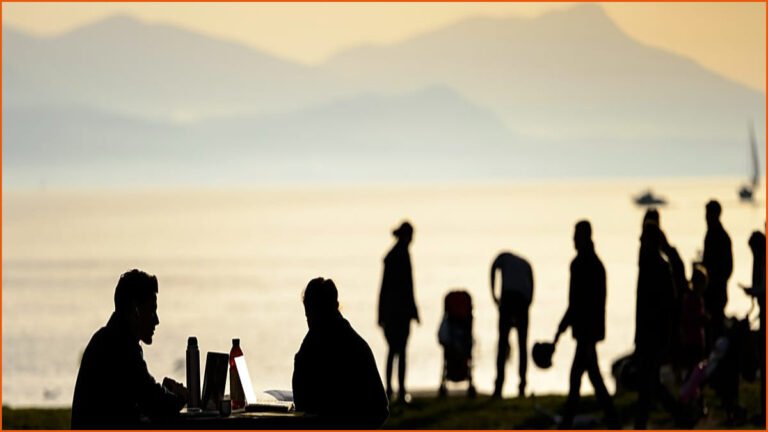
Lana Isa, a software sales manager in her 20s based in Toronto, gained significant traction on TikTok with videos depicting her nightly routines, including preparing a frozen pizza, lighting a candle, and eating in front of the television. Her content, which has amassed millions of views, often features taglines like "POV you're a childfree and single girl that has no friends and lives alone so this is how you spend your Friday night." Isa, who has nearly 400,000 followers across TikTok and Instagram, shares late-night drives, reading sessions by a lake, and even accounts of getting locked out of her apartment. She explains that for her, the "no friends" aspect is a reality she has lived for several years, adjusting to life alone after moving across the country following a heartbreak, changing high schools, and experiencing COVID-19 isolation during college.
Isa noted that people often avoid discussing having no friends, considering it embarrassing or taboo. When she began sharing her experiences online, she found a significant audience connecting with her situation. Her TikTok following grew from around 2,000 to over 175,000 in eight months, providing a sense of shared experience and validation for others living similar lives.
However, this trend has also faced criticism. Creators like Isa have been labeled "loneliness influencers," with some suggesting they represent a demographic of sad, lonely, childless women in crisis. Others accuse them of romanticizing self-isolation and promoting "cosy defeatism" by appearing to shun social connections. Despite these critiques, the content often portrays a lifestyle of solo dates, spontaneous road trips, and attending events alone.
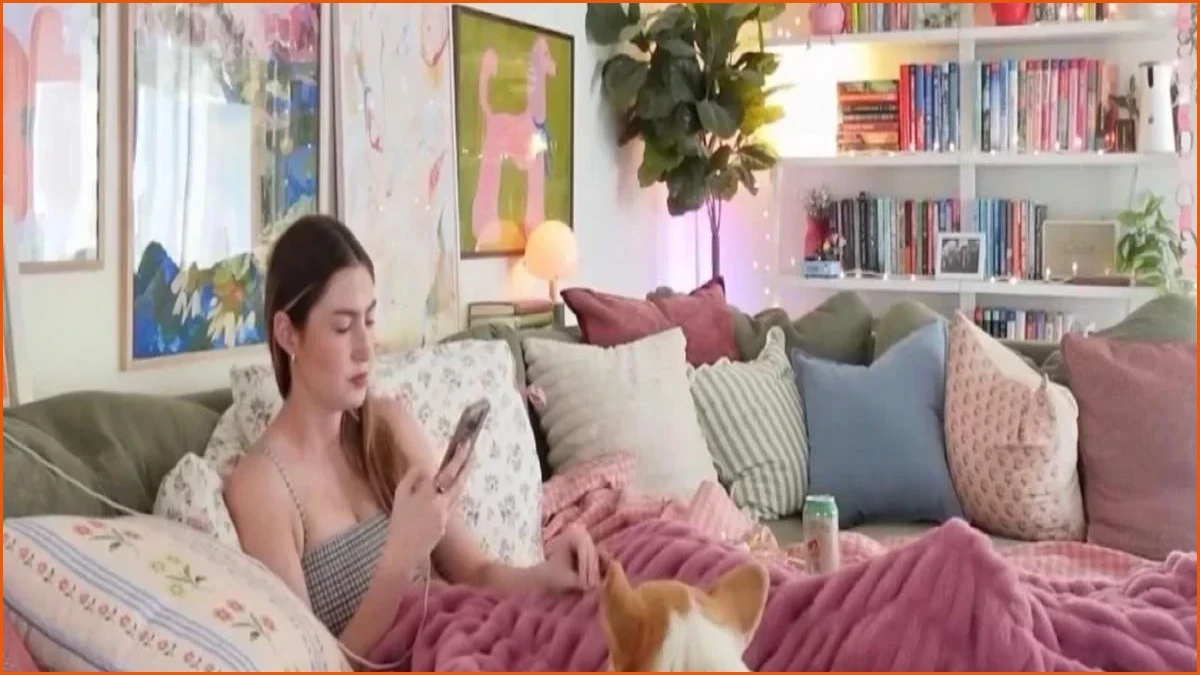
Devon Noehring, a full-time content creator and self-proclaimed introvert from Phoenix, Arizona, finds it frustrating that her solo weekends spent cooking and relaxing at home with her dog are interpreted as symptoms of loneliness. "It's the exact opposite intention of our videos," she stated, emphasizing her desire to combat the stigma that equates being alone with being lonely. Noehring, who has a close group of friends, felt ashamed of her introverted nature growing up. Sharing her insecurities online helped her connect with fellow introverts. She finds that being alone allows her to feel most free and like herself, serving as a way to recharge and fostering pride in her independence.
Health researchers acknowledge the distinction between loneliness stemming from circumstances and the choice to spend time alone. Professor Melody Ding, an epidemiologist at the University of Sydney studying social connection, notes that while influencers can make solitude appealing, humans fundamentally need social connection for their mental and physical well-being. "We're a social species," Ding explained, adding that companionship improves survival. She hopes those who have experienced relationship loss will eventually de-emphasize the lack of friends and forge new bonds, stressing the importance of positive relationships that nourish life.
Even when experiencing loneliness, the influencers maintain it does not define their lives, nor do they aspire to remain permanently friendless. SJ Hoadley, a cleaner in the UK who started documenting her solo living after discovering Isa's videos, stated, "We never describe ourselves as lonely." She feels her lack of friends bothers others more than herself. After leaving an abusive seven-year relationship, Hoadley moved to a new area where she knew no one. Despite an initial shock, she began to enjoy and embrace her independence and comfort in her own company. She calls herself an "accidental influencer" and never anticipated gaining a large following.
Dr. Anne Oeldorf-Hirsch, a specialist in online community building at the University of Connecticut, suggests that in a social media landscape often dominated by curated perfection and FOMO, solo living content offers validation for those who relate to this lifestyle. She believes this trend reflects a backlash against the constant display of "highlight reels" and fulfills a social need for creators and audiences by providing balance against hyper-glamorized influencer culture. Oeldorf-Hirsch observes a move towards more authentic influencers who share their genuine lives, allowing viewers to find relatable figures.
The online connections forged through this content have inspired the creators. Hoadley is hopeful about finding a "little group of girlfriends" in the future. Noehring plans to organize real-world meet-ups with her virtual community, and Isa feels the support has encouraged her to consider making friends again. Hoadley summarized the underlying message as "find your path," advocating for individual journeys rather than adhering to a singular, socially imposed ideal.
"Being alone is where I feel my most free and most like myself," she says. "That's how I recharge, and I feel very proud of myself for being independent and doing things alone… I think it's something that should be celebrated."
"There's been this kind of long growing backlash against the idea that we're seeing everybody's perfect life, their highlight reel," she says.