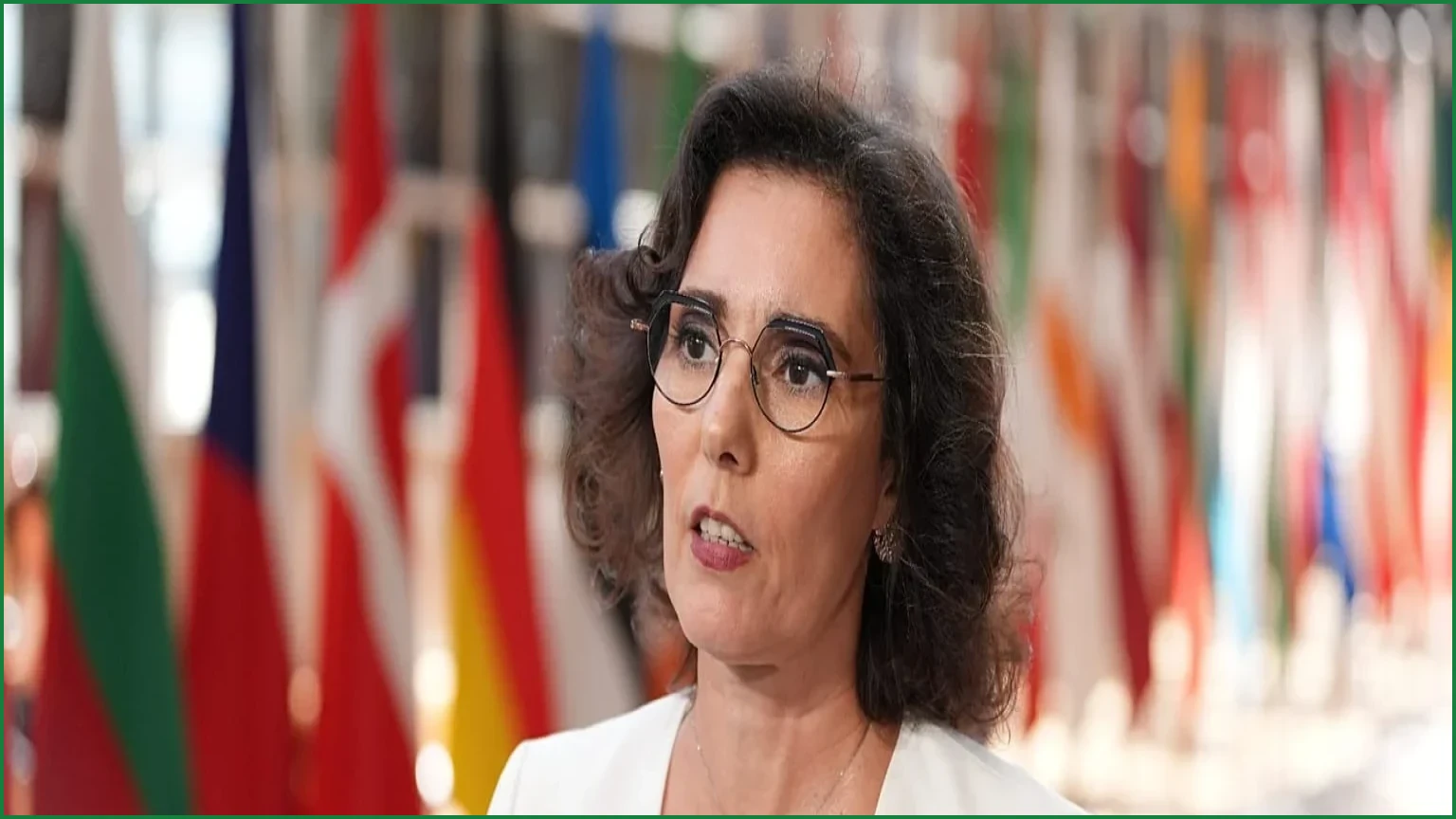
European Commissioner for crisis management, Hadja Lahbib, has firmly dismissed assertions from climate skeptics who attribute Europe's increasingly intense wildfire seasons solely to hot summer weather. During an exclusive interview conducted in France, Lahbib described the blazes currently sweeping through southern Europe as the most significant wake-up call the continent has faced in years. She emphasized that climate change is no longer a distant threat, stating, "Climate change is not knocking at our door. It is here." She further challenged deniers to observe the reality on the ground, urging them to "come here and see the situation, open their eyes."
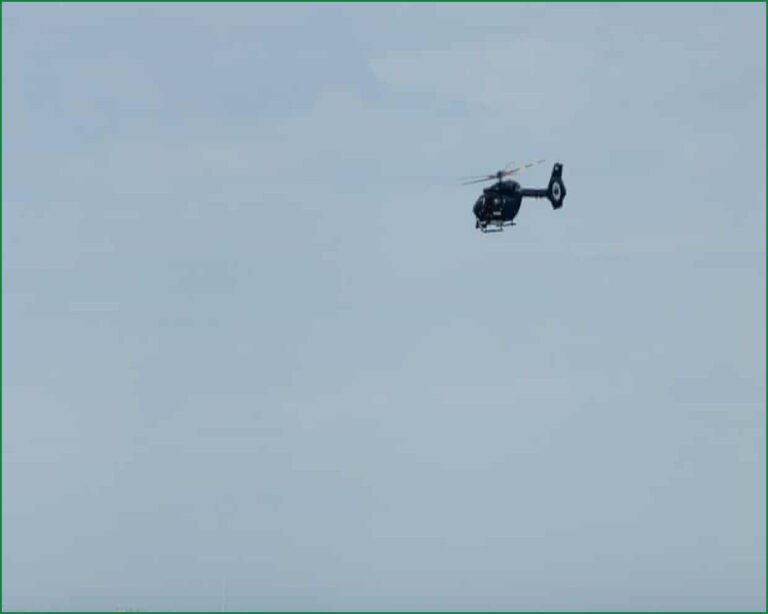
These sentiments were mirrored by EU competition chief Teresa Ribera, who characterized the stance of climate deniers as "dangerous and stupid." Ribera drew a stark comparison, suggesting that such individuals are essentially "giving alcohol to alcoholics and telling them it's okay to drive." Lahbib’s comments followed her aerial inspection of the Gironde region in France, where more than 42,000 hectares have been scorched, marking one of the worst wildfire disasters in the country in several decades.
The current emergency situation extends beyond France, with Greece, Turkey, and Tunisia also seeking European assistance. Brussels now views these requests as part of a continent-wide climate security challenge rather than isolated national events. Lahbib defended the European Commission's proposal to dedicate €10.7 billion toward preparedness measures in the next long-term budget, arguing that Europe must prioritize disaster anticipation over reactive measures. She pointed out that the wildfire season began as early as April 30, when the Netherlands—a country not typically associated with such risks—first activated the EU Civil Protection Mechanism.
Piotr Borkowski, Executive Director of the European State Forest Association, warned that the outlook remains negative, particularly for the Mediterranean and the Iberian Peninsula. According to Borkowski, early summer heatwaves have caused extreme moisture loss in vegetation, heightening the risk of rapid, intense fire spread. He noted that the crisis is compounded by structural and territorial issues, specifically the abandonment of traditional land management practices like forestry, agriculture, and livestock farming, which, when combined with evolving climate conditions, creates a high likelihood of extreme wildfire development throughout the summer.