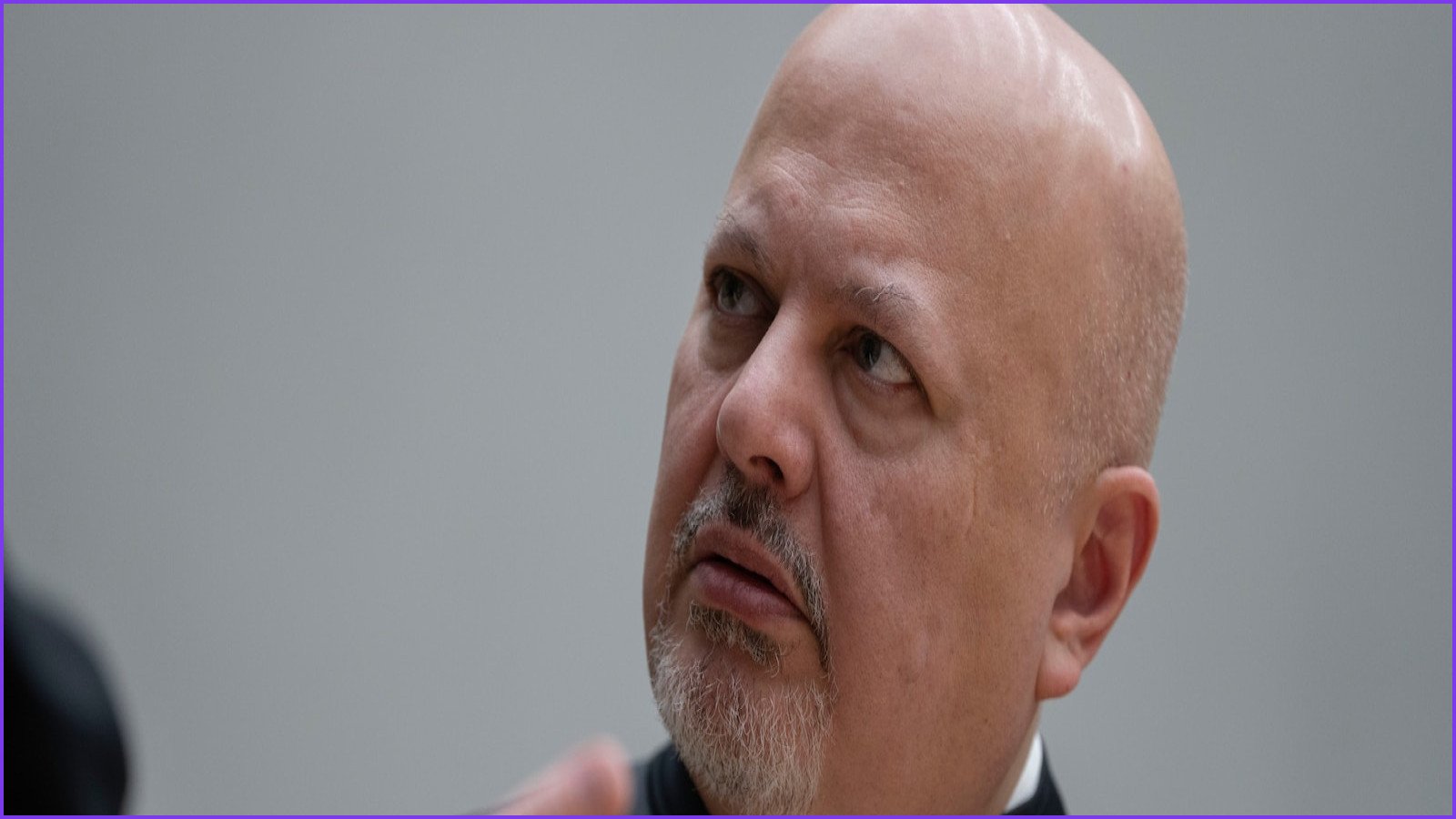
The International Criminal Court (ICC) is navigating a period of profound uncertainty following the swift and decisive removal of its chief prosecutor, Karim Khan. On Friday, a large majority of the court’s 125 member states voted to oust the British barrister, concluding a bruising process that has left the global institution in uncharted territory. Khan has steadfastly denied the allegations of sexual misconduct involving a female aide, which were detailed in a series of reports. According to documents reviewed by the AP, the accusations included claims that Khan engaged in a sexual relationship with the woman and subsequently attempted to prevent her from pursuing her formal complaints.
The proceedings at the United Nations headquarters in New York concluded much faster than originally planned. Although a full day had been set aside for the session, a morning motion that would have created higher hurdles for the removal failed, leading diplomats to move to a final vote several hours ahead of schedule. Iva Vukusic, a researcher at Utrecht University who has closely monitored the situation, expressed surprise at the outcome, noting that the numbers indicate a level of agreement among member states that was previously underestimated. In the wake of the vote, diplomatic officials familiar with the discussions revealed that representatives from several countries currently under ICC investigation met on the sidelines to strategize on how to navigate potential impasses. One official emphasized that the priority remains bringing all member states back together, regardless of the outcome of the vote.
The removal of the chief prosecutor occurs as the tribunal faces intense external pressure. U.S. Secretary of State Marco Rubio recently announced that Washington is launching a comprehensive campaign to dismantle the ICC, citing it as a threat to U.S. sovereignty. The Trump administration has already imposed sanctions on Khan and a dozen other court staff members in retaliation for investigations into U.S. military personnel in Afghanistan and Israeli officials in Gaza. Shortly after the vote, Venezuela’s foreign affairs minister, Félix Plasencia, announced that his country would withdraw from the court, alleging that the institution suffers from a demonstrated geographical bias.
The controversy surrounding Khan became deeply entwined with the court’s ongoing investigation into the war in Gaza. While some supporters of the prosecutor argued that the warrants issued for top Israeli officials, including Prime Minister Benjamin Netanyahu, were at risk, Palestinian representatives pushed back against that interpretation. Palestinian Ambassador to the Netherlands Ammar Hijazi stated that the vote to remove the prosecutor was not a political proxy for any specific situation before the court. Furthermore, legal experts and officials confirmed that the removal will have no immediate impact on existing arrest warrants, as those can only be withdrawn by the court’s judges.
The court’s operations are currently being managed by Khan’s two deputy prosecutors, who have been leading the office since he stepped down in May 2025. The Office of the Prosecutor stated that this leadership arrangement will continue until a new chief is selected. The timeline for that replacement remains unclear, especially given that Khan’s own election in 2021 took approximately 18 months and faced criticism from civil society groups regarding the lack of stringent background checks to ensure candidates met the requirement of high moral character.
The legal saga may not conclude with the removal vote. Attorney Tayab Ali announced that Khan intends to challenge the lawfulness and fairness of the decision through all available legal mechanisms. While there is no formal appeals process for his removal, all ICC staff members are entitled to bring complaints to a special labor tribunal based in Geneva. Khan’s legal team has criticized the process, alleging that he was blocked from addressing the session on Friday and that the regulations were rewritten specifically to disadvantage him. As the court prepares for the week ahead, there is a sense of urgency to return to its core mandate. Vukusic noted that she hopes the court can now move forward and focus on its essential work of handling cases.