New data from the Centers for Disease Control and Prevention indicates that measles cases in the United States have reached their highest level in nearly three decades. Just seven months into 2026, the nation has already surpassed the total number of infections recorded throughout all of 2025, marking a significant and concerning milestone for public health officials.
As of Thursday, July 23, the CDC reported 2,318 confirmed measles cases stemming from 35 separate outbreaks. These infections have spread across 43 states and Washington, D.C. The surge has resulted in at least 151 hospitalizations, though no deaths have been reported so far this year. Data shows that 93% of the cases occurred in unvaccinated individuals, and nearly 69% of the patients were children aged 19 or younger. Of the total 2,318 cases, only 16 were linked to international travel, indicating widespread domestic transmission.
This year's figures follow a 2025 trend that reached a 30-year high, with 2,289 confirmed cases across 43 states and D.C. for the entire year. During that period, nearly 90% of cases were linked to 48 known outbreaks, and 93% of infections were contracted by unvaccinated people or those whose vaccination status was unknown. The 2025 outbreaks resulted in three deaths, including two children, which marked the first pediatric death from the disease in a decade.
Dr. Richard Besser, president and CEO of the Robert Wood Johnson Foundation and former acting director of the CDC, stated that the number of measles cases reported in the United States over the past 18 months exceeds the combined total of the previous 25 years. He described this threshold as a tragic reminder that the disease has made an alarming comeback. Besser emphasized that while most children recover, every new case represents a child at higher risk of hospitalization, lifelong health complications, and death, while also indicating a community at risk for further spread.
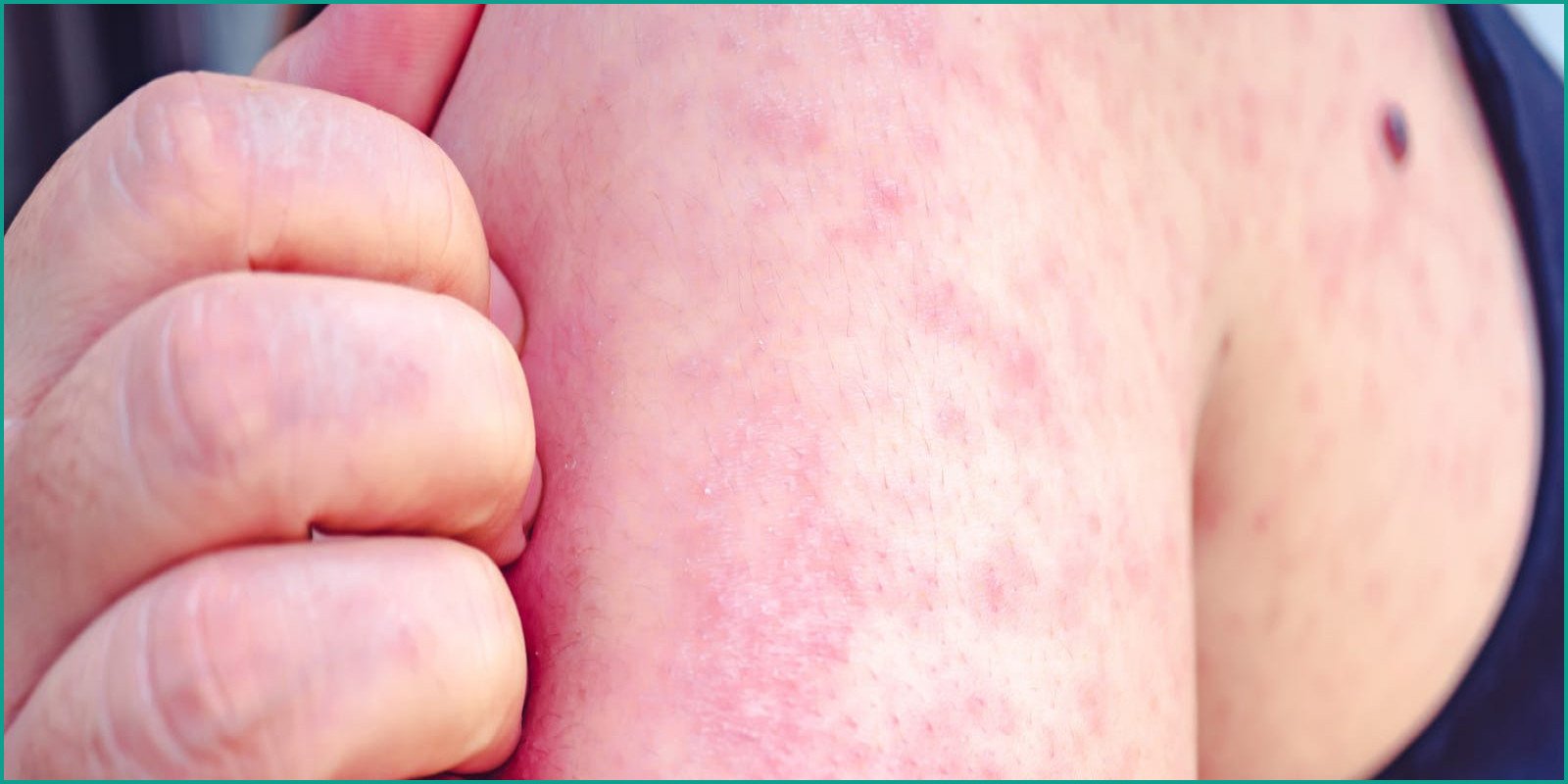
Measles is a highly contagious, vaccine-preventable viral disease that primarily and most severely affects children. According to the World Health Organization, the virus infects the respiratory tract before spreading throughout the body. It is characterized by high fever, cough, runny nose, watery eyes, and rashes or bumps that appear seven to 14 days after exposure. The virus is so contagious that 90% of unvaccinated people who are exposed end up contracting it, and 1 in 5 of those individuals end up hospitalized.
The MMR vaccine provides 97% efficacy against the disease and is typically administered in two doses: the first at 12 to 15 months and the second at ages 4 to 6. However, vaccination uptake has declined in recent years, leading to a growing number of states failing to report rates consistent with herd immunity. When more than 95% of a community is vaccinated, most people are protected, even those who cannot receive the vaccine themselves. CDC data shows that vaccination coverage among U.S. kindergartners decreased from 95.2% during the 2019–2020 school year to 92.5% in the 2024–2025 school year, falling well below the necessary threshold.
Outbreaks, such as the large one focused in Texas in 2025 involving an under-vaccinated Mennonite community, often occur within pockets of unvaccinated people. This resurgence has placed the United States at risk of losing its measles elimination status, which the WHO defines as freedom from the continuous spread of the disease for at least a year. The Pan American Health Organization is set to review the elimination status for the U.S. and Mexico in November, a review pushed back from April due to the 2025 outbreaks. PAHO previously removed Canada's elimination status last November after three decades.
The virus is one of the most contagious infectious diseases; so contagious, in fact, that 90% of unvaccinated people who are exposed end up contracting it. Additionally, 1 in 5 of those people end up hospitalized, according to the CDC.