The United States government intends to take action to stop violent gangs in Haiti from generating income through social media, according to the U.S. envoy to the United Nations. Mike Waltz, who recently visited Haiti, described the practice as "incredibly disturbing" and vowed that the U.S. would "shut that down" in the near future. He made these remarks during a U.N. Security Council meeting in New York, though he did not provide specific details on the planned measures.
Gang leaders in Haiti actively use social media to showcase killings, issue threats, and post about their activities. Younger gang members also create music videos and display cash to attract children in the impoverished nation. This tactic is part of a broader strategy by gangs to maintain control and influence.
The announcement comes as the U.S. prepares to revoke Temporary Protected Status for approximately 350,000 Haitians residing in the United States, potentially exposing them to deportation. This move has drawn criticism from legal and human rights experts.
Efforts to curb gangs' social media activities are not unprecedented. In 2023, YouTube banned Johnson André, also known as Izo and considered Haiti's most powerful gang leader, after he received an award for reaching over 100,000 subscribers, following significant backlash.
Gang violence has had devastating consequences for Haiti. A record nearly 1.5 million people have been displaced, and more than half of the country's population of nearly 12 million requires humanitarian aid. Since January, over 2,300 people have been killed and more than 1,100 injured, according to U.N. figures. Clashes in the Cite Soleil slum earlier this year resulted in 542 deaths and 355 injuries, with at least 176 women and girls reported raped.
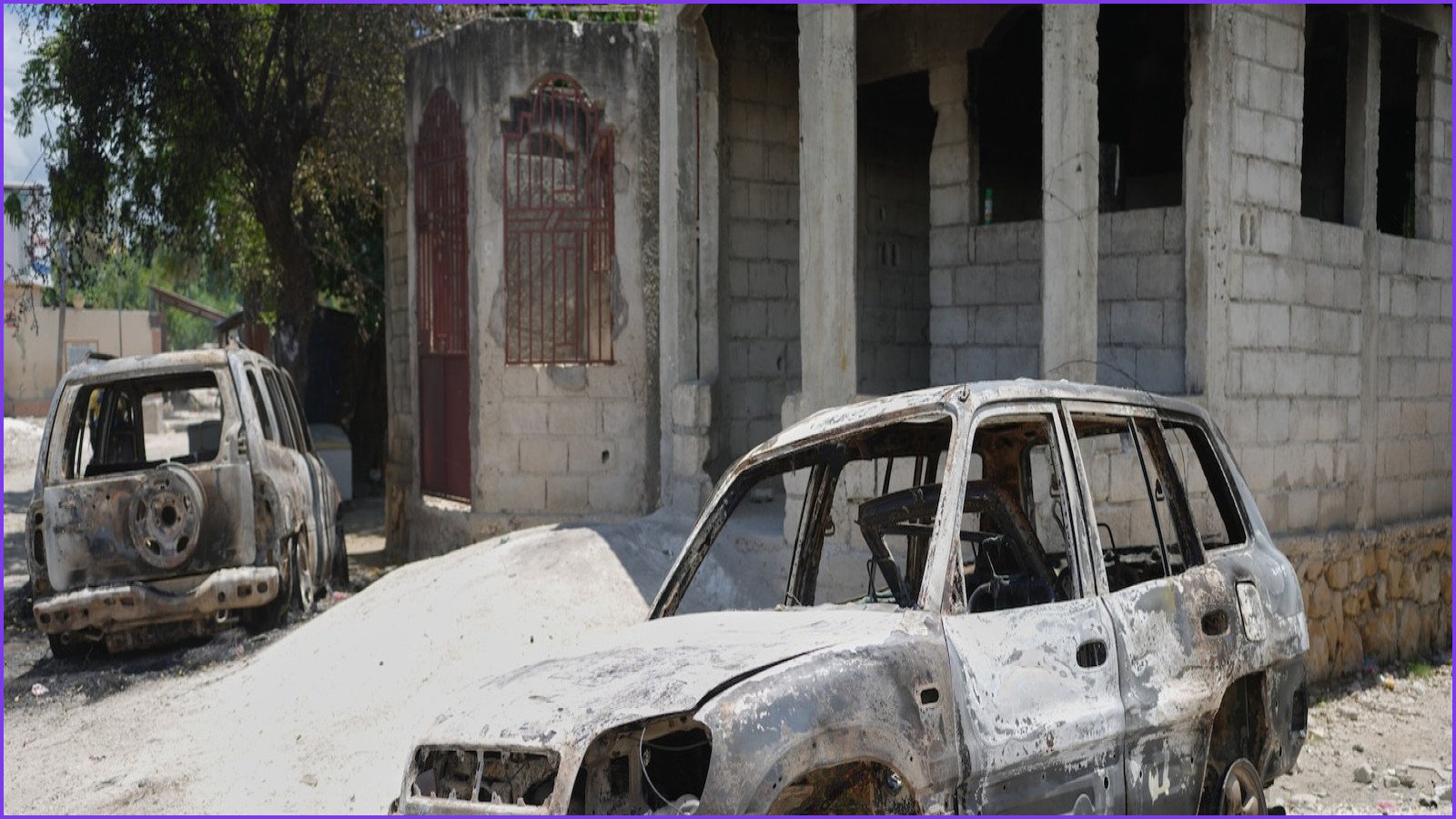
Waltz recounted a recent incident where gangs surrounded an armored vehicle stuck in a ditch, setting it on fire and forcing Haitian police officers to flee. He described the horrific scene, stating their bodies were pinned to the vehicle to send a message. "I want everyone to understand the fight ahead," Waltz added.
He also highlighted Haiti's need for equipment, such as heavy bulldozers, to clear streets and gang-controlled checkpoints. Gangs have seized control of roads, ports, hospitals, prisons, and other state infrastructure. "Haiti’s just a few hundred miles from Florida," Waltz noted, emphasizing its critical interest to the United States.
Gangs are estimated to control about 70% of Port-au-Prince, and approximately half of their members are children, according to the U.N. Poverty and hunger are escalating, with Vanessa Frazier, the U.N.'s special representative for children and armed conflict, calling the situation for children in Haiti "among the most alarming anywhere in the world." Children are reportedly being killed, maimed, abducted, recruited, displaced, and denied basic protections.
Jack Christofides, special representative of the U.N.-backed gang suppression force in Haiti, confirmed that the force has established its headquarters, deployed its first forward operating base, and begun operations against gang infrastructure. However, he cautioned that the political and humanitarian environment remains challenging, and gangs are likely to adapt their tactics.
The international community is urging Haiti to hold general elections, the first in over a decade. The country is currently led by Prime Minister Alix Didier Fils-Aimé, appointed after the assassination of President Jovenel Moïse in July 2021, since which gang violence has dramatically increased. Seven of Haiti's 10 provinces are prepared for electoral activities, but the gang suppression force is crucial for restoring security in the remaining three, including the capital, Port-au-Prince, according to Raina Forbin, Haiti’s foreign affairs minister. Carlos Ruiz Massieu, the U.N. secretary-general’s special representative for Haiti, noted that voter registration, which began Monday, will provide a clearer picture of voter distribution amidst displacement.
Haiti's National Police, which is understaffed and underfunded, is expected to gain an additional 4,000 officers by the end of the year. Additionally, 1,500 recruits are anticipated to join the revived Haitian Armed Forces.