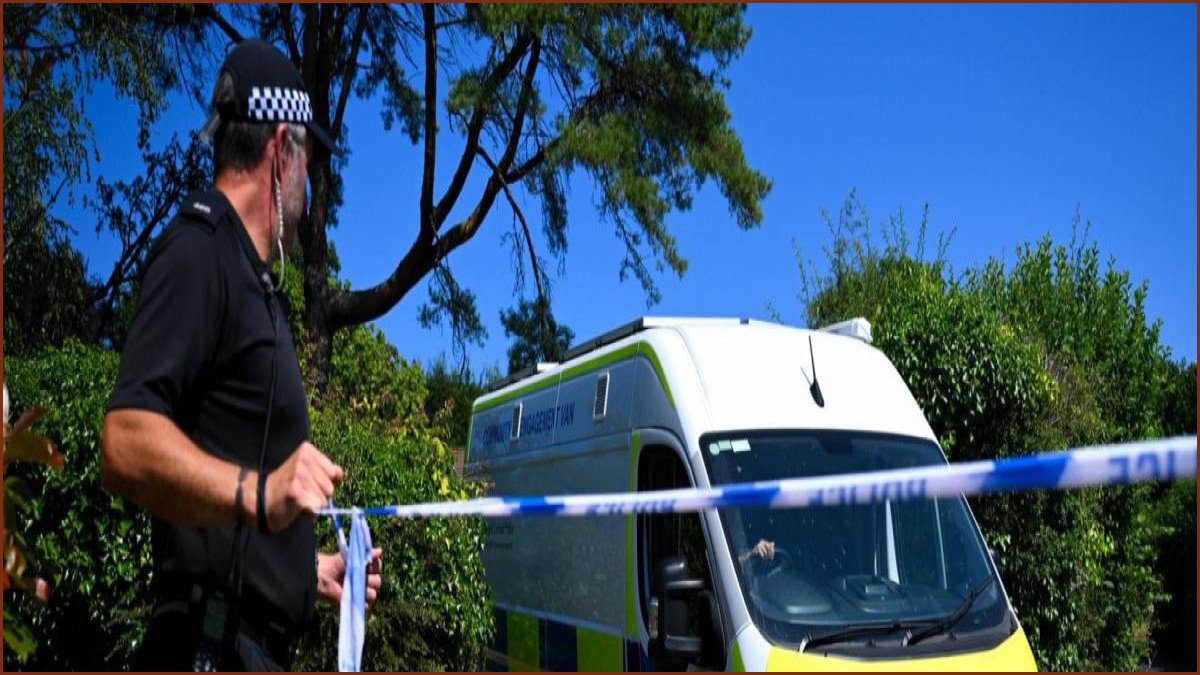
The recent death of Ann Widdecombe has reignited a somber conversation within the House of Commons regarding the safety of those in public life. On Monday, lawmakers gathered to reflect on Widdecombe’s character and convictions while grappling with the pressing question of how to better protect politicians.
The atmosphere was one of reflection, as many MPs acknowledged that concerns over personal safety have become a persistent, private reality for those serving in office.
Sir Bernard Jenkin, a long-serving Conservative MP, highlighted the severity of the situation by noting the statistical reality that members of parliament currently face a higher likelihood of meeting a violent death than personnel serving in His Majesty's armed forces or the British police.
Plenty, including those who have been MPs for decades, said it felt more dangerous than ever – and many blamed social media for contributing to an atmosphere where violent language and abuse had been normalised.
Former Conservative leader Sir Iain Duncan Smith urged the government and Home Secretary Shabana Mahmood to take decisive action against social media companies. He emphasized the necessity of curbing the visceral and violent language used to attack public figures, arguing that such rhetoric is the root cause of violence and death.
In response, Home Secretary Shabana Mahmood said: "The government has already done some work in this area, but I'm sure we will have to go further."
Mahmood also addressed the public concerns raised by Reform UK leader Nigel Farage regarding his own security. She has offered him a meeting with the chair of the Royal and VIP Executive Committee (Ravec), the group of officials responsible for overseeing the security of MPs. Farage publicly acknowledged the offer and indicated his intent to discuss the safety of all Reform politicians during the meeting.
However, a Reform spokesperson criticized the current security arrangements, alleging that Mr. Farage’s security package was reduced by 75% without a clear justification shortly after the assassination of Charlie Kirk, during a time when threats against right-wing figures were escalating.
The circumstances surrounding Widdecombe’s death and the broader demands for security review underscore the complex challenges authorities face in assessing threats. Beyond the 650 sitting MPs, the debate extends to former members, as well as prominent political figures who are not currently MPs, such as Green Party of England and Wales leader Zack Polanski and the Reform Mayor of Lincolnshire, Andrea Jenkyns.
These ongoing security concerns have raised deeper questions about the future of public service and whether the current climate in Westminster will deter the next generation of politicians and their families from entering public life.