In Liberia, a West African nation with deep historical ties to the United States, the first Thursday in November marks a unique national holiday: Thanksgiving. For many Liberians, such as Yvonne Capehart Weah, the day is a time for large family gatherings that reflect both the country's history and its modern cultural landscape.
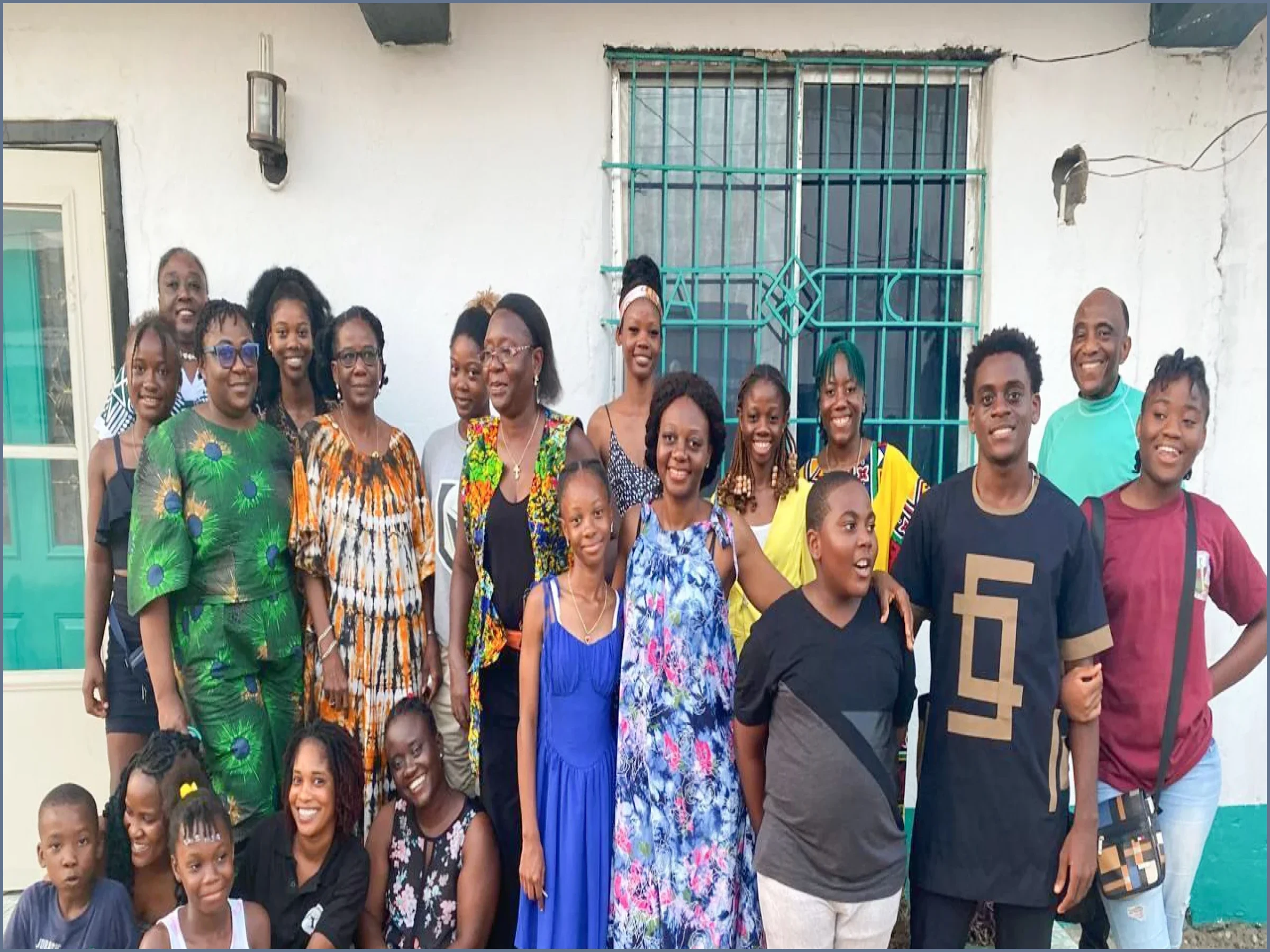
Weah, one of twelve siblings, grew up in the township of Caldwell, where her family still gathers annually. Because these family groups are often so large, they frequently move the celebration outdoors, setting up under the trees to accommodate everyone in a festive, party-like atmosphere.
The roots of this holiday extend back to the early 19th century, following the arrival of the American Colonization Society. The community that eventually became Liberia was founded by Black Americans, including both formerly enslaved individuals and those born free, some of whom arrived voluntarily while others were forced.
According to Weah, these settlers brought their American traditions with them, though the holiday has since evolved significantly in response to the nation's own history.
Liberia declared its independence in 1847, but the country faced ongoing territorial pressures from the British. In 1883, President Alfred Francis Russell, who served as an Episcopalian priest, issued a call for divine intervention to protect the nation's borders from foreign incursions. This prayer for protection and sovereignty resonated deeply with the populace.
Following the successful maintenance of their territory, the legislature officially established Thanksgiving as a national holiday centered on religious gratitude. Weah explains that for many, the day is about giving thanks to God for freedom, divine protection, unity, and the harvest.
While the celebration often begins with church services, the holiday is observed by people of all faiths in Liberia. Sekou Muhammad Sheriff, a YouTuber who documents the country's cultural heritage, notes that Muslims also attend mosques to pray on this day. He emphasizes that the holiday is a collective observance for Christians, Muslims, and other religious communities throughout the country.
For many, including Sheriff, childhood memories of Thanksgiving involve specific customs, such as receiving new outfits—often a shirt-trouser suit—and enjoying traditional foods. The menu is diverse and varies from household to household.
Unlike the American tradition, turkey is not the centerpiece. Instead, families serve dishes like fried, smoked, or roasted chicken, alongside jollof rice and various stews.
A staple at many tables is a soup made from a mix of cassava, fish, chicken, okra, and chili pepper, which is often served with fufu. Another local delicacy includes stews made with sweet potato leaves or garden-collected snails, which Sheriff describes as "king's meat."
Though some, like Weah, prefer reading to spending time in the kitchen, the spirit of the day remains one of profound gratitude. For Sheriff, even in years when he lacks the resources to host a large gathering, the day serves as a reminder to be thankful for his health and the peace that has persisted in Liberia since the end of the civil conflicts that spanned from 1989 to 1997 and 1999 to 2003.
Weah echoes this sentiment, noting that her own gratitude encompasses her past, her present, and her faith in the future. As a program manager at the We-Care Foundation, an education nonprofit focused on child literacy, Weah views the future through the lens of empowerment, noting that "a reading child will become a reading elder" who can make informed decisions that benefit society.