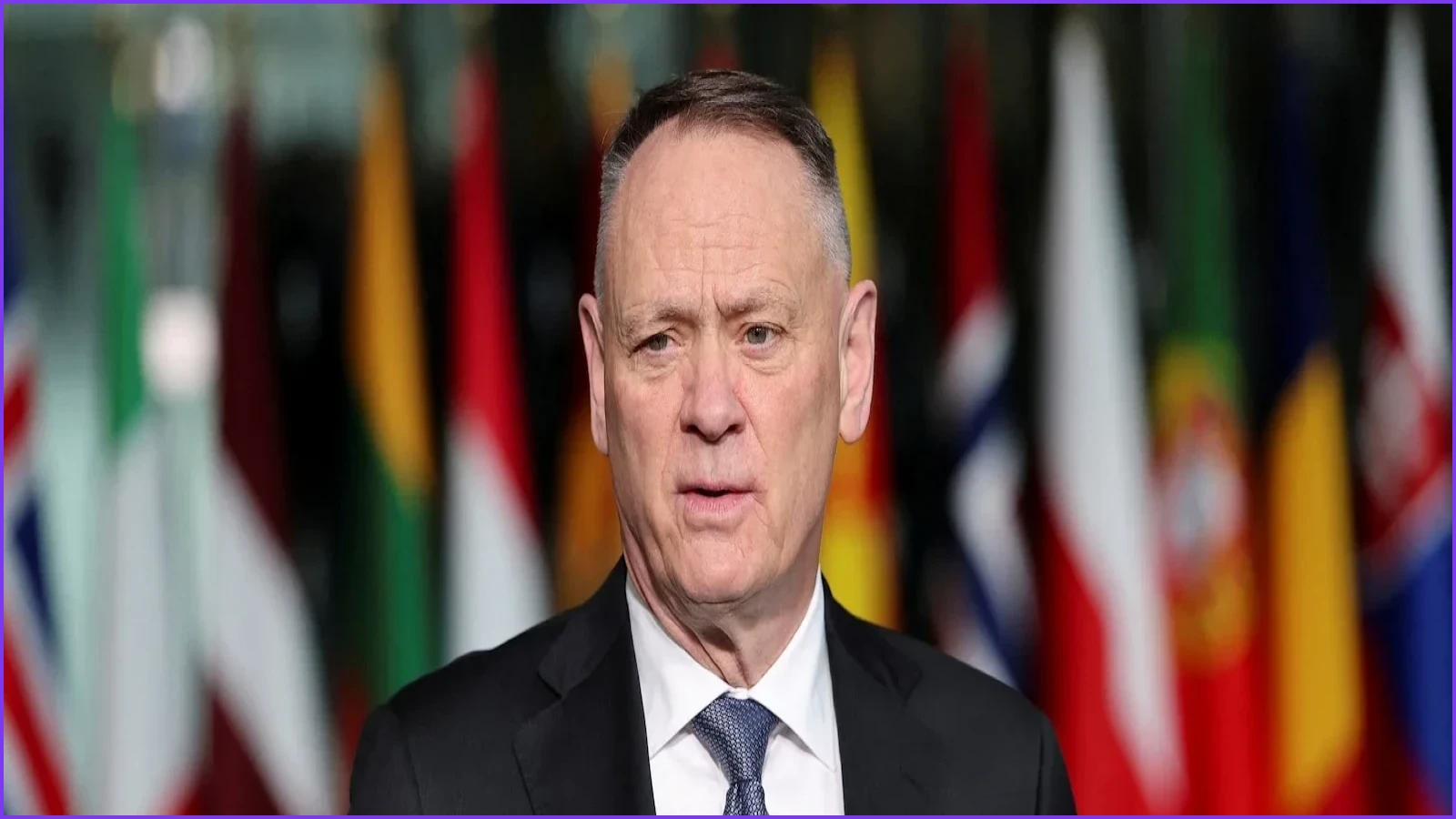
Canada’s defense minister, David McGuinty, firmly asserted the country’s sovereignty on Tuesday, declaring that Canada answers to no one in Washington. This statement followed a blunt assessment from the Pentagon that accused Ottawa of neglecting its military obligations and failing to establish a credible plan to meet NATO spending targets.
The Pentagon’s fact sheet, released on Monday, characterized Canada as having relied on American taxpayers for decades to cover its defense costs. It further alleged that Ottawa has strategically postponed its most significant spending increases until after the 2029 federal election. The Pentagon stated that Canada's defense shortfalls are self-evident and urged the government to get serious and focused. According to the Pentagon, U.S. Defense Secretary Pete Hegseth is laser-focused on the modernization of the Canadian military.
Addressing these claims, McGuinty told reporters that Canada is a sovereign nation and does not report to the United States. He highlighted that Canada has committed to reaching a defense spending level of 4% of GDP by 2030, which he described as a significant increase from the 1.25% of GDP recorded 14 months ago. Additionally, McGuinty noted that his government intends to examine the 5% commitment by 2029. He maintained that Canada is actively executing the investments it has already announced.
Tensions between the two allies have been exacerbated by broader diplomatic strains, including threats of a trade war and comments regarding Canada’s status. The Pentagon’s criticism coincided with a classified directive from Hegseth that restricts U.S. officials from participating in Canadian think tank events and social gatherings. This policy has notably impacted the Halifax International Security Forum, an annual event now in its 18th year. Democratic U.S. Senator Andy Kim criticized the restriction, noting that the directive prevented American servicemembers in uniform from attending the forum. Republican U.S. Senator Mike Rounds stated that while the directive is in place, it is not expected to affect joint military operations or intelligence sharing.
Despite these frictions, McGuinty confirmed that cooperation with Washington via the North American Aerospace Defense Command (NORAD) and work within NATO remain unchanged. The Pentagon also voiced concerns regarding Ottawa’s review of its planned purchase of 88 American-made F-35 fighters, suggesting that a mixed fleet could negatively impact personnel shortages and NORAD operations. Prime Minister Mark Carney initiated the review amid ongoing trade disputes, with Canada reportedly considering Swedish-made Gripen fighters as an alternative that could potentially support domestic manufacturing jobs.