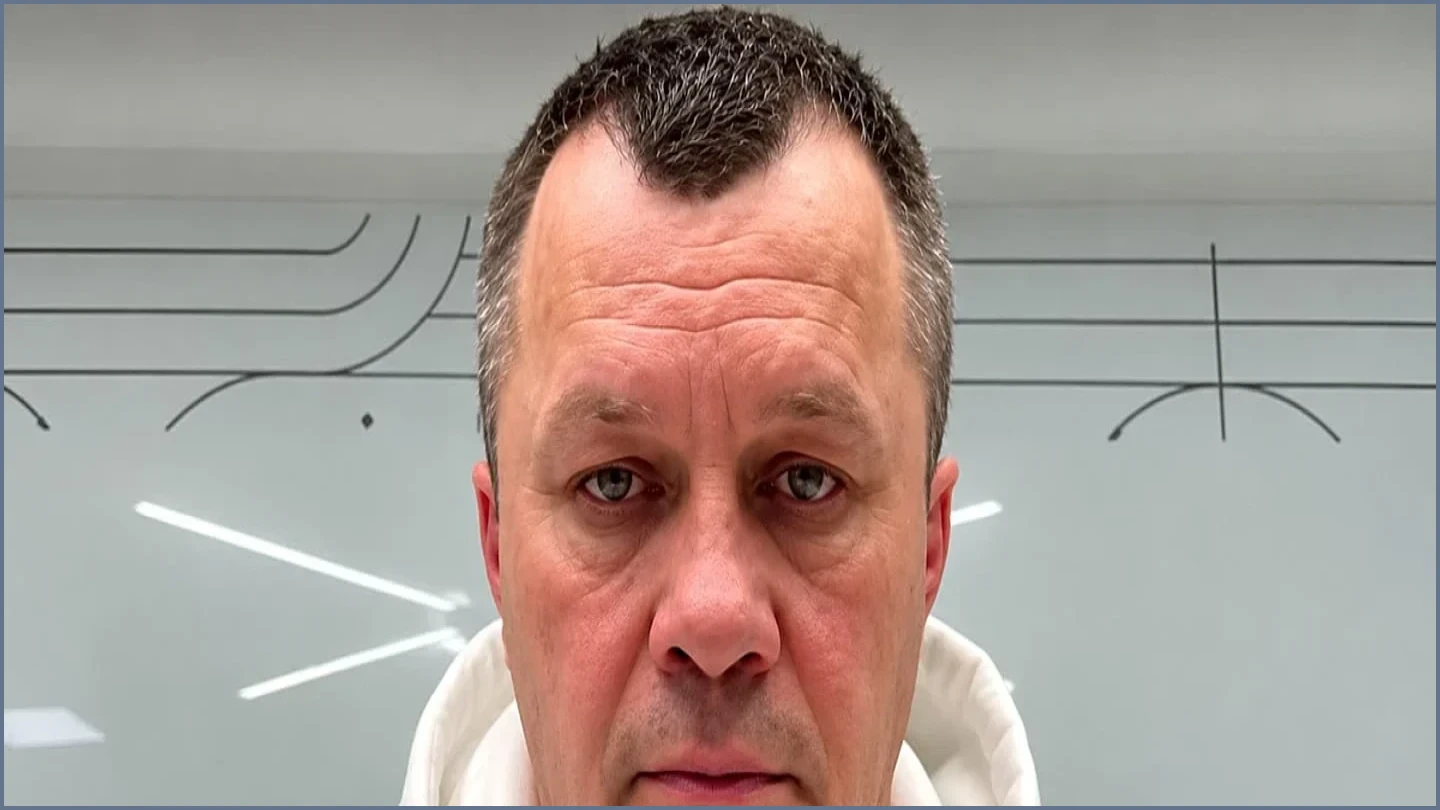
Tymofiy Mylovanov, president of the Kyiv School of Economics, has issued a stark warning to European leaders that withdrawing financial support for Ukraine could result in significantly higher defense costs and increased security threats across the continent. His remarks arrive as the European Union prepares for a summit in Brussels, where the bloc's next long-term budget and continued funding for Kyiv are set to be major points of contention.
While German Chancellor Friedrich Merz has tied his support for the EU budget to ongoing financial aid for Ukraine, nations including Slovakia, Hungary, Czechia, and Bulgaria have expressed reluctance toward providing further capital. President Volodymyr Zelenskyy has called for a swift delivery of funds, noting that the European Commission recently proposed a loan of up to €45 billion for 2027 to address a financing shortfall estimated at €70 billion.
Mylovanov highlighted that Ukraine's rising defense costs are a direct result of Russia's escalating military scale and the increasing sophistication of battlefield technology. He emphasized that as Russia invests more in its own military hardware, Ukraine is forced to respond with more advanced drones, missiles, and interceptors. Furthermore, as winter approaches, Russian strikes targeting energy and transport infrastructure have disrupted public services and logistics, adding significant strain to the Ukrainian economy. He noted that drones equipped with advanced sensors, software, and artificial intelligence are becoming increasingly expensive.
According to Mylovanov, viewing aid to Kyiv as an investment in European security is essential. He suggested that if Ukraine is weakened, it could trigger a military or political crisis that would allow Moscow to threaten other European nations, specifically naming Poland, the Baltic states, and southern Europe as vulnerable. "As long as Ukraine is containing Russia, Europe gets a breathing space to build up its capabilities and defence," he stated, adding that "it's simply cheaper to fund Ukraine and support Ukraine." He warned that Russia would immediately divert resources to operations in the broader European area if Western assistance were withdrawn.
Mylovanov also dismissed the notion that cutting funding would force Kyiv to make concessions and hasten an end to the war, pointing to Russia's history of violating previous agreements. He expressed skepticism regarding US-mediated diplomatic efforts, noting that Moscow has not demonstrated a genuine willingness to end the conflict. Instead of relying on "cheap talk," he advocated for tangible, limited agreements such as prisoner exchanges, infrastructure truces, or Black Sea ceasefires to demonstrate progress. He suggested that partners should create conditions where Russia has no alternative but to engage in substantive negotiations.
Regarding future peace negotiations, Mylovanov emphasized that any settlement must be backed by credible security arrangements, including clearly defined contact lines and the presence of observers or troops. He cautioned that European partners should focus on creating conditions where Russia has no alternative but to negotiate substantively, rather than judging a future settlement solely by the concessions it may require.
"I'm an economist by training and we have the entire field of strategy which is called cheap talk, which means talk is cheap, actions are costly," he said.