Nearly 700,000 women across the UK are being invited to participate in the world's largest clinical trial investigating the role of artificial intelligence in breast cancer screening. The EDITH trial, which has already commenced recruitment at Cambridge University Hospitals, serves as the first of 30 participating sites throughout the country.
The initiative seeks to determine if AI can enhance early detection rates while alleviating the mounting pressure on clinical staff and preventing the over-diagnosis of benign conditions.
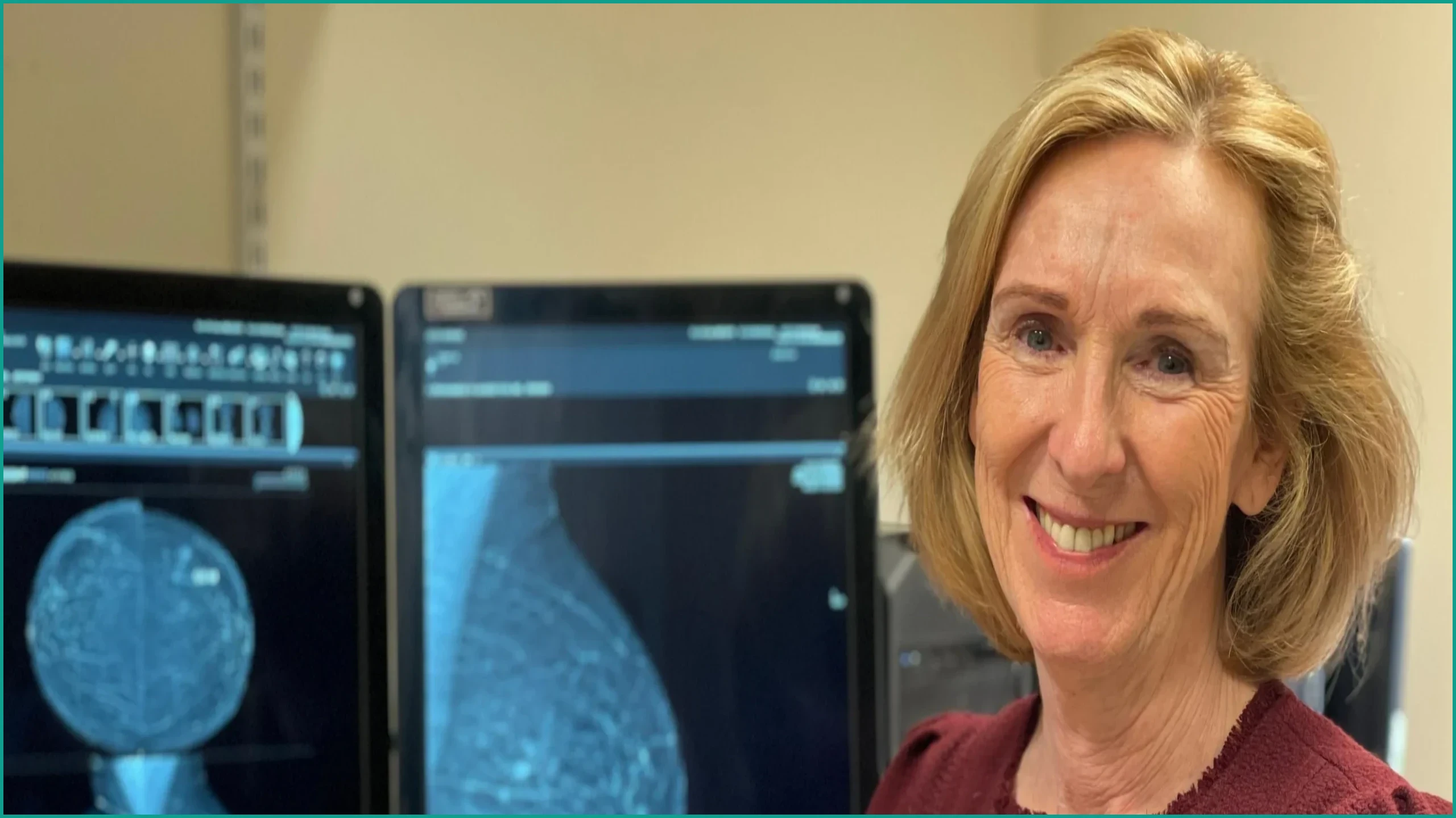
In the current UK screening model, women aged 50 to 71 are invited for a routine mammogram every three years, with more than two million individuals attending annually. Typically, two NHS specialists review each X-ray. Under the new trial, one of these human readers will be replaced by an AI system.
Researchers aim to confirm whether this technology can identify subtle tissue changes that might escape the human eye without causing the unintended harm of recalling women unnecessarily for further testing.
Machine-learning software used in the study has been trained on millions of previous images to recognize specific patterns.
Professor Sian Taylor-Phillips, co-chief investigator from the University of Warwick, emphasized the need for balance, noting that while technology could bolster early detection, the team remains committed to avoiding the over-diagnosis of milder diseases that would never have manifested as symptoms.
Breast cancer remains the most common cancer among women in the UK, with roughly 59,000 cases diagnosed annually. Approximately one-third of these are caught during routine screenings, which are estimated to prevent about 1,300 deaths each year.
Professor Fiona Gilbert, a co-chief investigator based at the University of Cambridge and an honorary consultant at Addenbrooke's Hospital, highlighted the efficiency gains the technology could provide. She noted that because less than 1% of the millions of women screened annually are found to have cancer, AI could streamline the review process, allowing specialist radiologists to dedicate more time to active patient care.
Prof. Gilbert also pointed to a significant shortfall in radiologists, compounded by an 8% annual increase in imaging examinations.
The £11m trial is funded by the National Institute for Health and Care Research and involves four AI companies. Over the course of the three-year study, researchers will test two different approaches: one where AI grades images before they reach human experts, and another where the software provides a review after the human assessment.
Participants will be informed of the study upon receiving their routine invitation but are not obligated to join, and the structure of the screening appointment itself will remain unchanged.
Health Secretary Yvette Cooper, during a visit to the Addenbrooke's Hospital breast screening unit, stated that AI holds immense potential to improve treatment, provided it is deployed with proper safeguards. Prof. Peter Johnson, national clinical director for cancer at NHS England, echoed this, urging eligible women to participate and noting that every scan will still be seen by a specialist.
Shirley Essex, 70, from Cambridgeshire, who was diagnosed with early-stage breast cancer a year ago following a routine screening, underscored the importance of the program. Although she is not part of the current study, she noted that her own cancer was caught early enough to avoid chemotherapy, emphasizing that without the routine mammogram, her condition would have continued to progress.