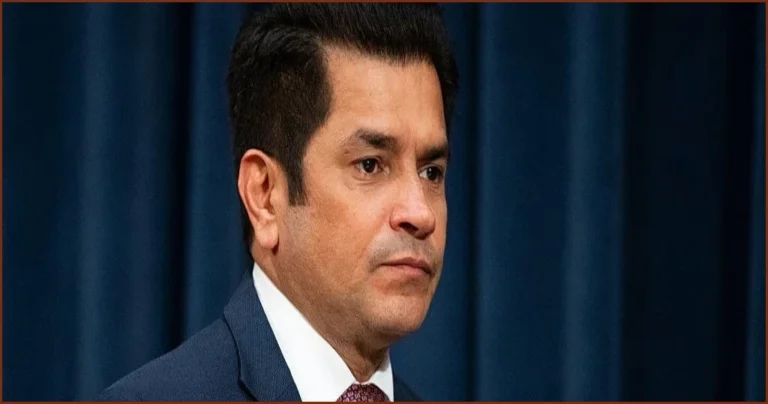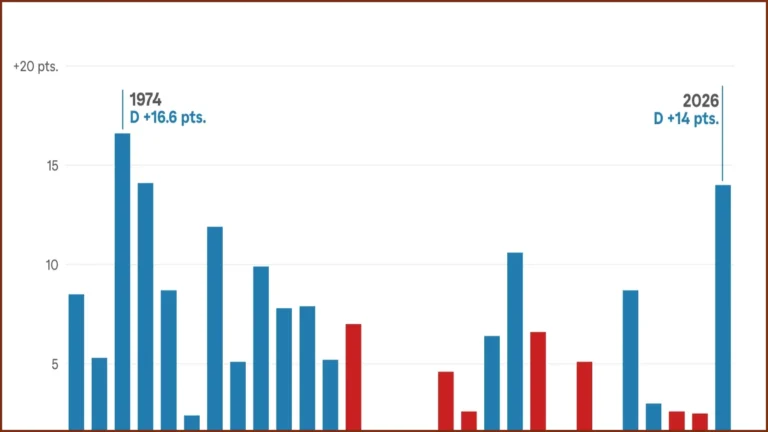
The Democratic Party has officially secured its largest majority in the US House of Representatives since 1992. This milestone was reached following the victory of Democrat Chuck Hubbard, who unseated Republican Representative Virginia Foxx in North Carolina. The race, which was one of the most closely contested in the recent midterms, was called on Sunday after Hubbard defeated Foxx by a margin of 330 votes with 99% of the ballots counted. The party also secured the Senate in the same election cycle.
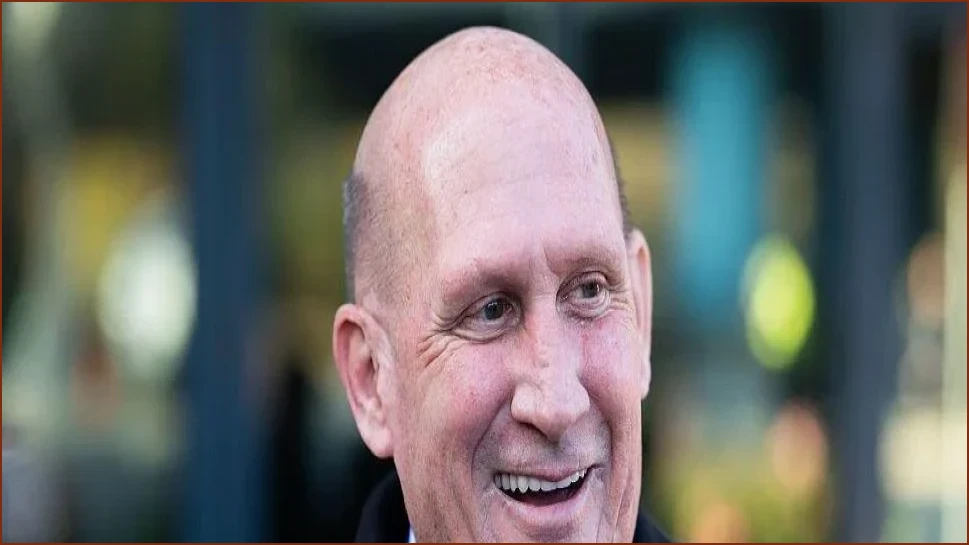
This outcome comes after Foxx, who has represented North Carolina’s 5th Congressional District since 2005, requested a recount. Under state law, such a request is permitted when the margin of victory is less than 1%. Following the process, Foxx conceded on Sunday. In a statement, she expressed humility and gratitude toward the voters who supported her campaign, which she described as being focused on conservative values and commonsense solutions, even though she ultimately fell short of the necessary votes. Foxx had previously served a decade in the North Carolina Senate before her tenure in the House.
Hubbard, a former journalist who first ran for office in 2022, confirmed on X that he had spoken with Foxx, who he noted graciously conceded following the recount. He praised her commitment to ensuring a smooth transition of the office and constituent casework. While acknowledging their political disagreements, Hubbard stated that both he and Foxx share a love for North Carolina and the people of the Fifth District. This victory marks a significant turnaround for Hubbard, who had lost to Foxx in the 2024 midterms by nine percentage points.
Nationally, Democrats have now secured at least 258 seats in the House, while Republicans hold at least 173, with four races still pending. This level of representation for the party has not been seen since 1992, the year Bill Clinton won the presidency and Democrats reached a total of 258 seats. Hubbard’s success follows a pattern of Democratic victories in traditionally Republican districts across states including Texas, South Carolina, Iowa, and Alaska.
Throughout his campaign, Hubbard emphasized concerns regarding the rising cost of living during the war with Iran, an issue that proved central to many voters. President Donald Trump and Vice President JD Vance have both suggested that inflation stemming from the war in Iran contributed to Republican losses. Hubbard has also stated he will prioritize small businesses, working families, public education, and expanded access to affordable healthcare.
The remaining uncalled House races include contests in Tennessee and Minnesota, while two elections in Louisiana are scheduled for a runoff in December. In Tennessee's fourth district, Democrat Victoria Broderick leads by fewer than 300 votes, and in Minnesota's first district, Democrat Jake Johnson is winning by fewer than 500 votes. While Democrats prepare to utilize their majority in the House and control of the Senate to potentially investigate conflicts of interest, they will still face limitations, as the president retains veto power over legislation.