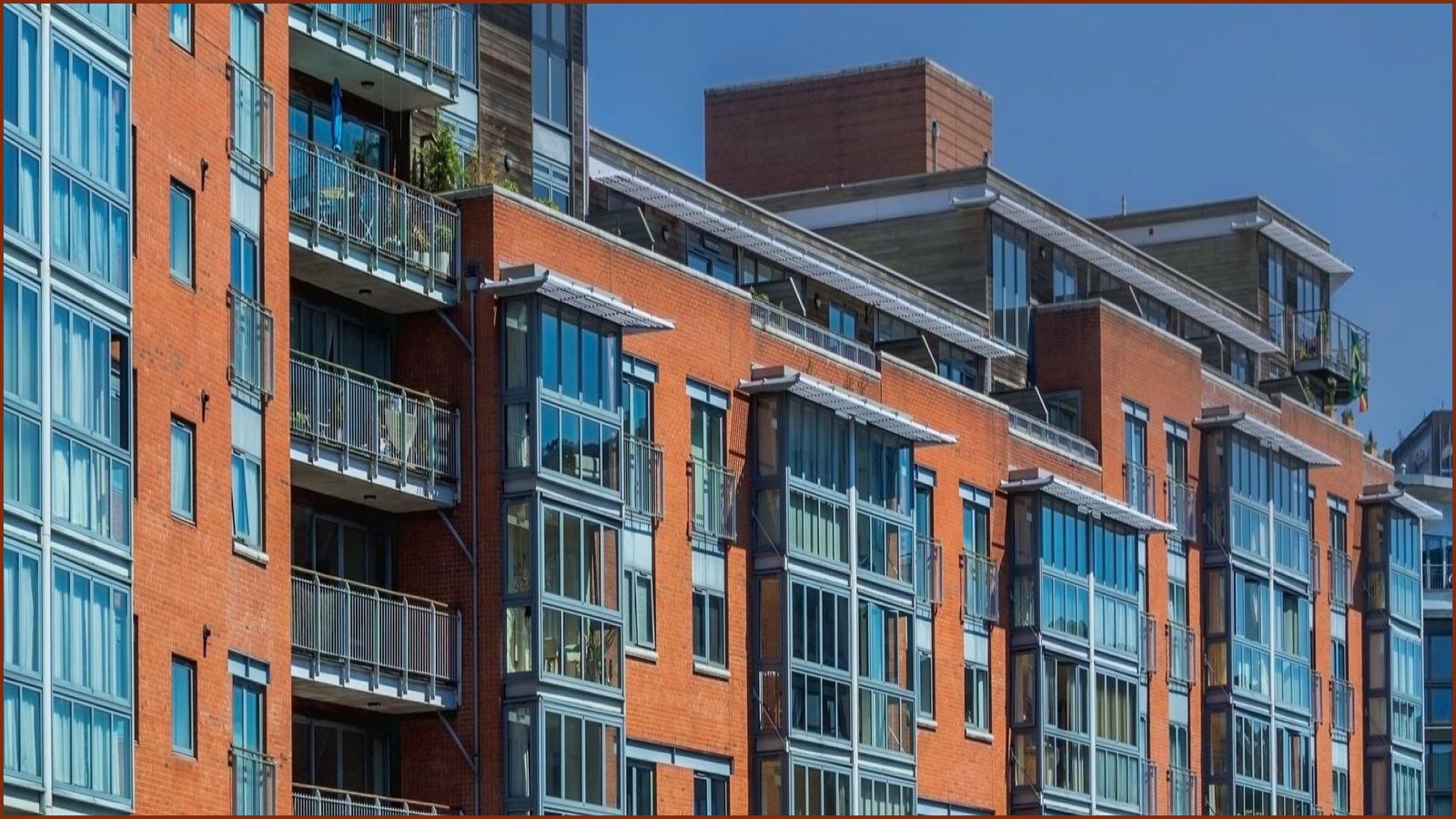
The government is preparing to introduce new legislation aimed at dismantling the traditional leasehold system for flats across England and Wales. Under the proposed Commonhold and Leasehold Reform Bill, the construction of most new leasehold flats will be banned. In their place, the government intends to implement a commonhold system, which allows residents to collectively own and manage their building.
This shift is intended to bring England and Wales more closely in line with international models already standard in countries such as Australia, New Zealand, the US, Canada, and much of continental Europe, where residents hold ownership of their homes and a stake in common areas.
Housing Minister Matthew Pennycook has been vocal in his criticism of the current framework, describing it as an "anachronism in the twenty-first century" that is "blighting lives." The proposed bill serves as a direct follow-up to the Labour Party’s 2024 election manifesto, which pledged to "bring the feudal leasehold system to an end." Currently, the majority of flats in England are sold on a leasehold basis, meaning the buyer has the right to occupy the property for a set period, while the freeholder retains ultimate ownership of both the building and the land.
The legislation includes significant financial protections for current leaseholders, most notably a cap on ground rent—the annual fee paid to freeholders—at £250. This fee is set to be reduced to a "peppercorn" rate, which is effectively nothing, after a period of 40 years. The government also intends to abolish forfeiture, ensuring that individuals cannot lose their homes due to relatively small debts, while simultaneously improving transparency regarding service charges and cracking down on estate charges.
For many residents, these changes are long overdue. Fozia Malik, who lives in a one-bedroom flat in Oldham, is currently facing a ground rent increase from £150 to £300 starting in January, alongside annual service charges exceeding £4,000. Malik, who has dealt with fire safety issues and rising costs, described her experience as a "continuous torture cell" and stated she would "never" buy a leasehold flat again.
While the building's managing agent attributes these high service charges to uncontrollable costs and increased insurance premiums linked to fire safety, the government’s reforms aim to provide "easy and effective escape routes" for those in similar situations.
Despite the government's push, the policy has faced strong opposition. A spokesperson for the Residential Freehold Association, which represents the UK's largest freeholders, argued that the policy is "unjust" and warned that "£18.7bn could be wiped out from investments overnight." Furthermore, while campaigners have welcomed the reforms, there is significant concern regarding the millions of people who already own leasehold homes.
Giles Grover, from the campaign group End Our Cladding Scandal, warned of the risk of creating a "two-tier system" between those buying new homes and existing leaseholders.
He noted that converting existing buildings to commonhold is far more complex than applying the rules to new developments, leading to uncertainty over whether the measures will truly benefit everyone. The government has yet to resolve the specific details regarding how existing leaseholders will transition to commonhold and how freeholders should be compensated.
The legislation follows Labour's 2024 election manifesto to "bring the feudal leasehold system to an end" – with further details expected to be set out later.
He began campaigning on behalf of flat owners following the Grenfell Tower tragedy. He says: "It's so complicated, will the measures that are being introduced actually benefit everyone?"