The diplomatic relationship between Israel and China, which began in secret in 1979, has been defined by what Dr. Eyal Propper describes as a mix of "pragmatism, opportunism, and mutual calculations." Dr. Propper, the former consul general of Israel in Shanghai and author of the 2026 book Tangled Triangle: Israel–China relations Under America’s Shadow, notes that the two nations possess fundamentally different political structures. China’s centralized system has allowed it to pursue national interests with a singular focus, such as securing Israeli military technology while maintaining a supportive stance toward the Palestinian issue and avoiding friction with Arab and Muslim nations. Conversely, Israel’s pluralistic society allows various actors, including entrepreneurs and business leaders, to influence policy in ways that sometimes align with or occasionally undermine broader national strategic goals.
During these formative years, some Israeli entities prioritized short-term financial gains over long-term strategic objectives, particularly regarding advanced technology exports. This behavior has, at times, strained Israel’s relations with the United States. Since 1948, Israel’s position has been deeply integrated with Western democratic culture, bolstered by significant financial support from the U.S. government and the American Jewish community. As the primary benefactor and vital hub for Israel, the United States has forced Israeli leaders to carefully weigh the criteria for developing ties with China against the potential impact on their foundational relationship with Washington—a challenge that remains difficult today.
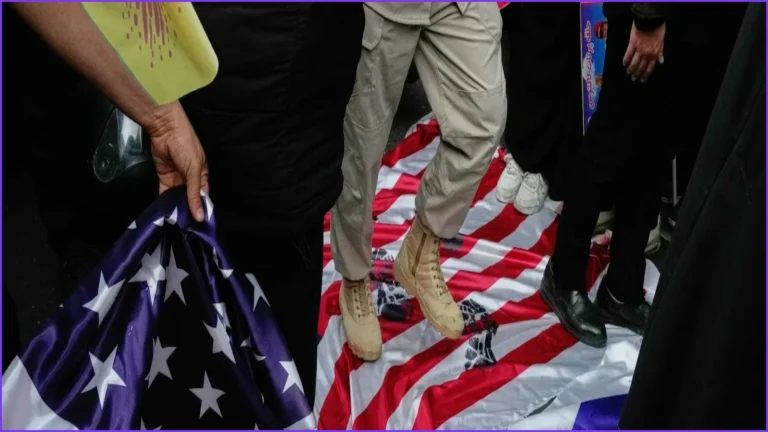
Regarding the current Iran-U.S. war, Dr. Propper explains that China’s policy toward Tehran is driven by its long-term strategic rivalry with the United States, energy security interests, and an ambition to expand its influence in the Middle East. Beijing views Iran as a partner capable of constraining American influence, yet it seeks to avoid unnecessary risk or direct military confrontation with the United States. Consequently, China is more likely to provide diplomatic backing and economic cooperation rather than direct military intervention. For Israel, this support presents a long-term security challenge. Following the October 7, 2023 war, bilateral relations between Israel and China have deteriorated to their lowest point since diplomatic ties were established in 1992. Dr. Propper suggests that Jerusalem should prioritize coordination with Washington while maintaining selective diplomatic engagement with Beijing, emphasizing that unchecked Iranian military recovery threatens regional stability.
The role of Taiwan also tests Israel’s diplomatic balance. On March 1, 1949, the Republic of China offered official recognition to the newly formed Israel, but Israel chose not to respond. Israel was the first Middle Eastern country to recognize the People’s Republic of China, a One China policy that remains in effect today. Despite this, Israel maintains strong economic and technological cooperation with Taiwan. Beijing remains sensitive to technology transfers that could strengthen Taiwan’s military, forcing Israel to navigate these interests without further straining its already weakened relations with China. Ultimately, Dr. Propper notes that a meaningful change in Israel’s policies, shifting toward regional cooperation rather than prolonged warfare, could create opportunities to restore constructive cooperation with China.