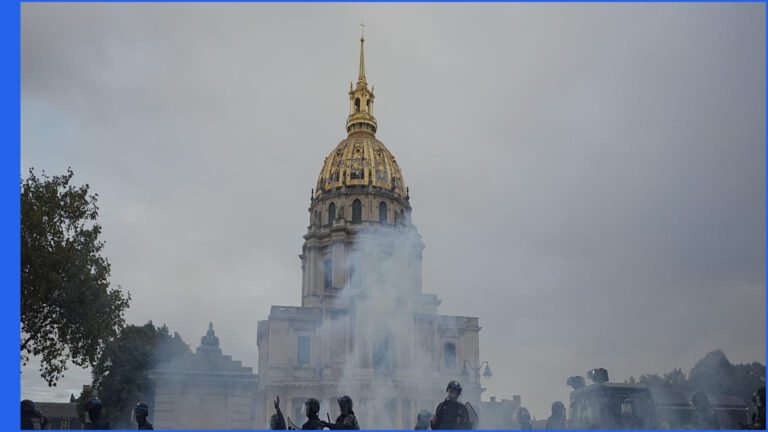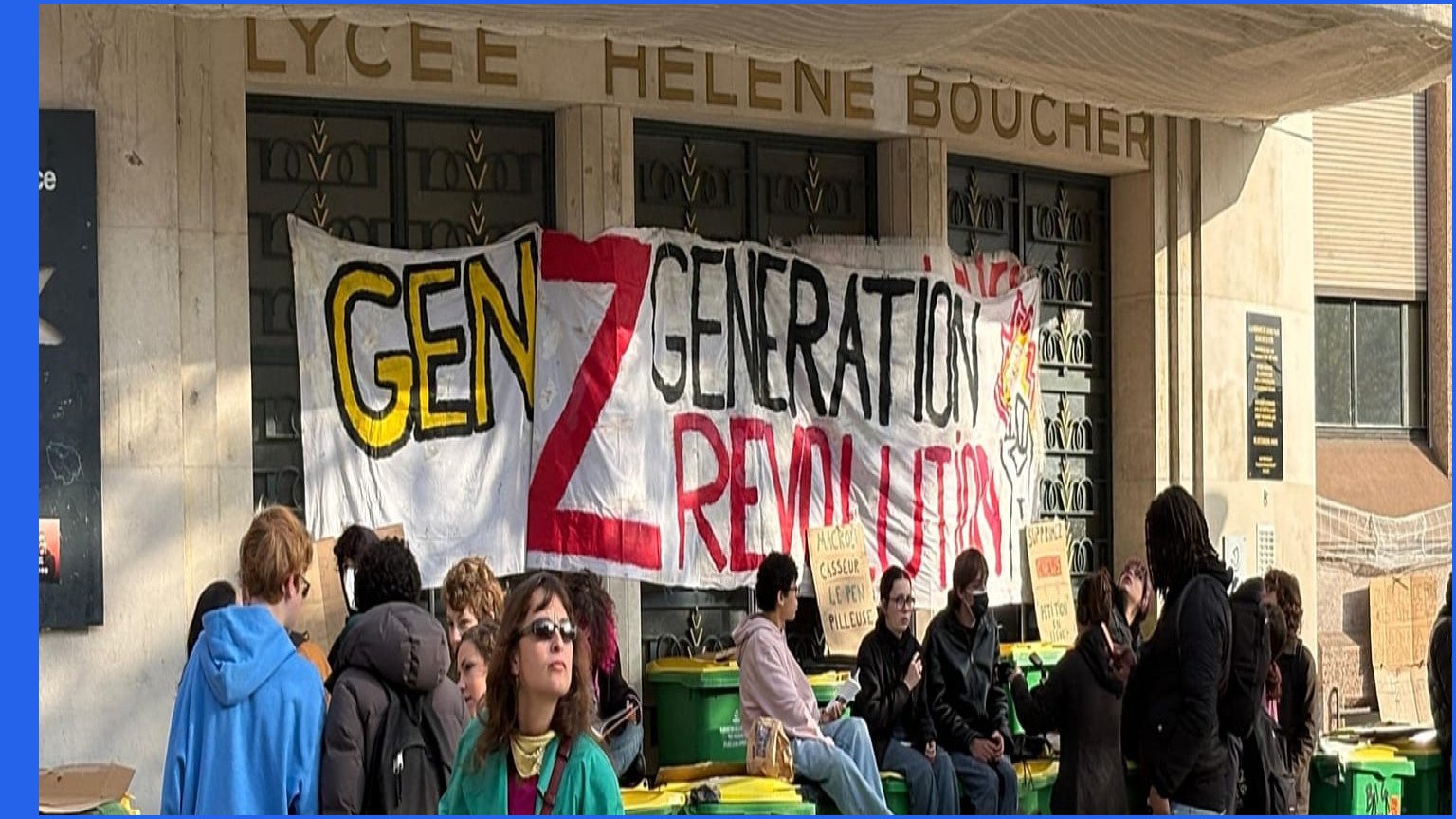
Students across France returned from their autumn holidays on Monday to resume a protest movement, blockading several high schools in a bid to maintain pressure on the government. Despite a series of concessions announced during the break, many students remain dissatisfied with the current reform proposals.
According to data provided by the education ministry, approximately 1% of France’s 3,700 high schools, which cater to students aged 15 to 18, experienced blockades on Monday morning. This latest wave of unrest follows a significant weekend of demonstrations, where hundreds of thousands of people took to the streets across the country for the third consecutive weekend. These rallies, which include student participants, were initially sparked in September by concerns over learning conditions and inequality, but have since expanded to include broader cost-of-living grievances.
In response to the ongoing movement, the government has introduced several measures, including a restructuring of the university admissions process, the hiring of additional teachers, and the implementation of caps on the number of pupils per class. However, these efforts have not quelled the dissent. In the southern city of Marseille, students demonstrated their rejection of the proposals by stacking rubbish bins in front of a school entrance. A 16-year-old student named Meriem, who was perched on the dumpsters, told the AFP news agency that the movement has resumed because the government's answers are clearly not enough.
Education Minister Édouard Geffray has urged students to return to their classrooms, warning that continued absences could lead to failure in upcoming exams. He noted that several hundred thousand students have already missed four or five weeks of instruction, which could impact their performance in the baccalaureate at the end of the year. President Emmanuel Macron has also called for a return to calm, arguing that the voices of young people have been heard. However, the government faces limited options for further appeasement, as France—the European Union's second-largest economy—is currently on the brink of recession and under significant pressure to reduce national debt.