The statement signals a potential delay in fulfilling Labour's 2024 manifesto promise to remove "discriminatory age bands" and eliminate the pay gap between adult workers and 18-to-20-year-olds. Under last week's Budget, younger workers will receive the same percentage increase as older staff, leaving the wage differential in place. In 2026, the minimum pay for 18-to-20-year-olds will rise to £11.27 an hour, while the minimum rate for workers over 20 will reach £13.21 an hour.
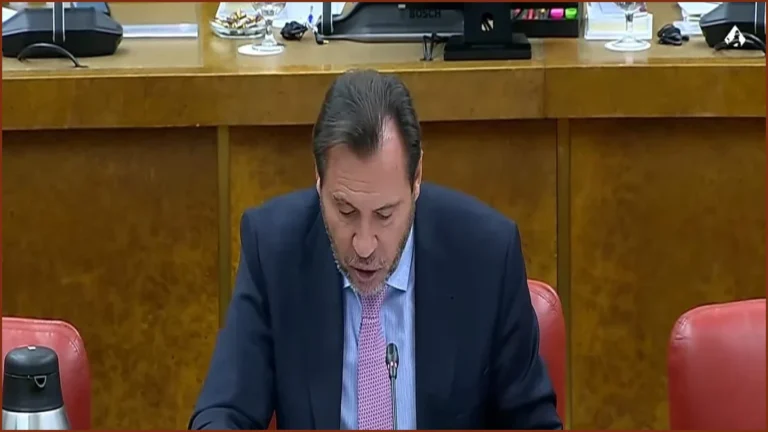
Healey asserted that the government remains committed to equalizing rates eventually, but suggested the timeline might be adjusted to balance pay with employment opportunities for young people. "There is no question about whether or if, it's a question of when – it's a question of how fast," he said, adding, "I want to make sure we can look hard at those trade-offs that are there between jobs and wages."
Emphasizing the wider economic context, the Chancellor expressed a desire to work alongside employers and labor representatives. "I want to take business, I want to take trade unions with me, and with the government, because together we have to get into what at the moment is a moral shame on this nation. A million youngsters – written off without any prospect of being helped into work and making contributions to this country for the future," Healey said.
Any decision to postpone equalizing the minimum wage is likely to provoke criticism from trade unions and figures on the left of the Labour Party. At the same time, Healey signaled a willingness to enforce substantial reductions in public expenditure to ensure national debt begins to fall. Official Budget documentation details real-terms funding decreases for several government departments over the coming years, though the independent Institute for Fiscal Studies (IFS) questioned this week whether ministers would follow through on those reductions.
Defending the government's approach to departmental budgets, Healey stated, "We've already demonstrated we are prepared to take hard decisions about the priorities in government." Pressed on whether spending cuts could exceed 2% annually for certain departments, he said, "We will carry that through to the 10-year plan and the spending review next year," noting that work was set out in the Budget to prepare for those spending review decisions.
"We'll take one step at a time," he said, suggesting that Labour might abandon its plan to close the gap before the next election.