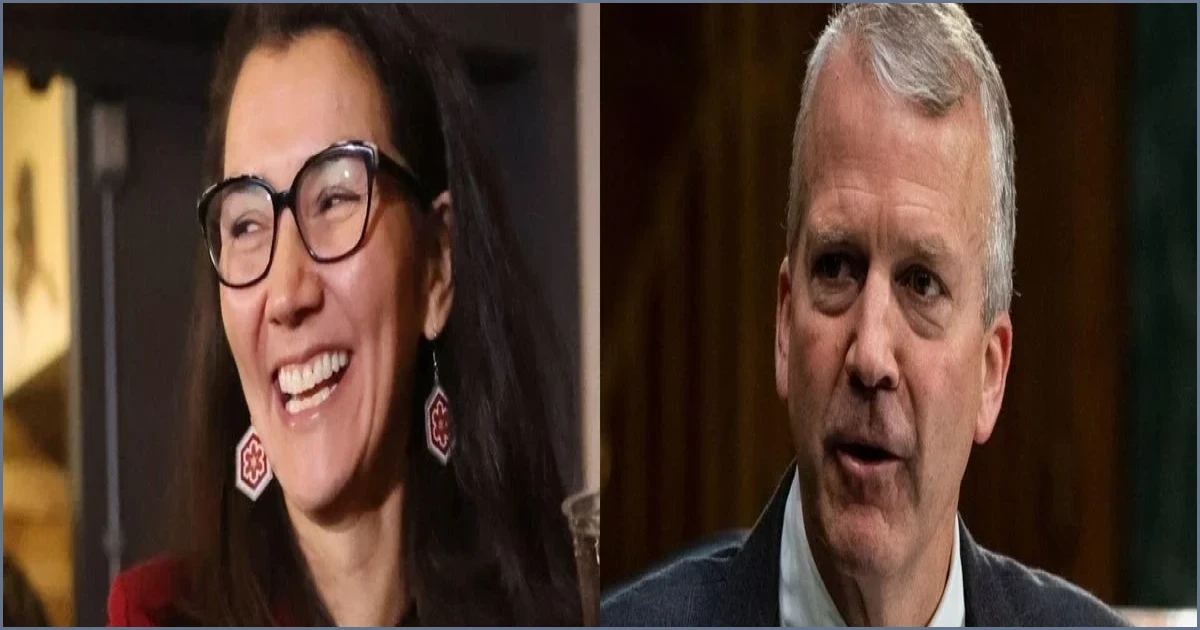
Federal investigators have begun issuing a new wave of subpoenas as part of an expanding criminal investigation into Alaska's Senate race, focusing on allegations that Democratic officials sought to recruit a candidate who shares the same name as Republican incumbent Sen. Dan Sullivan. The grand jury demands target several Democratic figures believed to be connected to efforts to place Daniel J. Sullivan on the state ballot. At this stage, federal authorities have not charged anyone involved in the election with a crime.
Alongside the criminal inquiry, the Justice Department has updated its civil lawsuit aimed at blocking the certification of Alaska's election results if the incumbent senator loses due to alleged voter confusion. The amended complaint incorporates details from a New York Times investigation into efforts linked to Democrat Mary Peltola's campaign to recruit third-party candidates capable of siphoning votes from Sullivan. In its updated court filing, the government describes the alleged recruitment scheme as a "conspiracy to undermine the integrity of the electoral process." Both Peltola's campaign and the Democratic Senatorial Campaign Committee have firmly denied any involvement in placing Daniel J. Sullivan on the ballot, while Daniel S. Sullivan has previously stated that his interest in running for office was genuine.
During a media briefing on Thursday, a Justice Department official revealed a "significant increase in activity" in the criminal probe over the preceding 24 hours, following the publication of the Times report on Wednesday. The official explained that internal emails and text messages highlighted in the news reporting could substantially broaden the government's investigative capabilities. Because such private communications are typically difficult to obtain without search warrants or voluntary disclosure, the official indicated prosecutors are considering several procedural steps, including data preservation requests to technology firms, search warrants for electronic messages, and grand jury subpoenas for records and witness testimony.
Outlining the legal framework governing the criminal investigation, the department official identified two federal civil rights statutes as potential avenues for prosecution: 18 U.S.C. Section 241 and 18 U.S.C. Section 242. Section 241 outlaws conspiracies aimed at interfering with federally protected rights, including the right to vote, whereas Section 242 addresses the willful deprivation of rights under color of law. Prosecutors are examining whether individuals participated in a coordinated effort to deceive voters when selecting a candidate on their ballots. The official drew a comparison to the federal prosecution of Douglass Mackey, who was convicted of conspiracy for distributing deceptive online messages during the 2016 election that instructed Hillary Clinton supporters to vote via text message—a conviction that was subsequently overturned by a federal appeals court in 2025.
Despite the aggressive investigative steps, the Justice Department acknowledged that it has no confirmed evidence of any Alaska voter mistakenly casting a ballot for the wrong candidate. When asked whether voters had reported confusion or sought to correct their ballots, the official stated, "I think I've not heard of that, but it's hard to tell exactly." In a parallel move, Republican Gov. Mike Dunleavy launched a state-level investigation this week, directing the Alaska Department of Public Safety to inspect whether the candidate recruitment activities violated state laws and whether civil or criminal proceedings are warranted.
The intensifying criminal inquiry moves alongside the civil action initiated by the Trump administration last week to halt election certification under specific conditions if the Republican incumbent loses. The civil lawsuit stems from concerns that ballots intended for Sen. Sullivan might instead be recorded for Daniel J. Sullivan, a retired teacher whose eligibility was initially challenged by state election authorities before being upheld by the Alaska Supreme Court. Initially claiming a violation of the National Voter Registration Act, the lawsuit was expanded on Thursday to add a second claim under the U.S. Constitution's Supremacy Clause, asserting judicial intervention is required to prevent a conspiracy and enforce federal law. The amended filing notes: "Although what the New York Times reports is not always true, its reporting here aligns with what the United States has been alleging on information and belief. It also aligns with common sense."
Alaska state officials have pushed back against the federal lawsuit, requesting a federal judge to dismiss the case on the grounds that election administration remains an exclusive state responsibility. Addressing the civil litigation during Thursday's briefing, Justice Department officials framed the lawsuit primarily as a protective measure to ensure the government retains the standing to challenge election outcomes if needed. One official noted, "I don't see this as much more than a preservation suit," explaining that proving individual voter confusion becomes exponentially more difficult once ballots are unsealed and separated from their identification envelopes. The official added that federal attorneys intend to pursue pre-trial discovery to determine what Mary Peltola's campaign knew about the alleged recruitment effort and precisely when campaign personnel became aware of it.
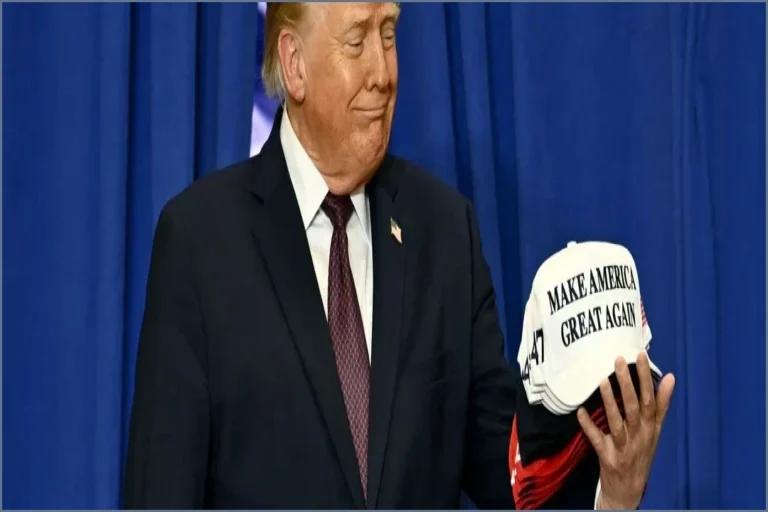
The legal actions follow vocal criticism from President Donald Trump, who has publicly denounced the ballot setup in Alaska and demanded that both Peltola and Daniel J. Sullivan be removed from the candidate list. Responding to inquiries about the federal court challenge last week, Trump took direct credit for the legal intervention, remarking: "Well, I'm the one that said, 'Do it.'"